
Serverless Webapp with Security Deployment Steps & Images
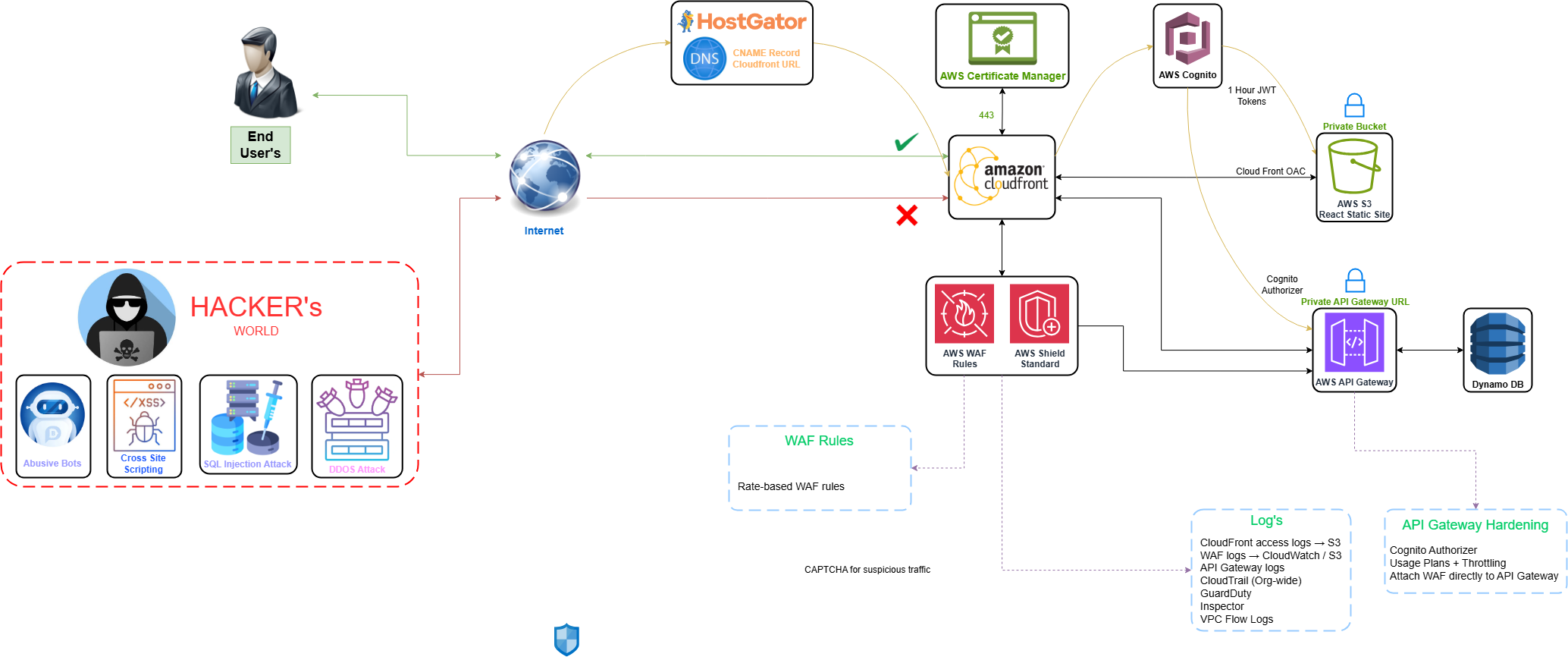
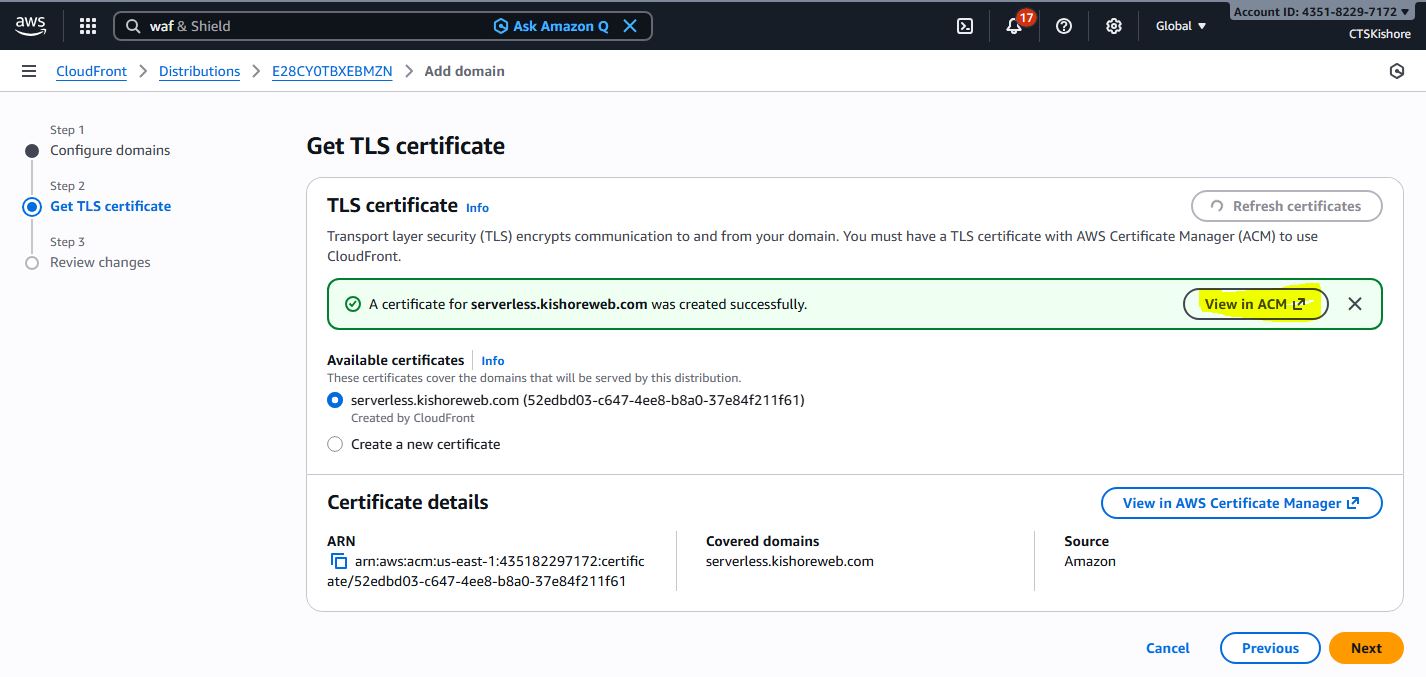
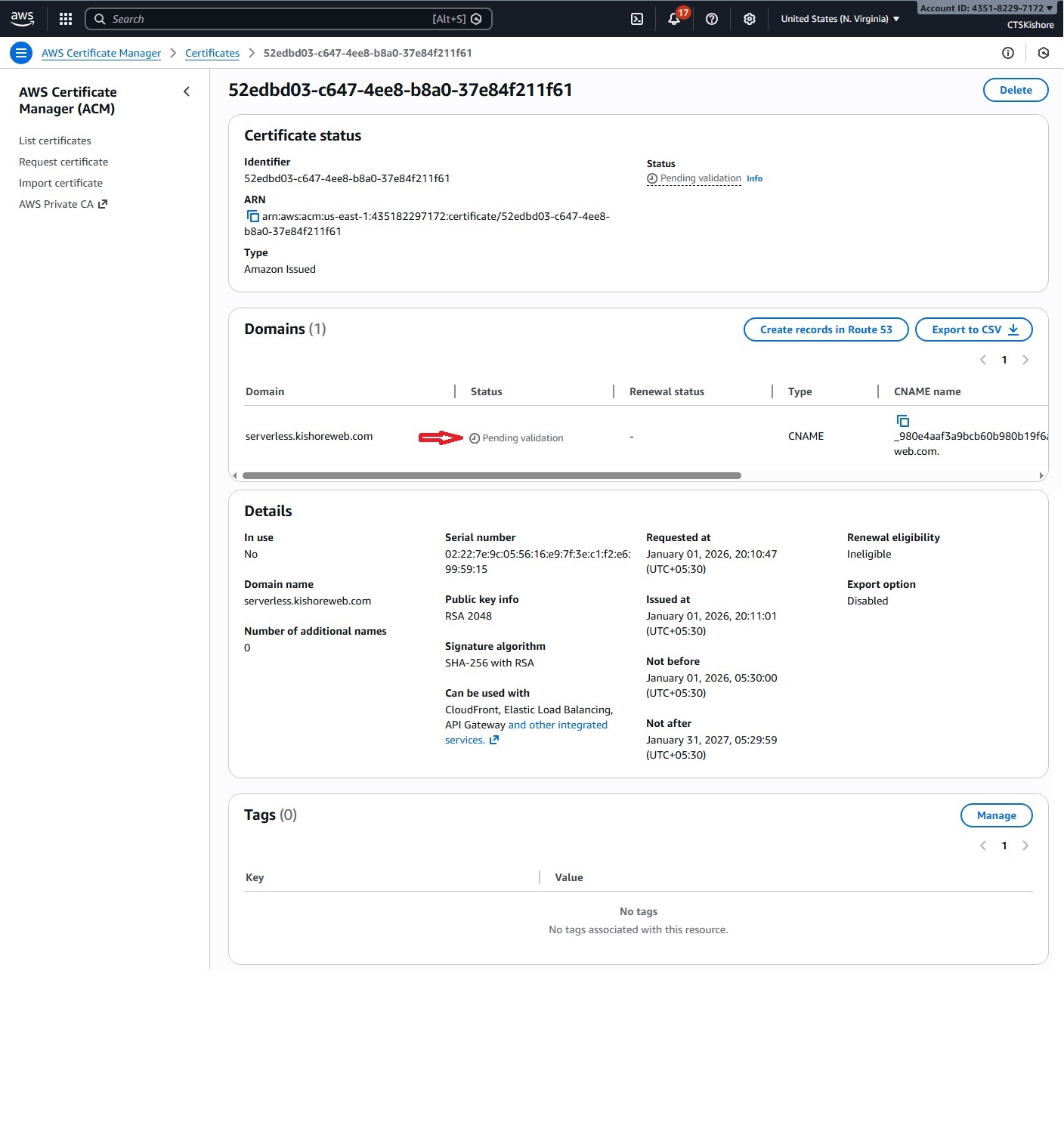
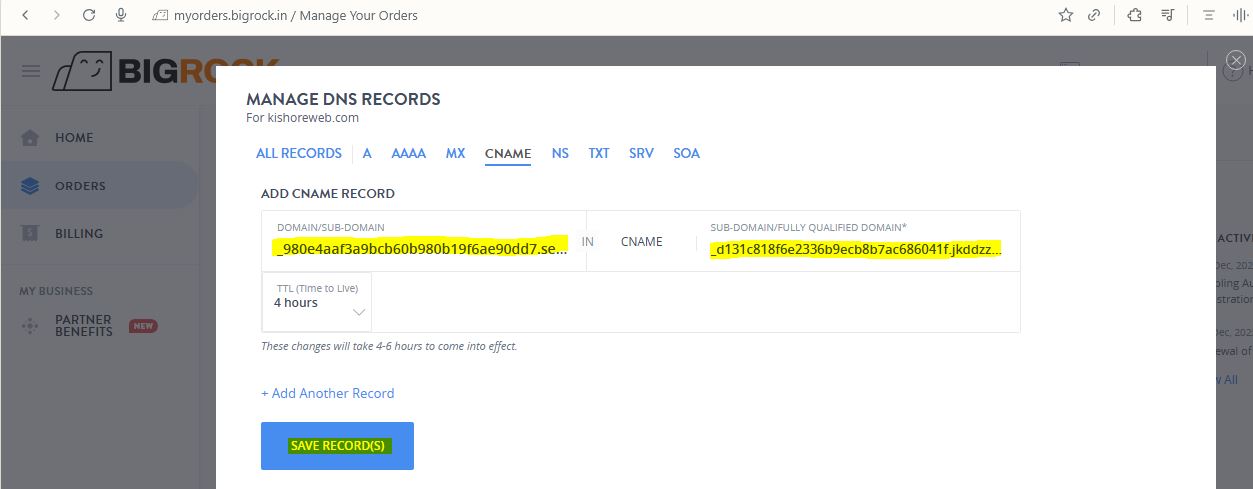
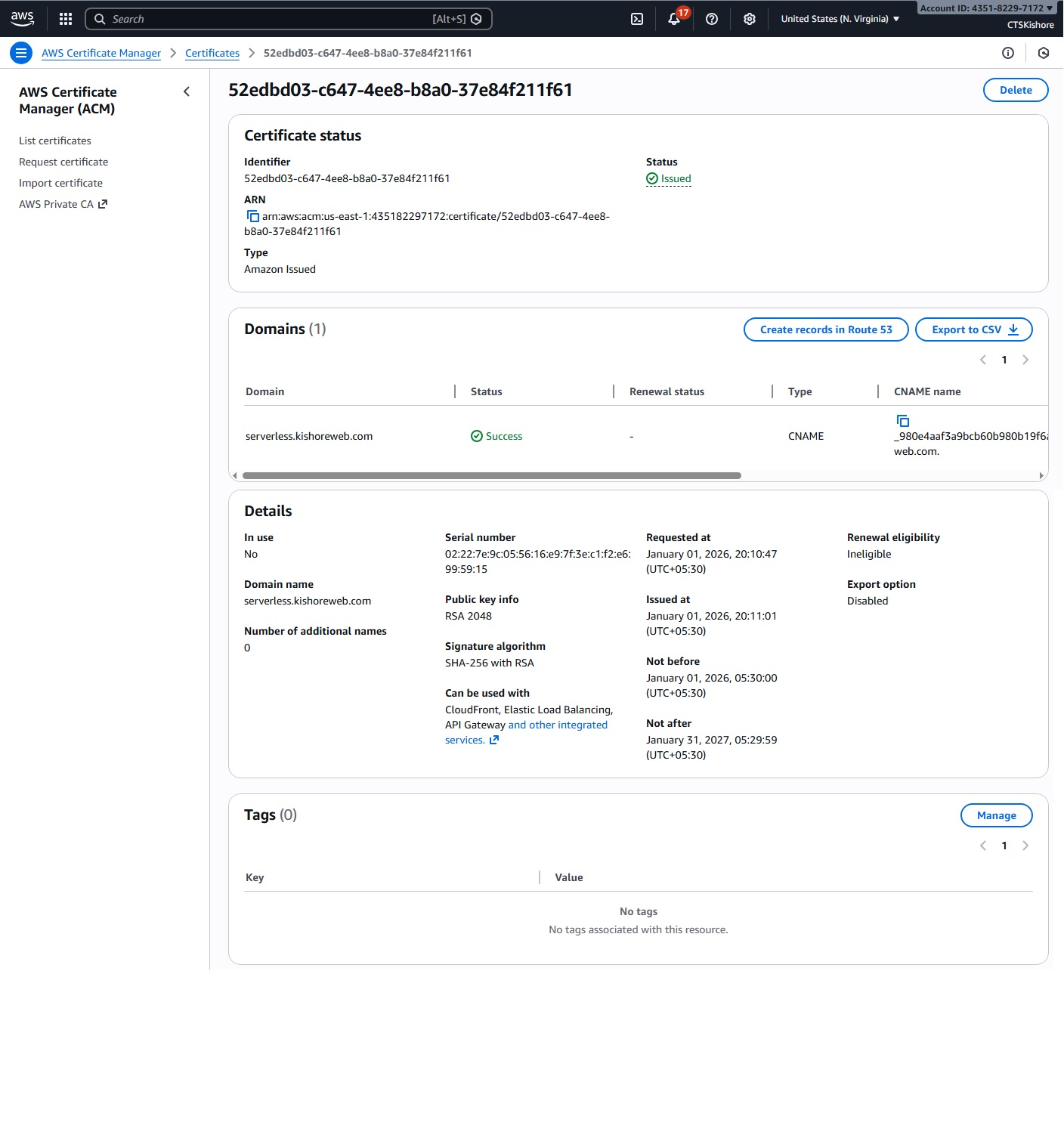
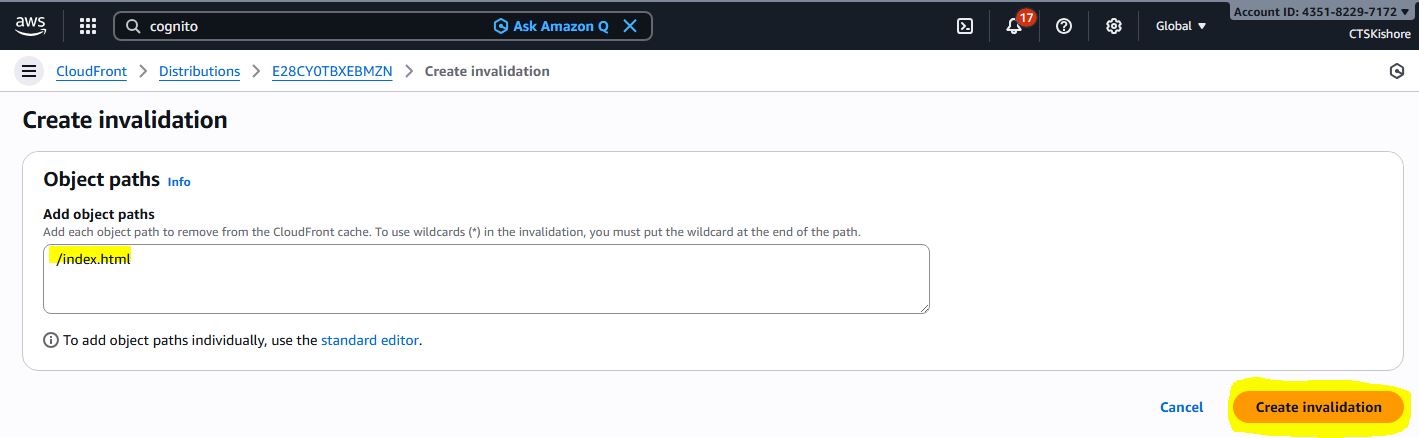
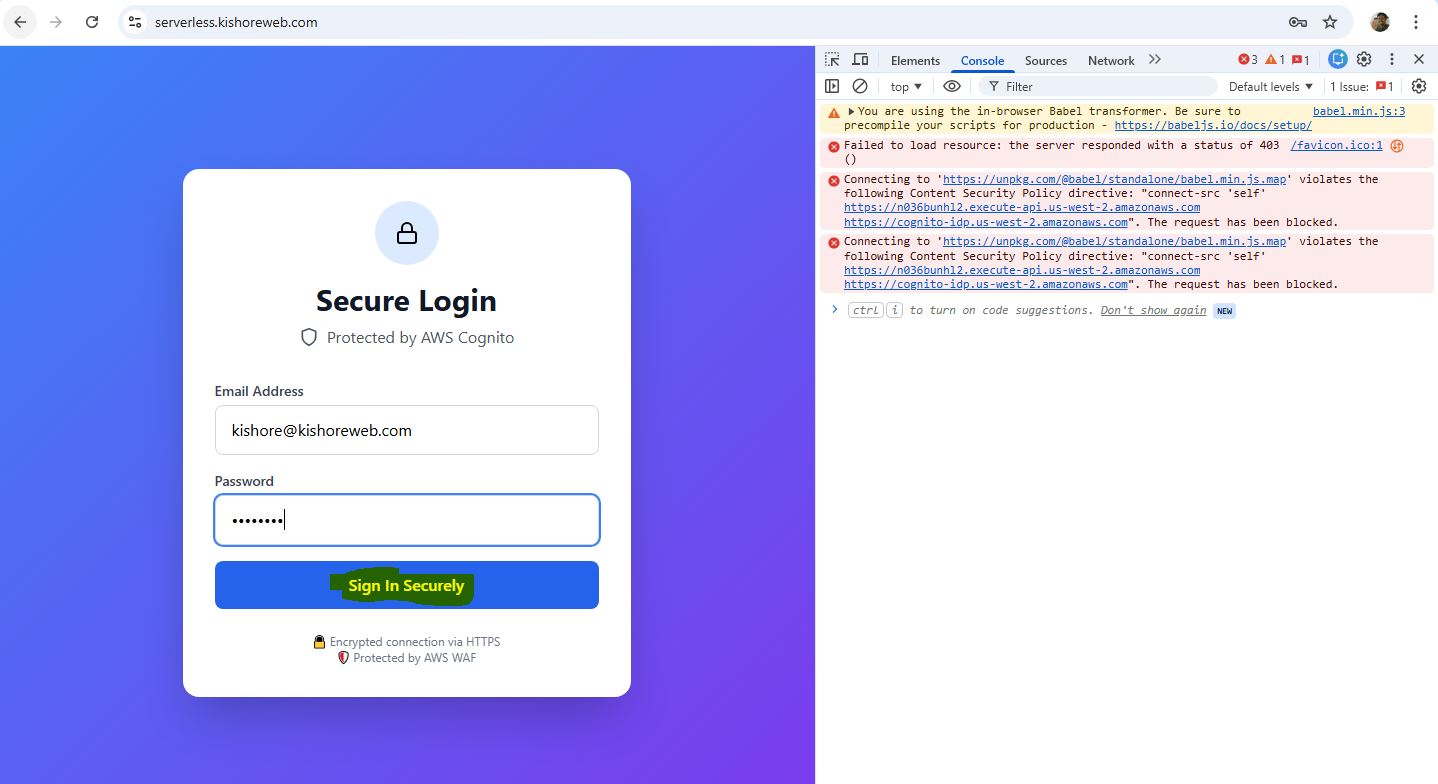
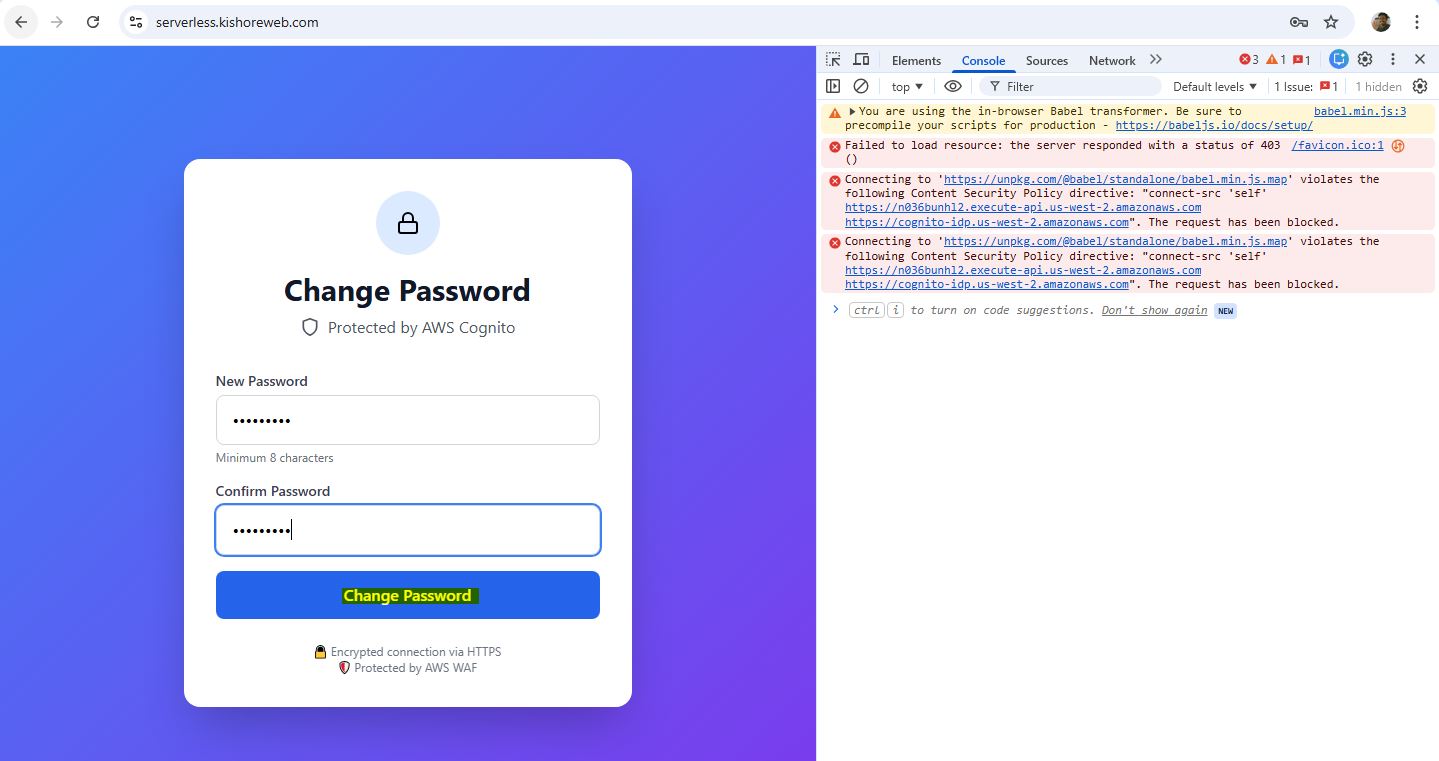
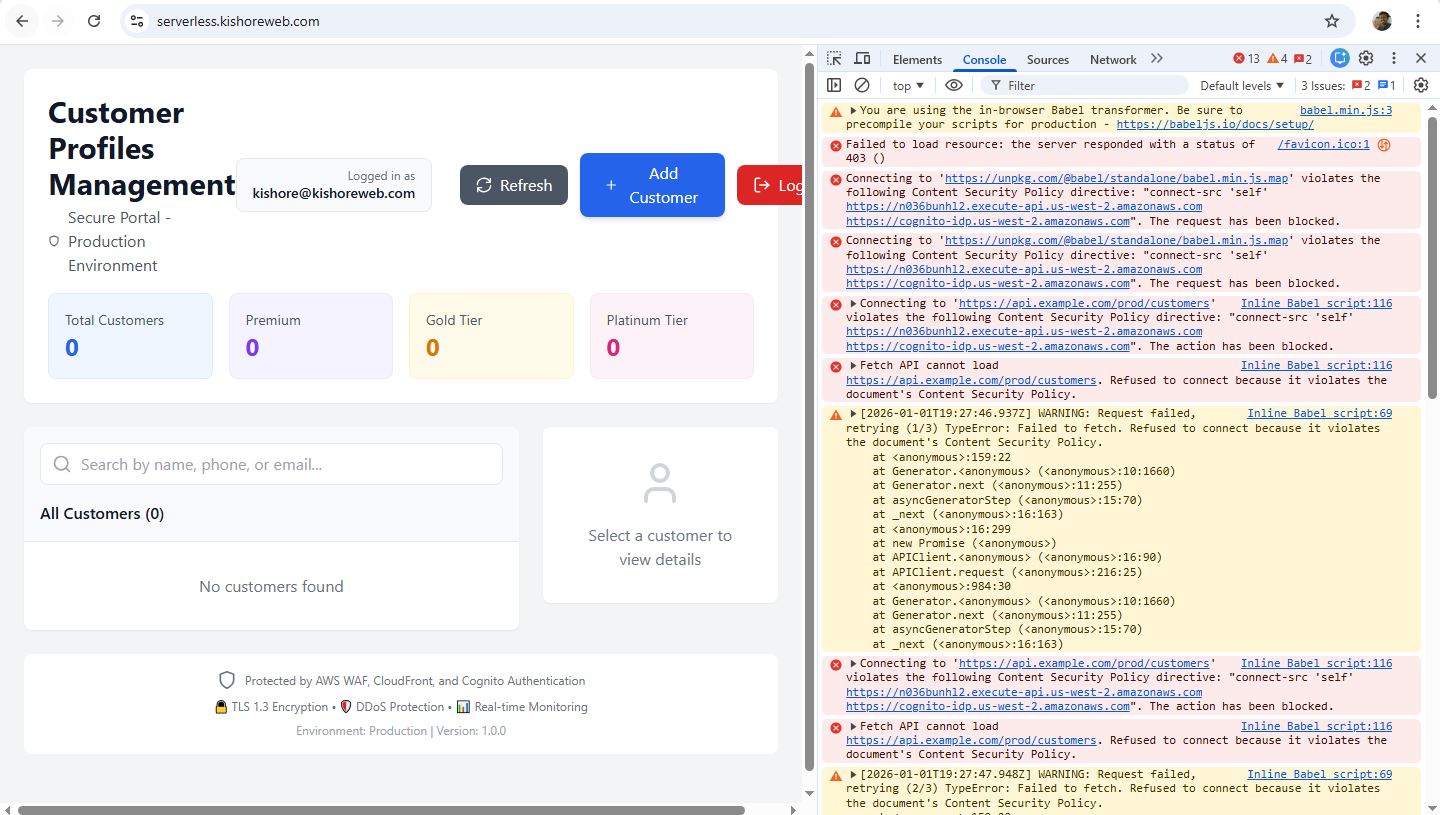
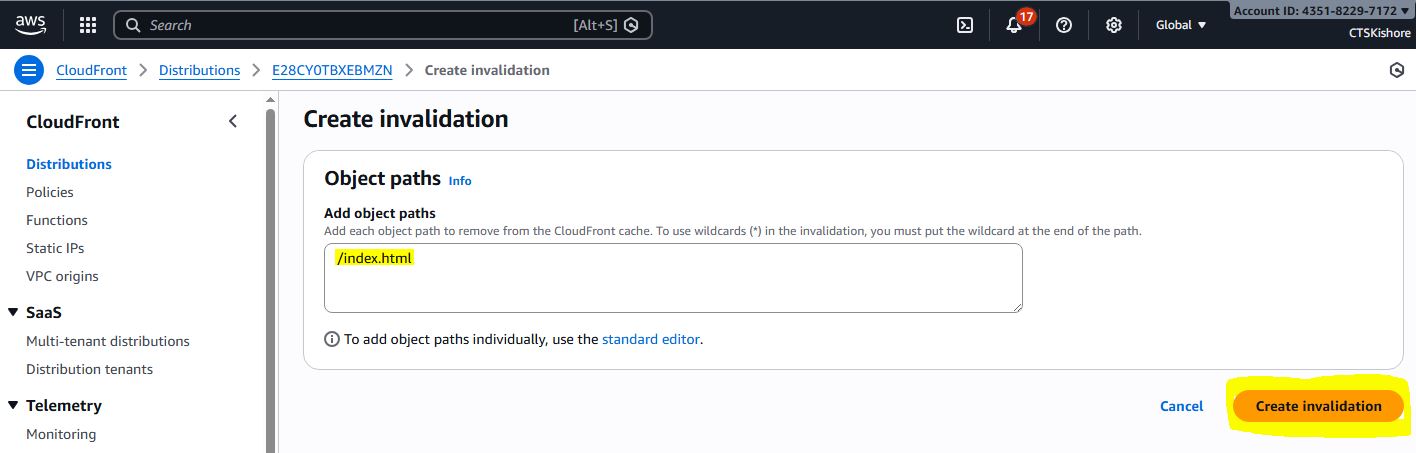
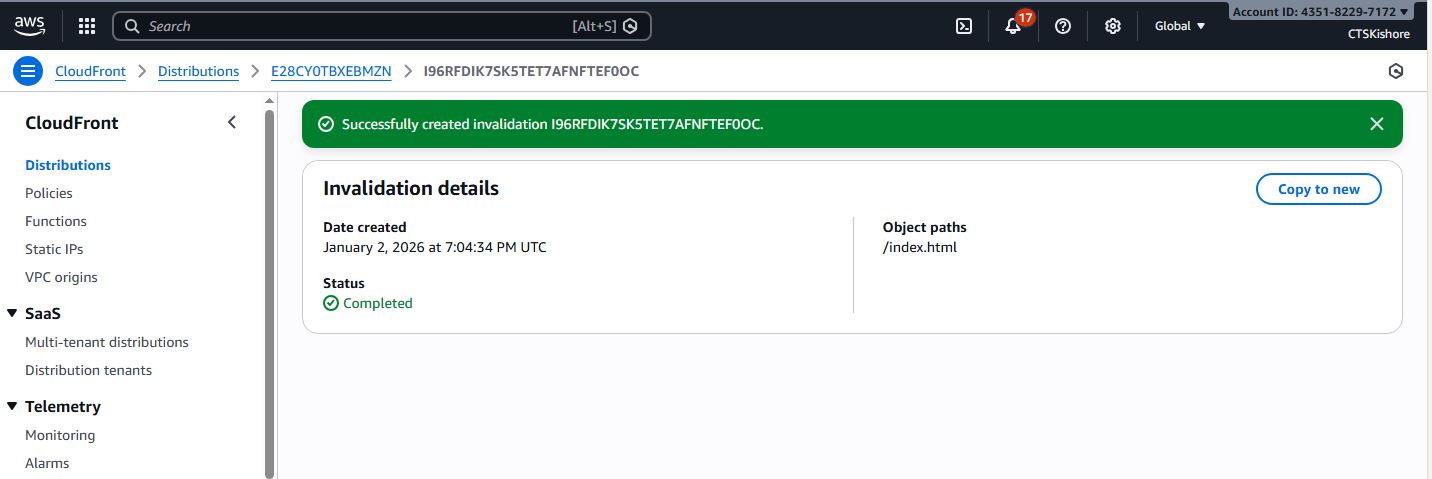
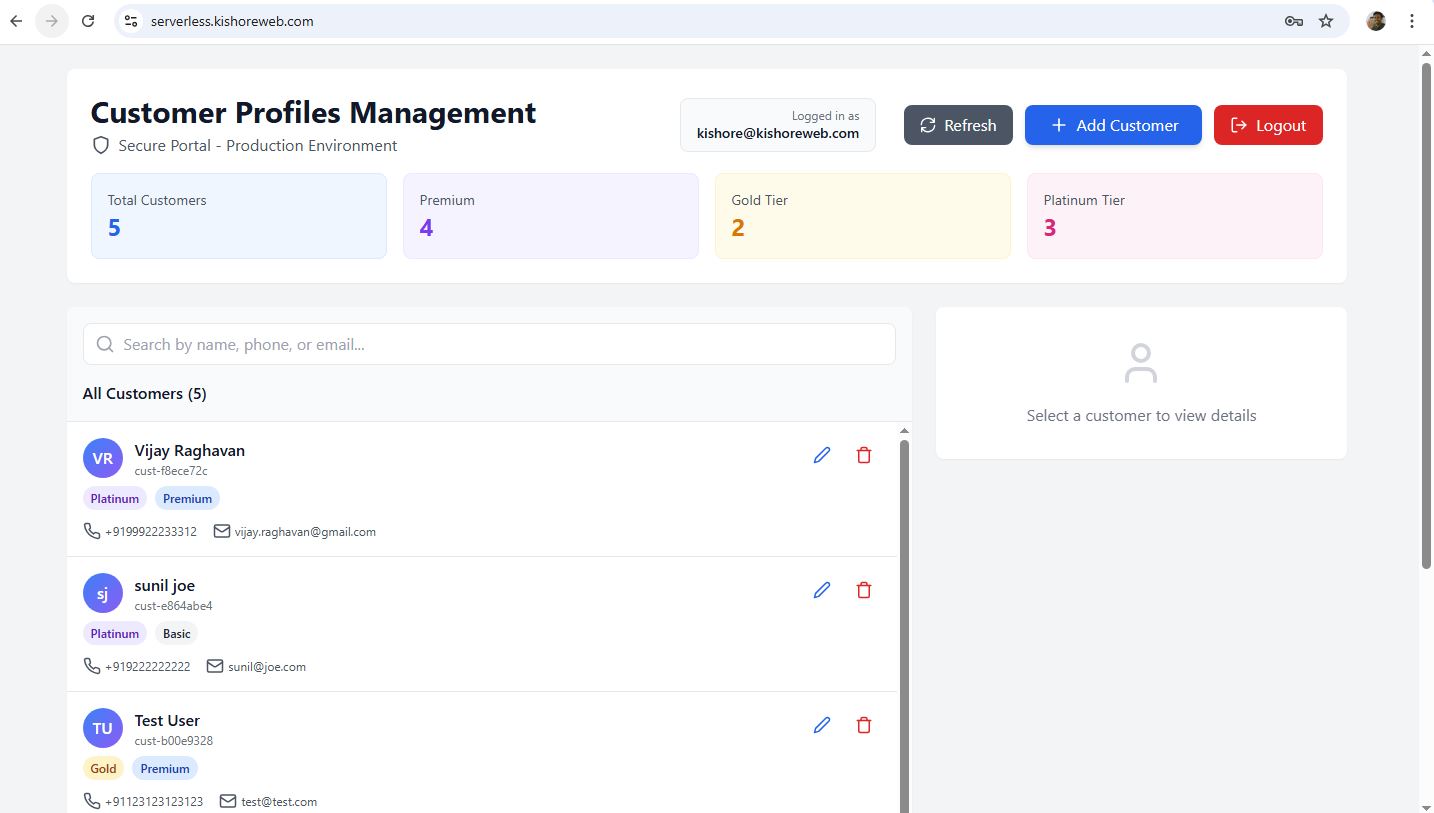
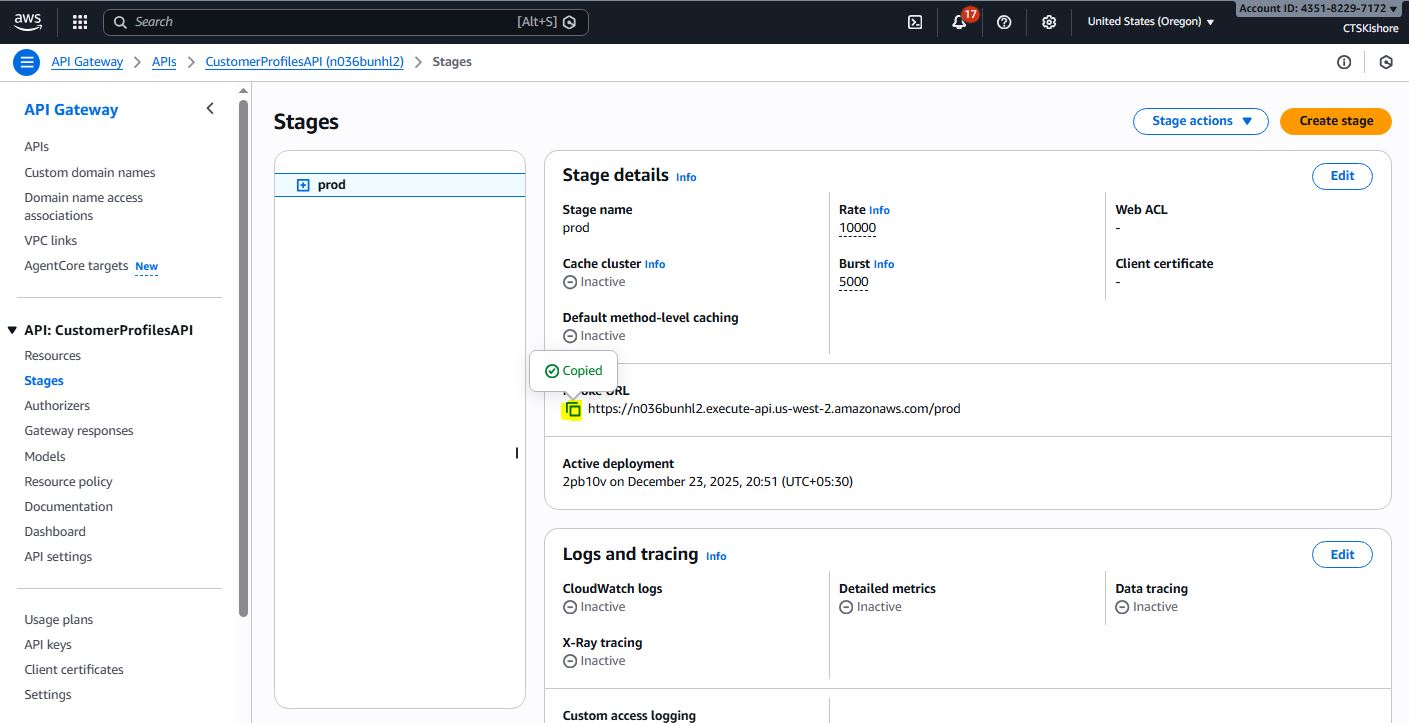
Deployment Images
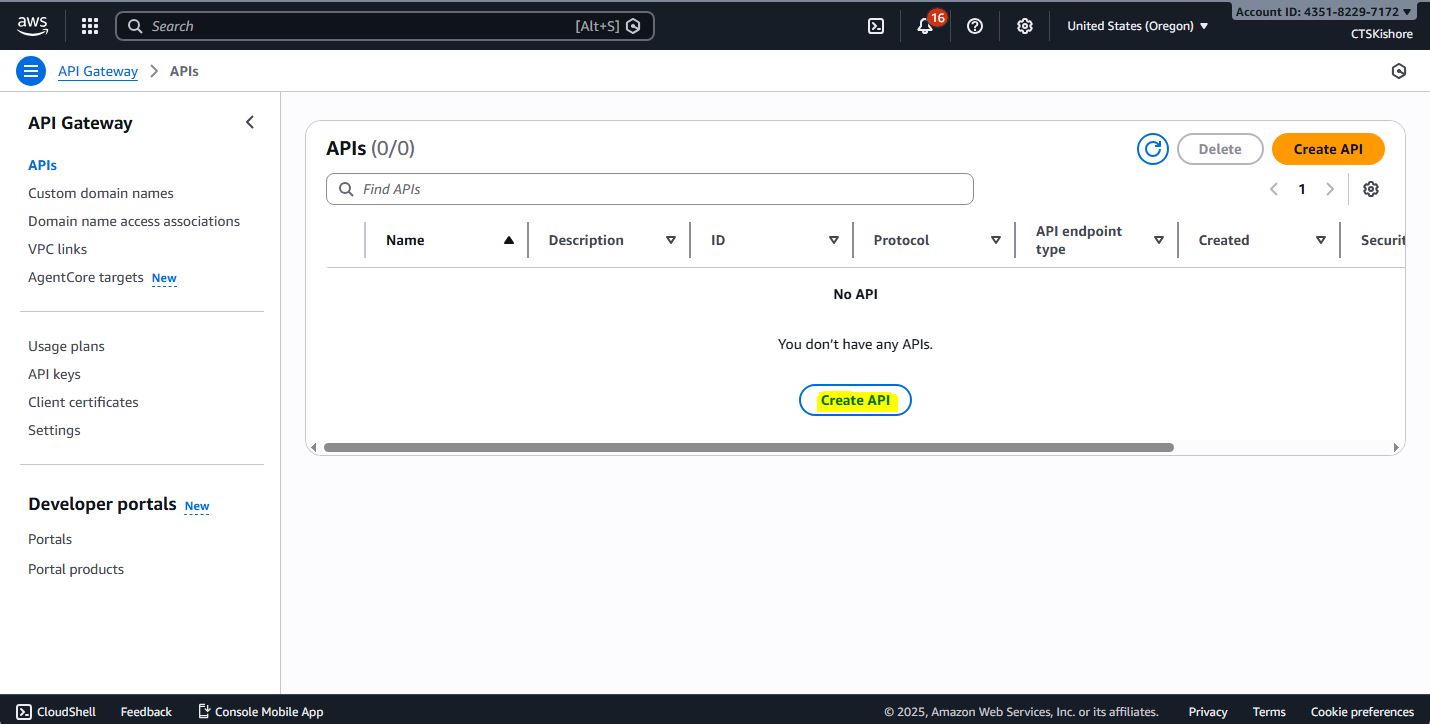
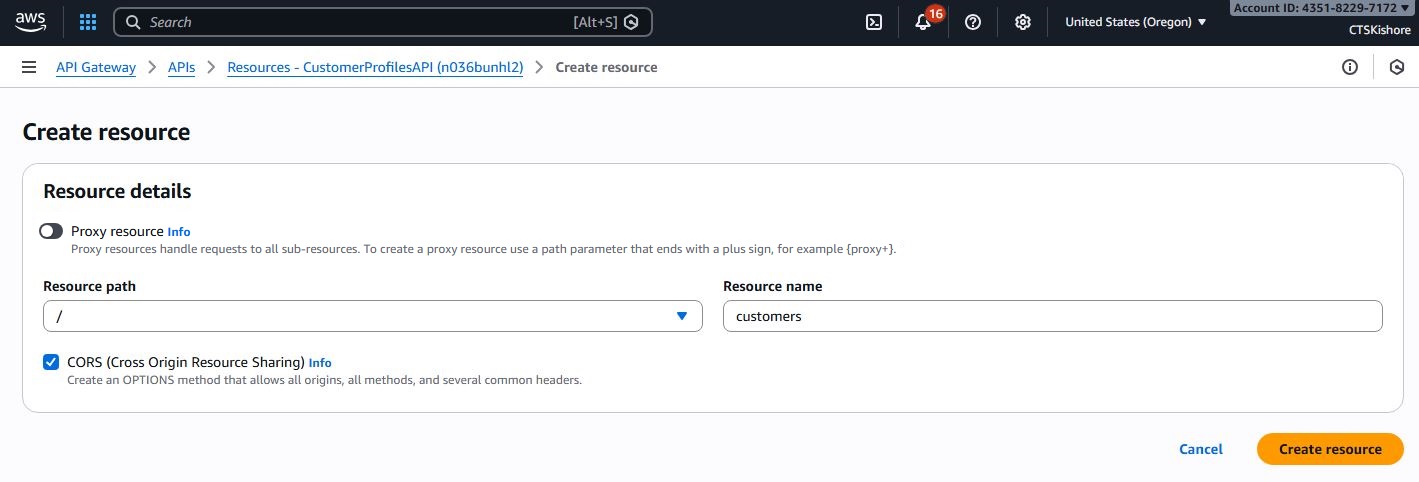
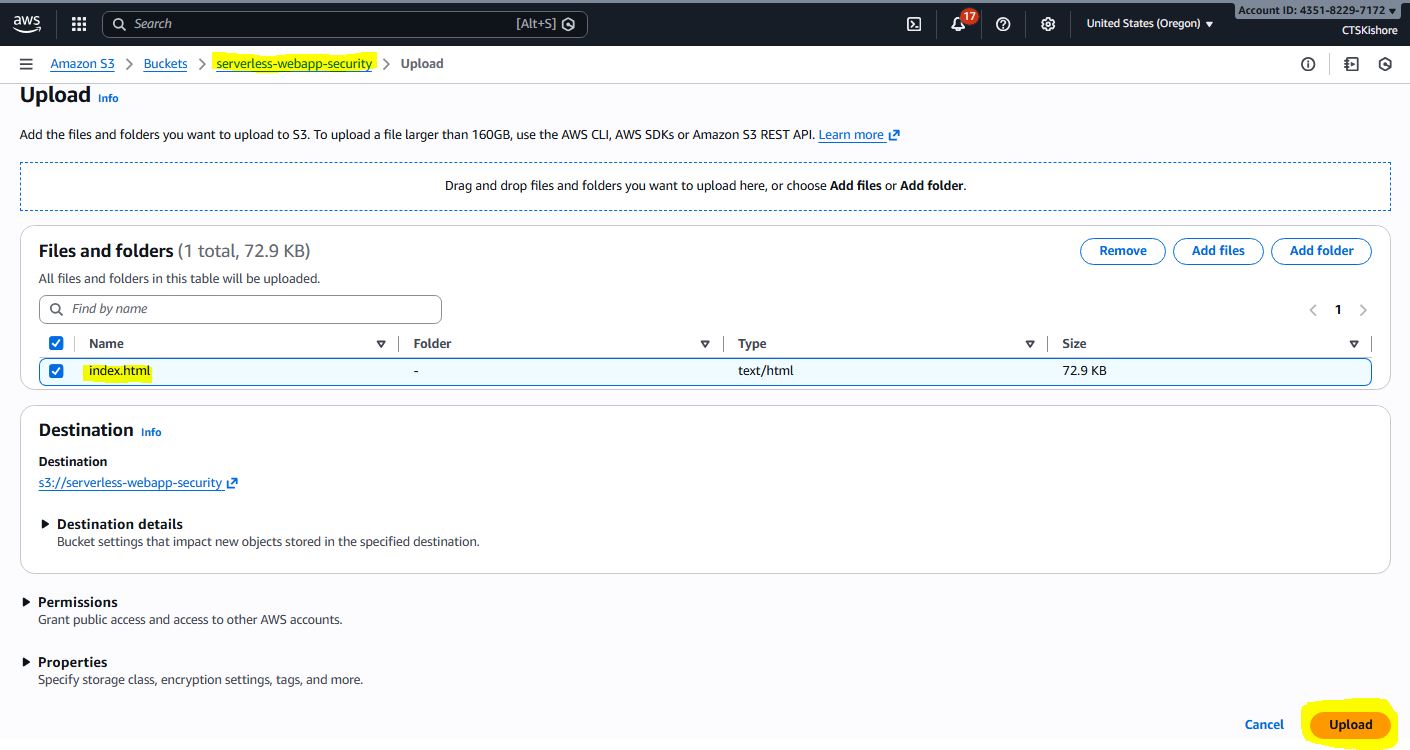
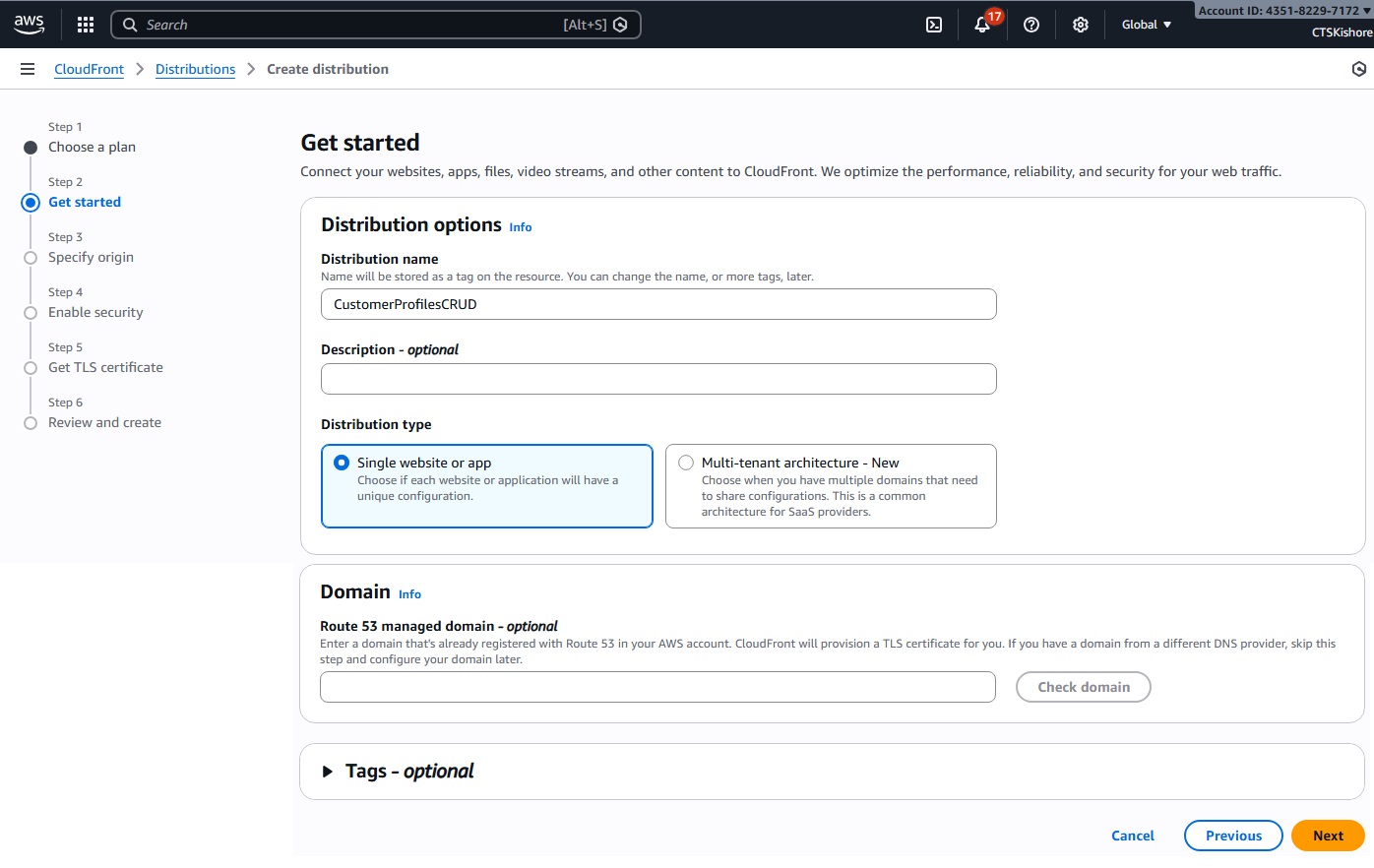
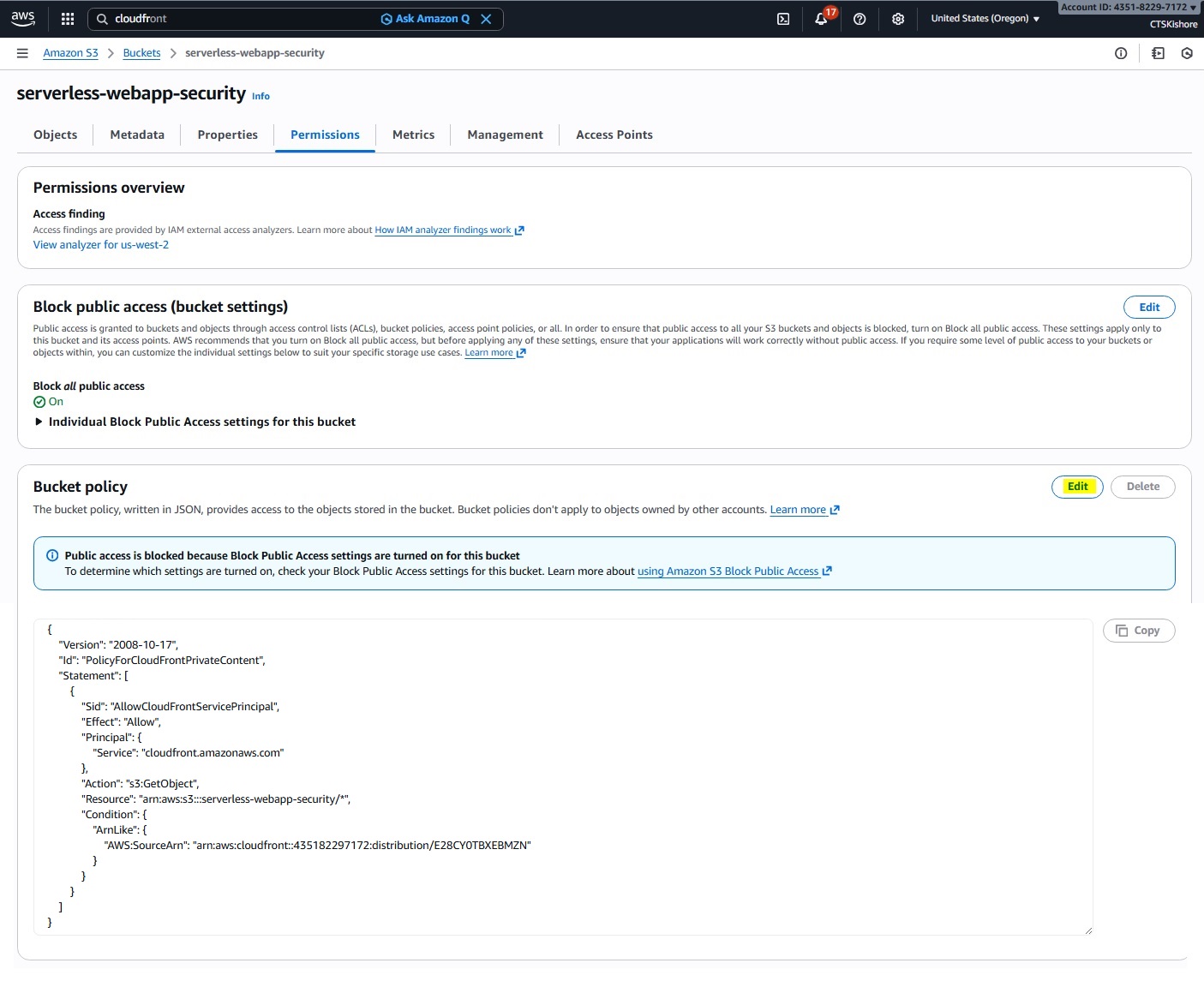
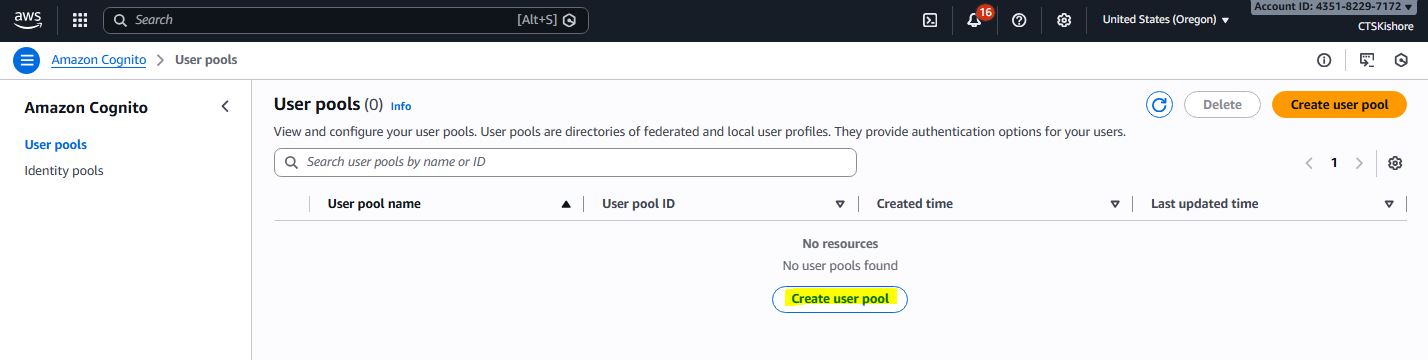
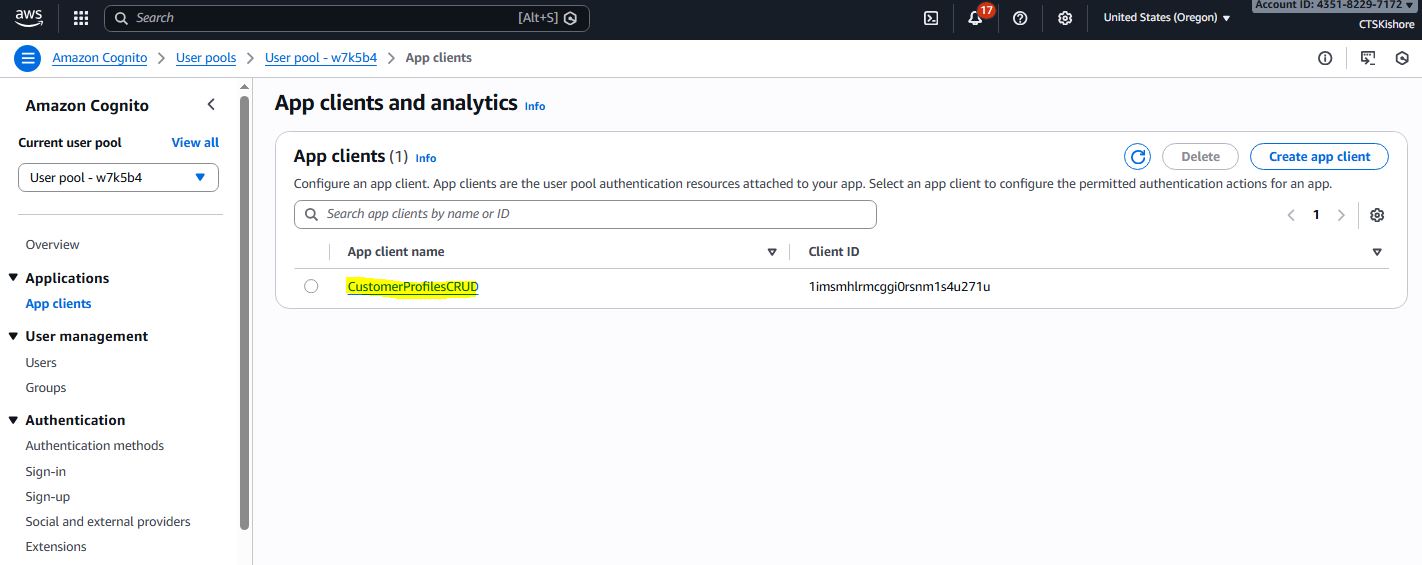
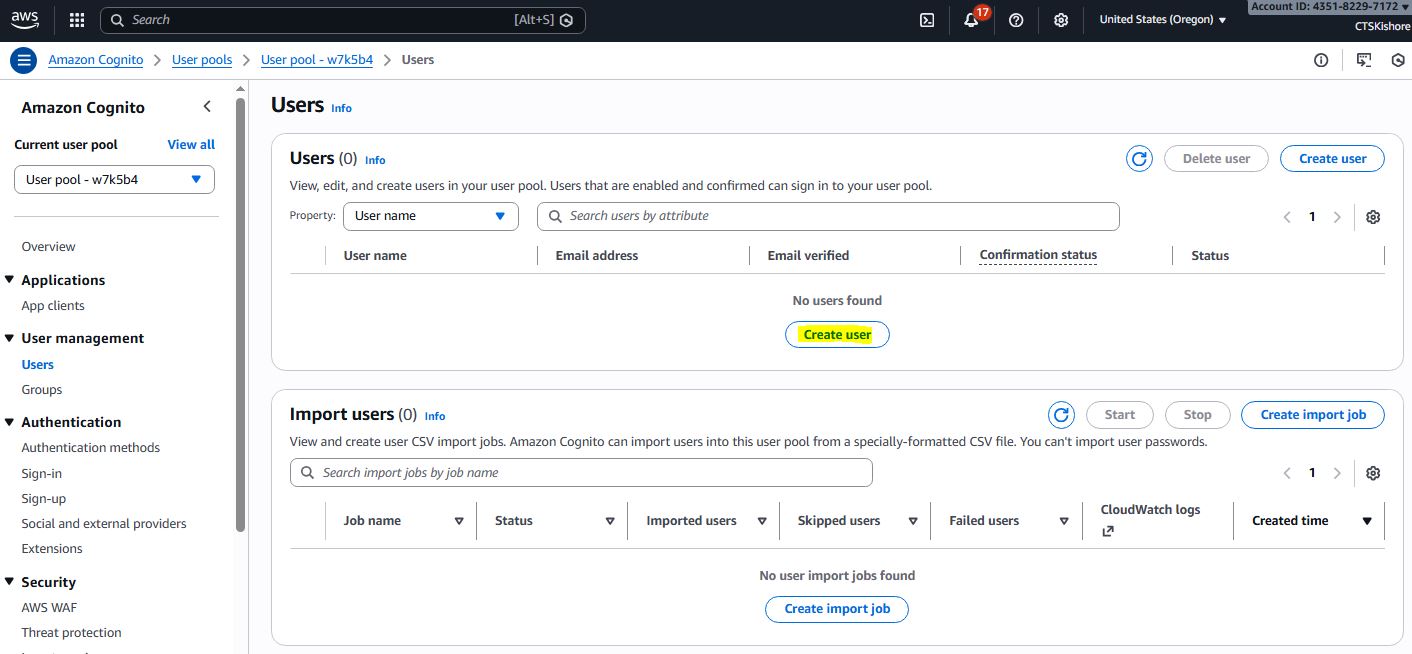
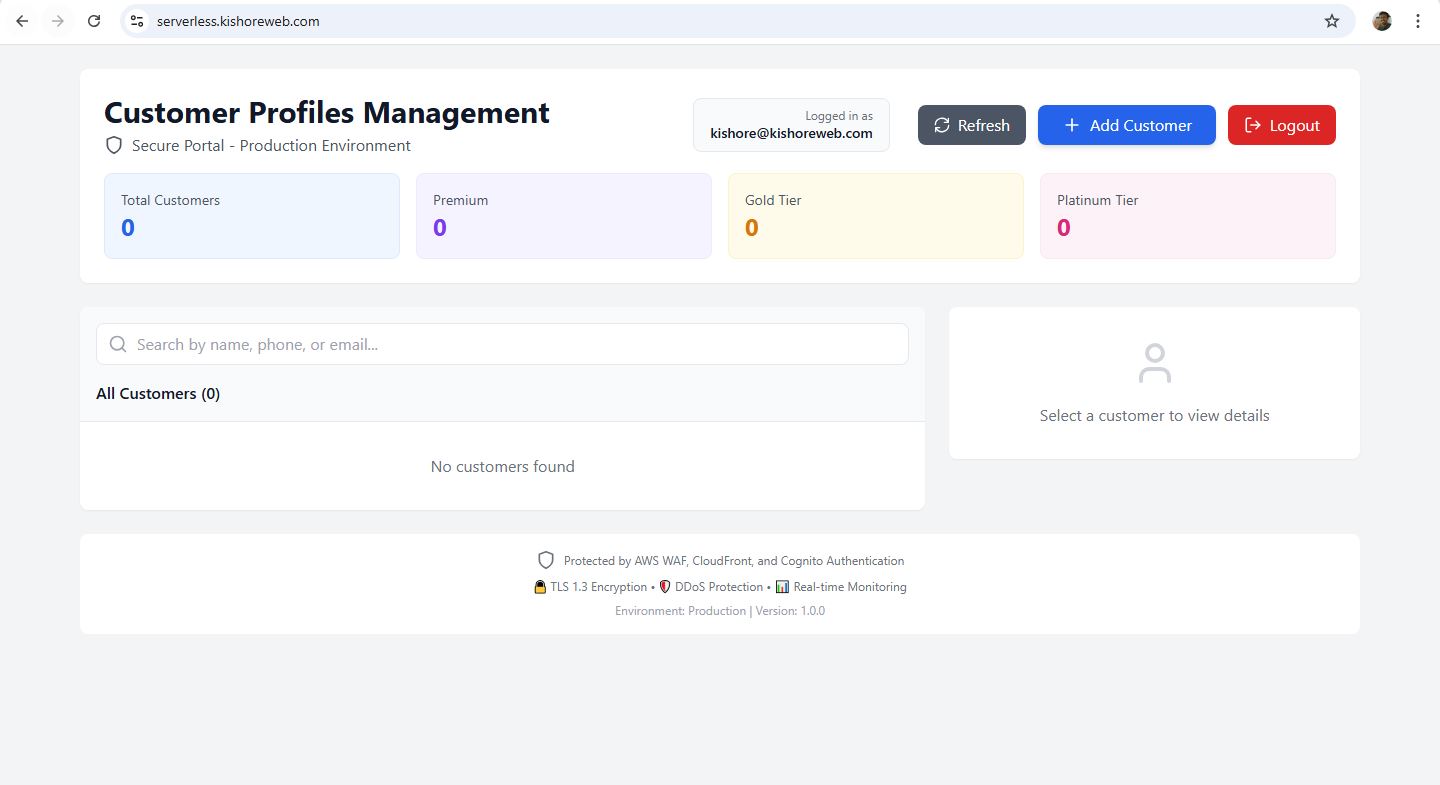
Step 1:

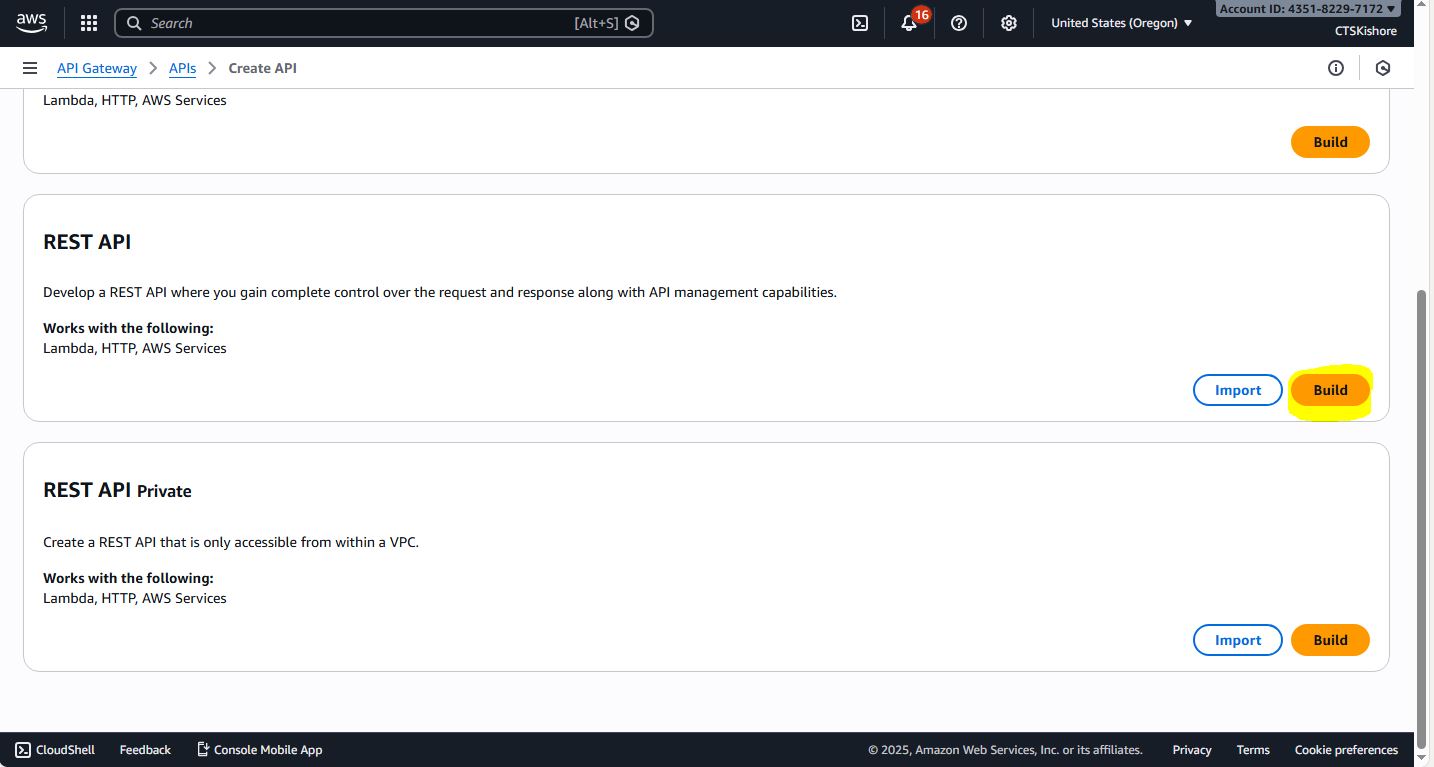
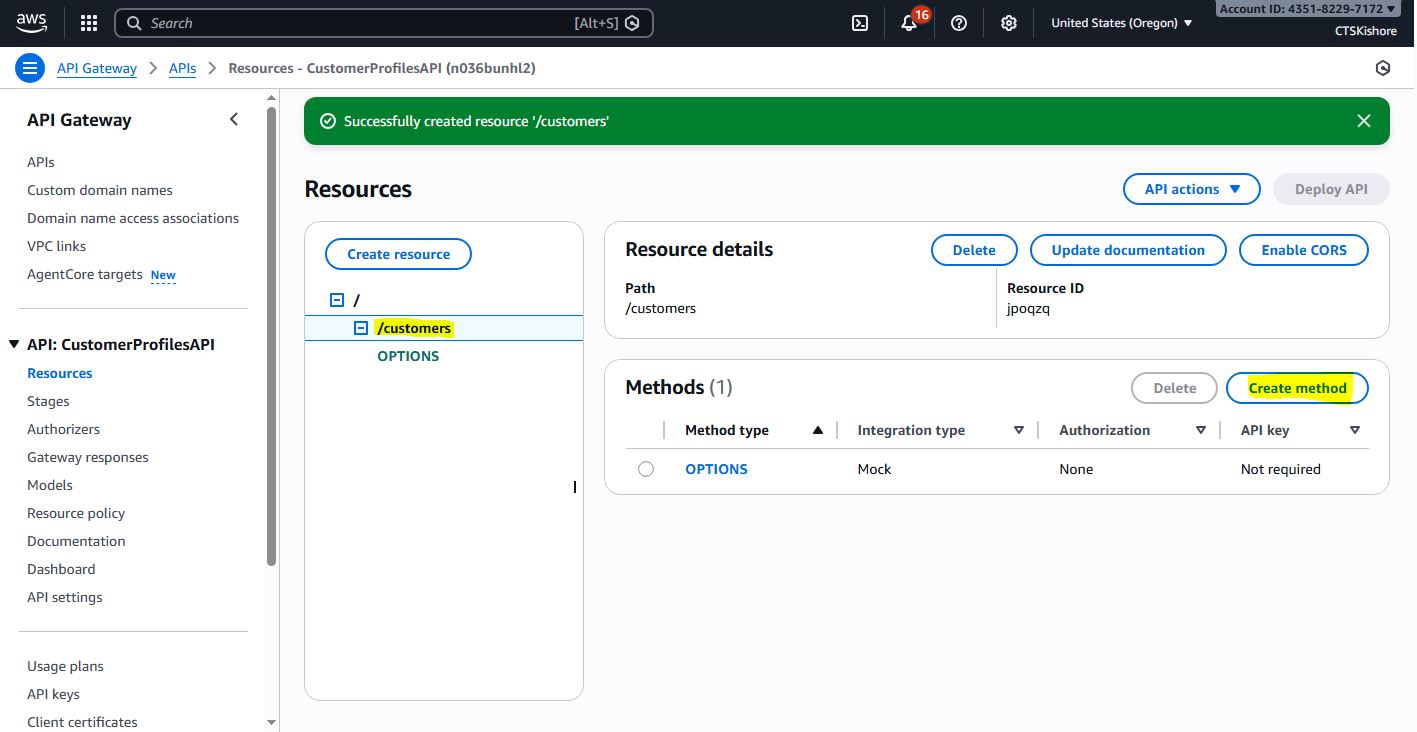
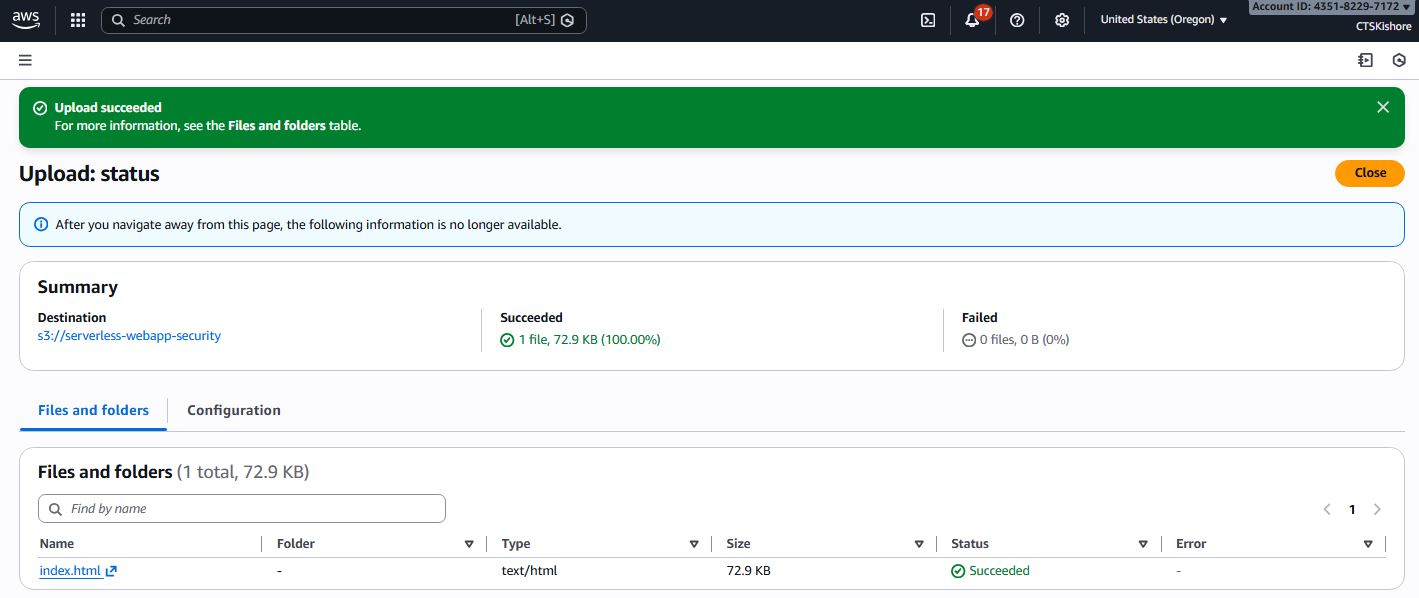
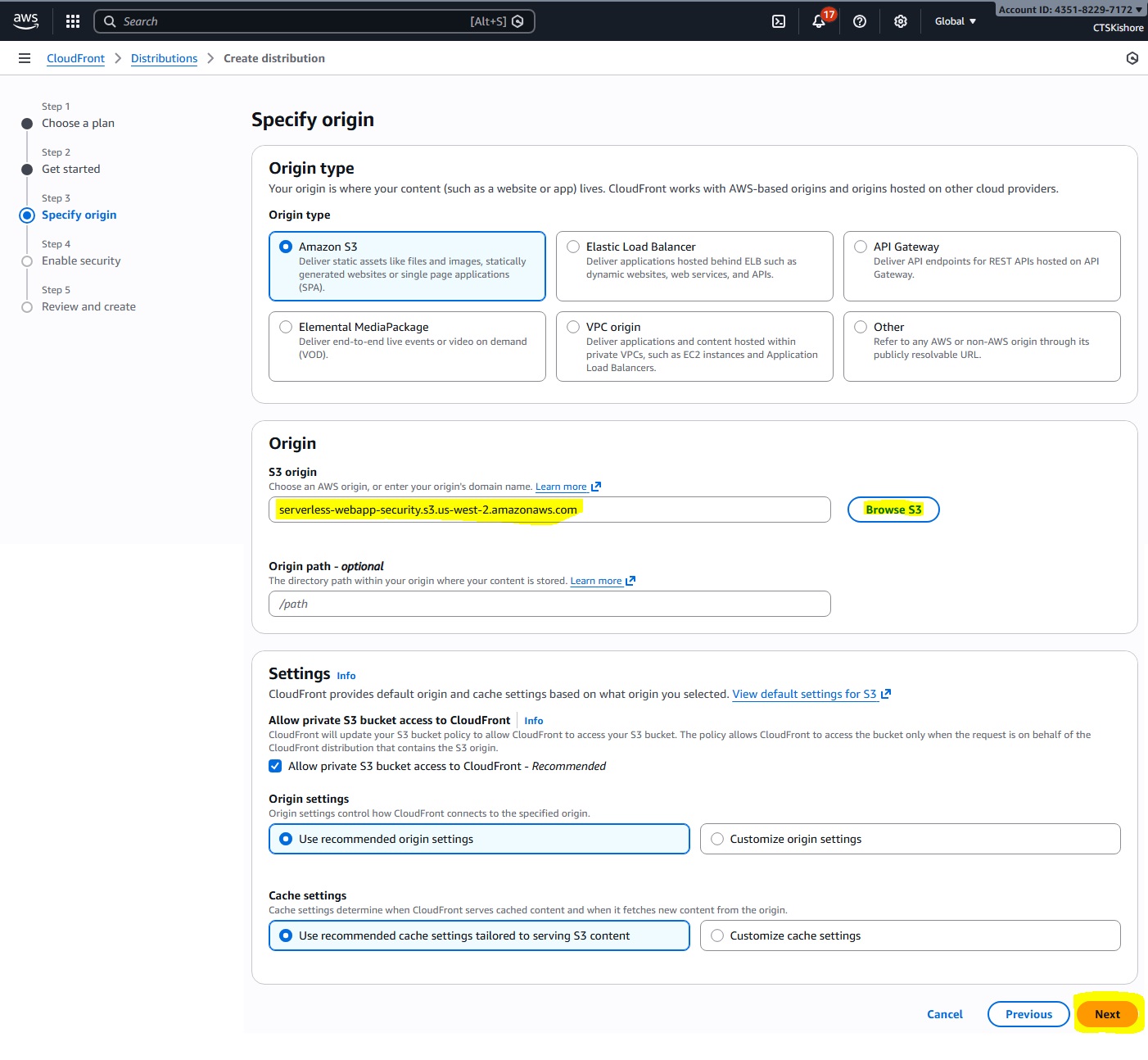
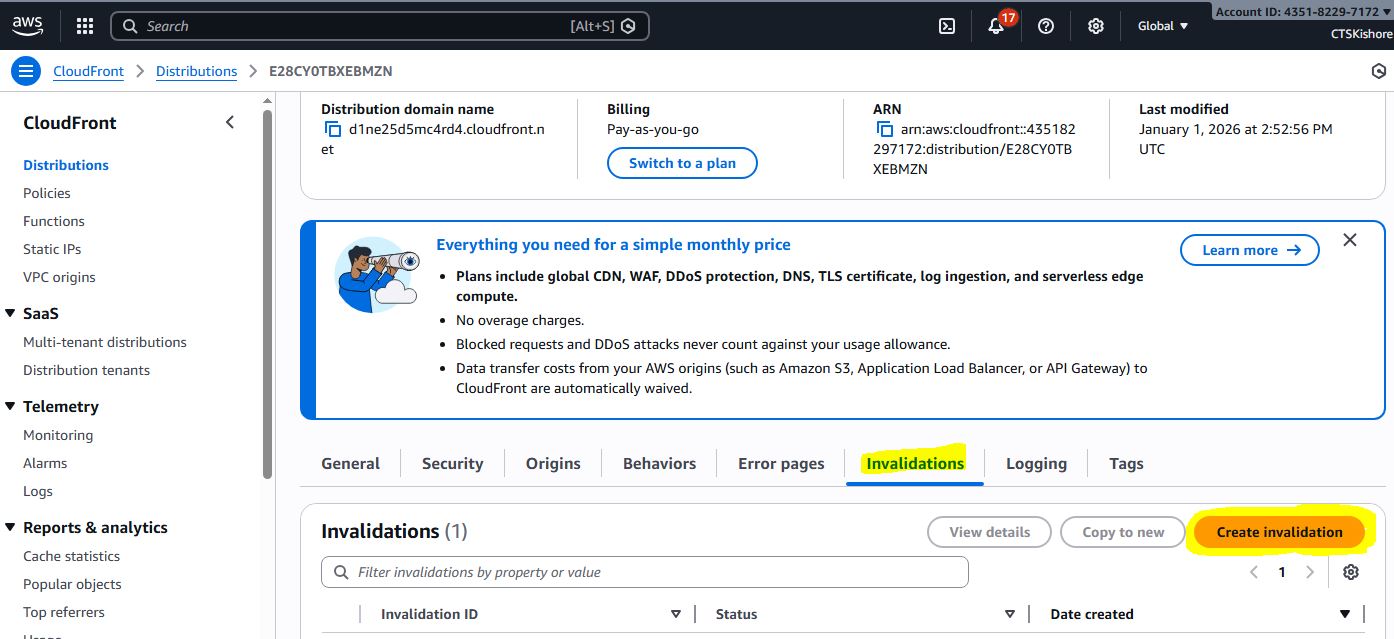
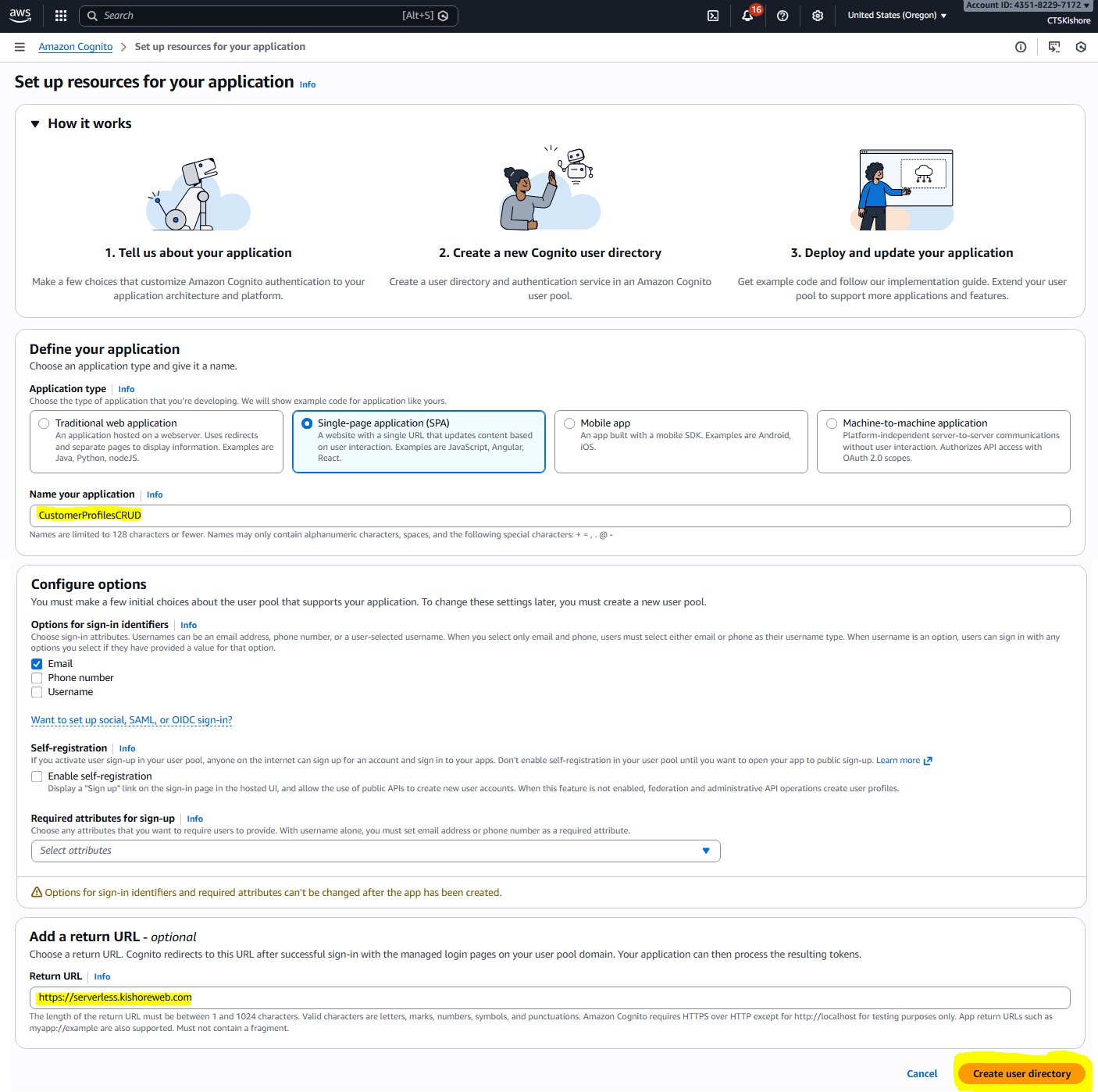
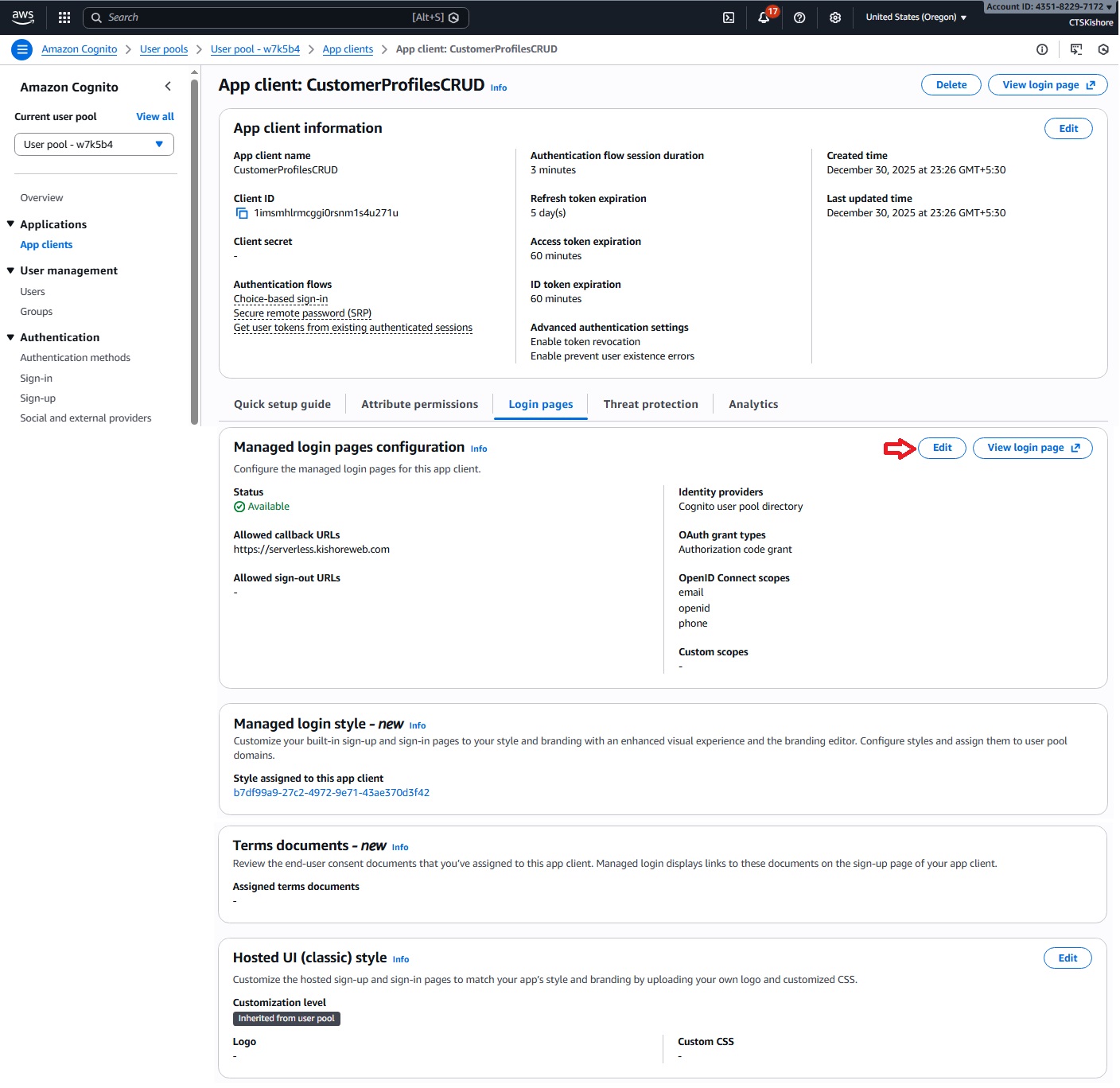
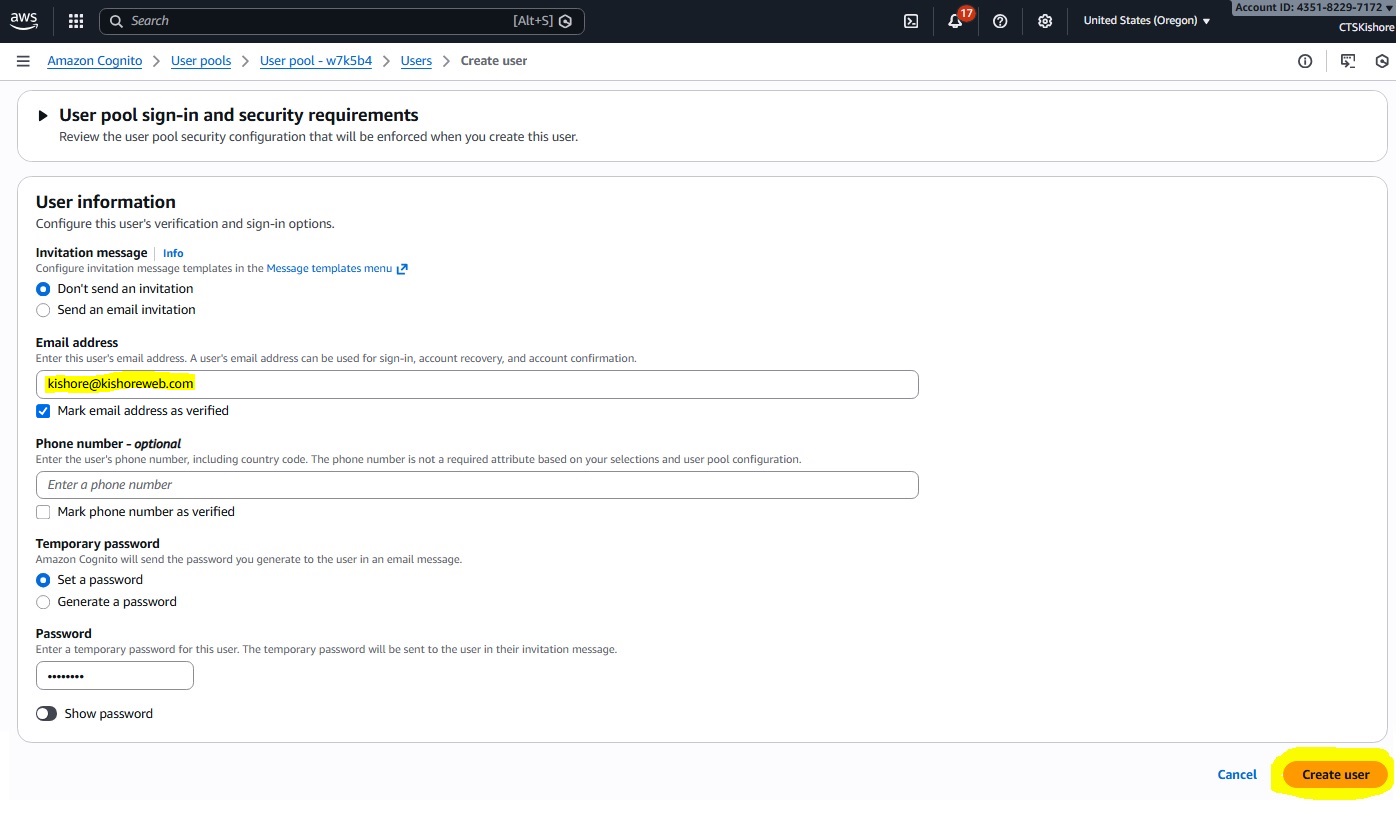
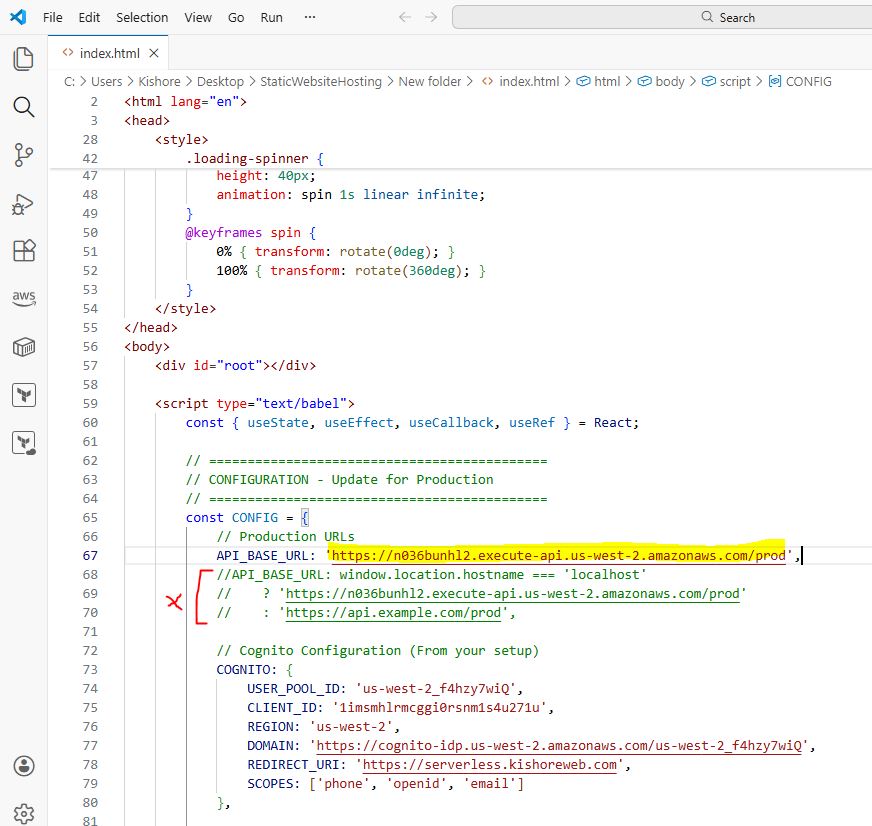
Step 2:
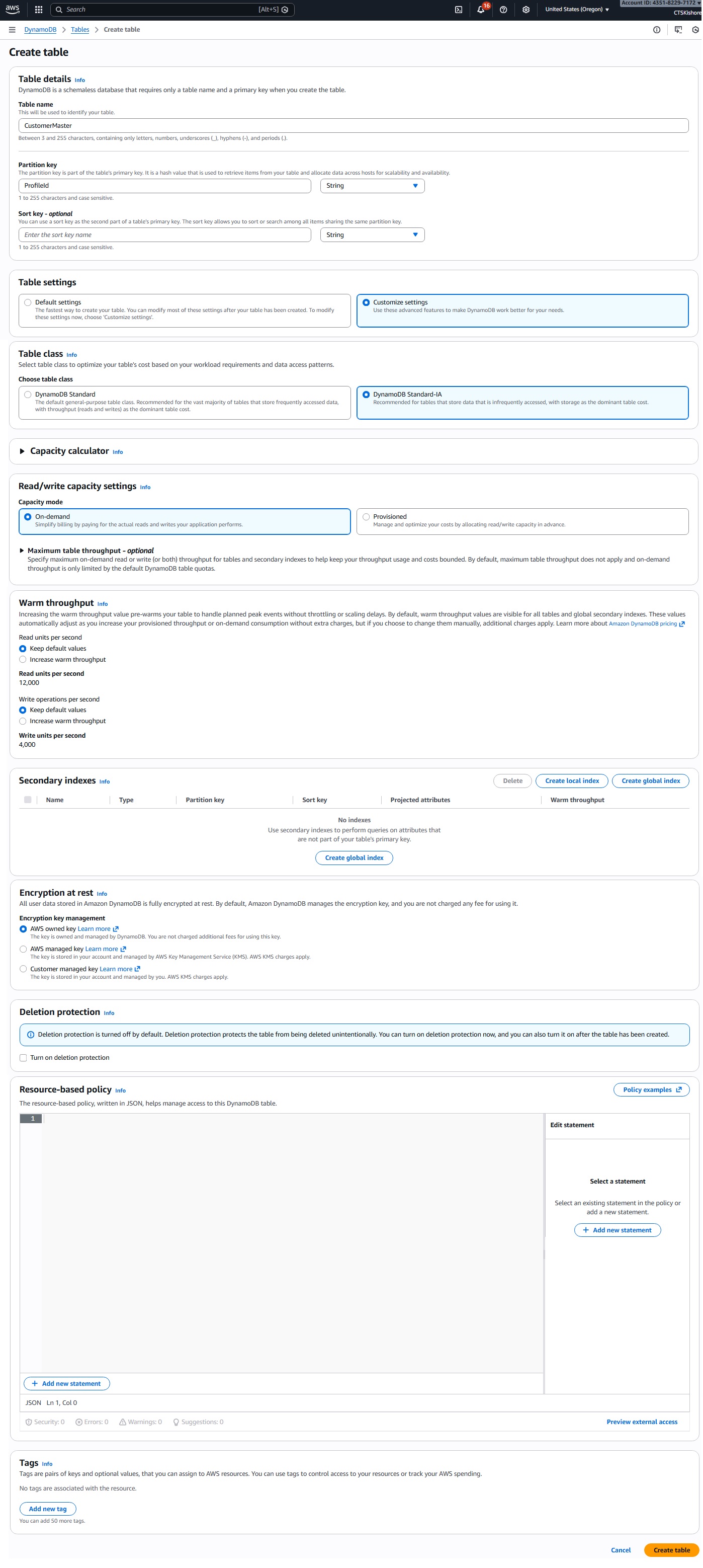
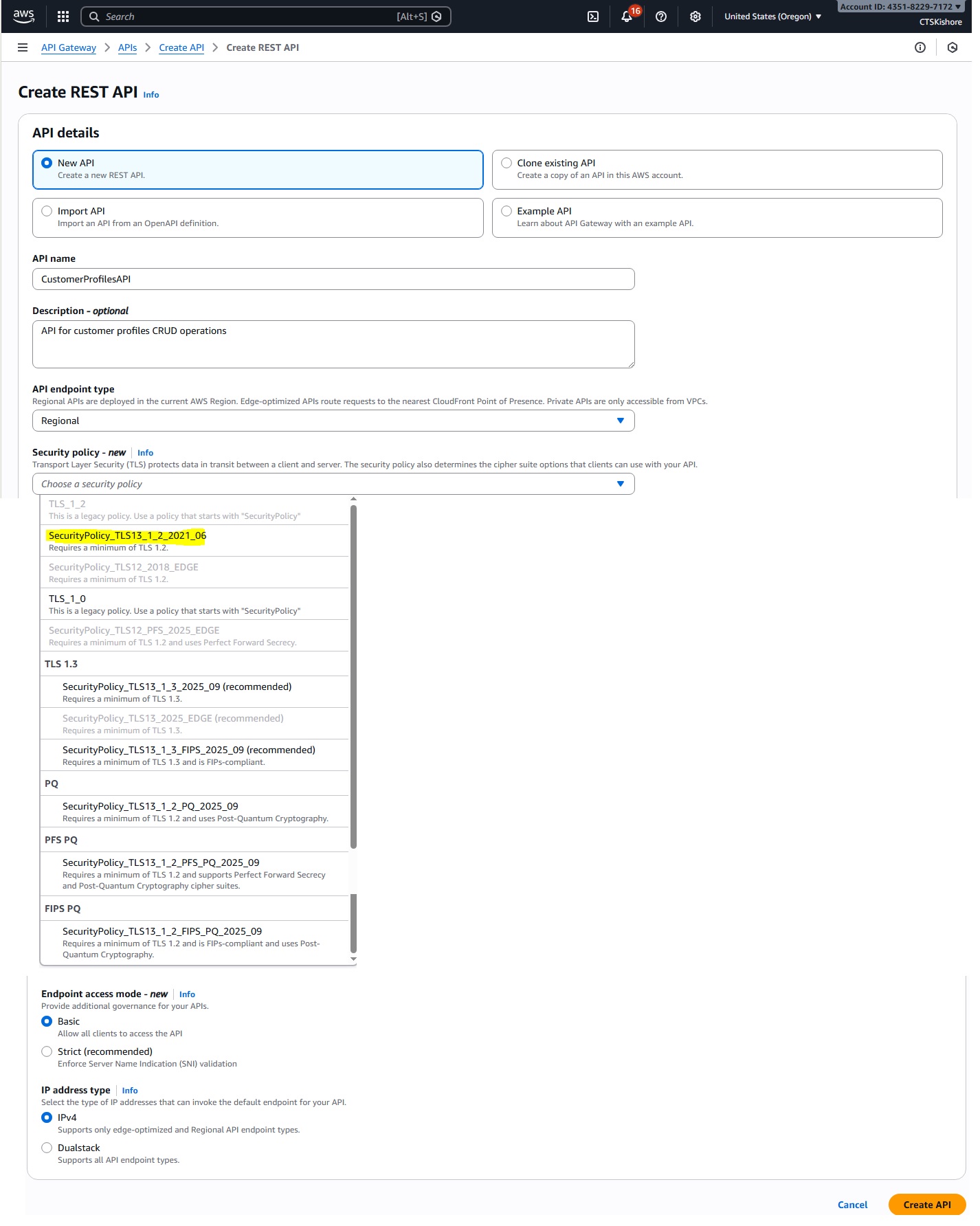
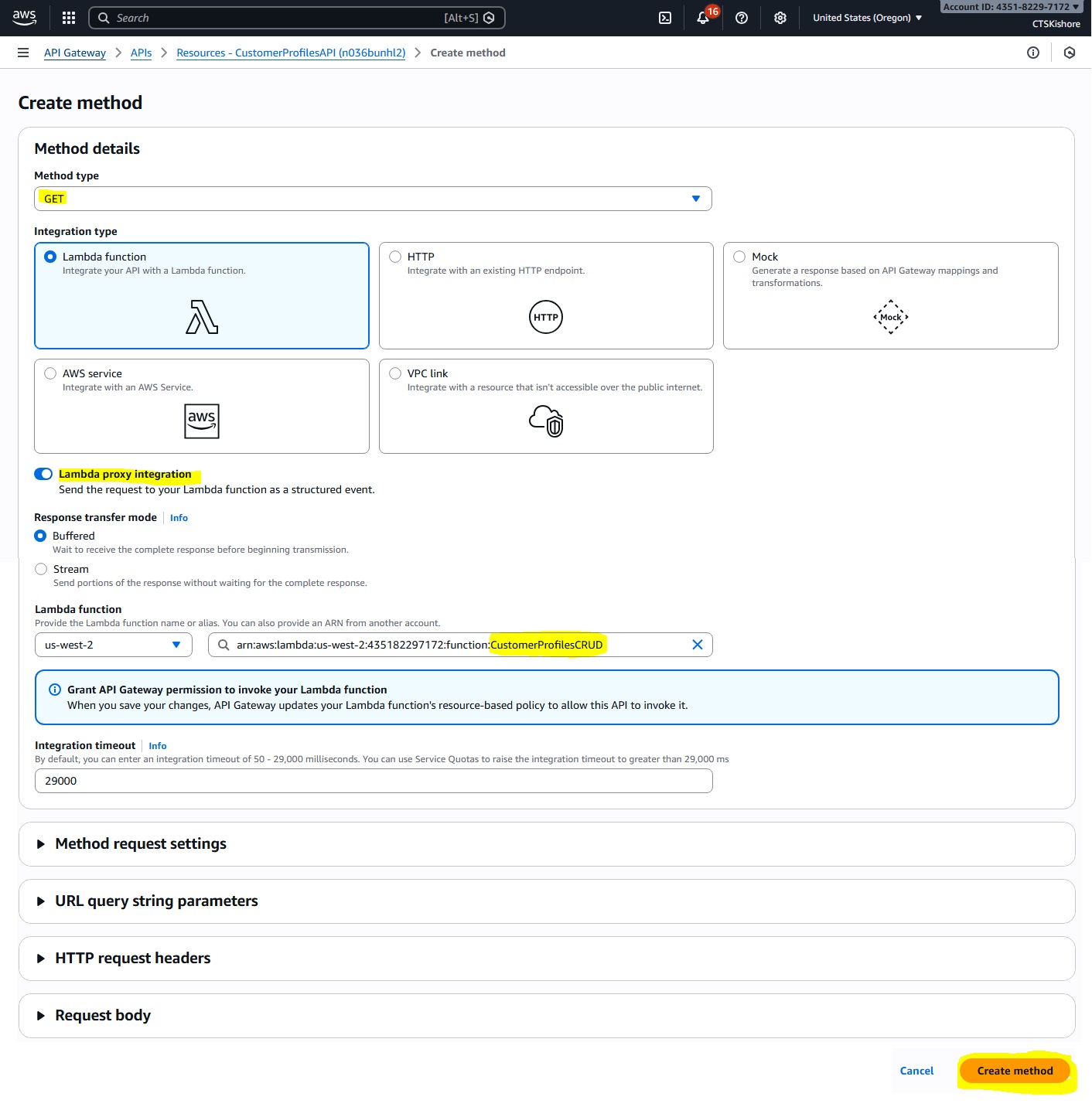
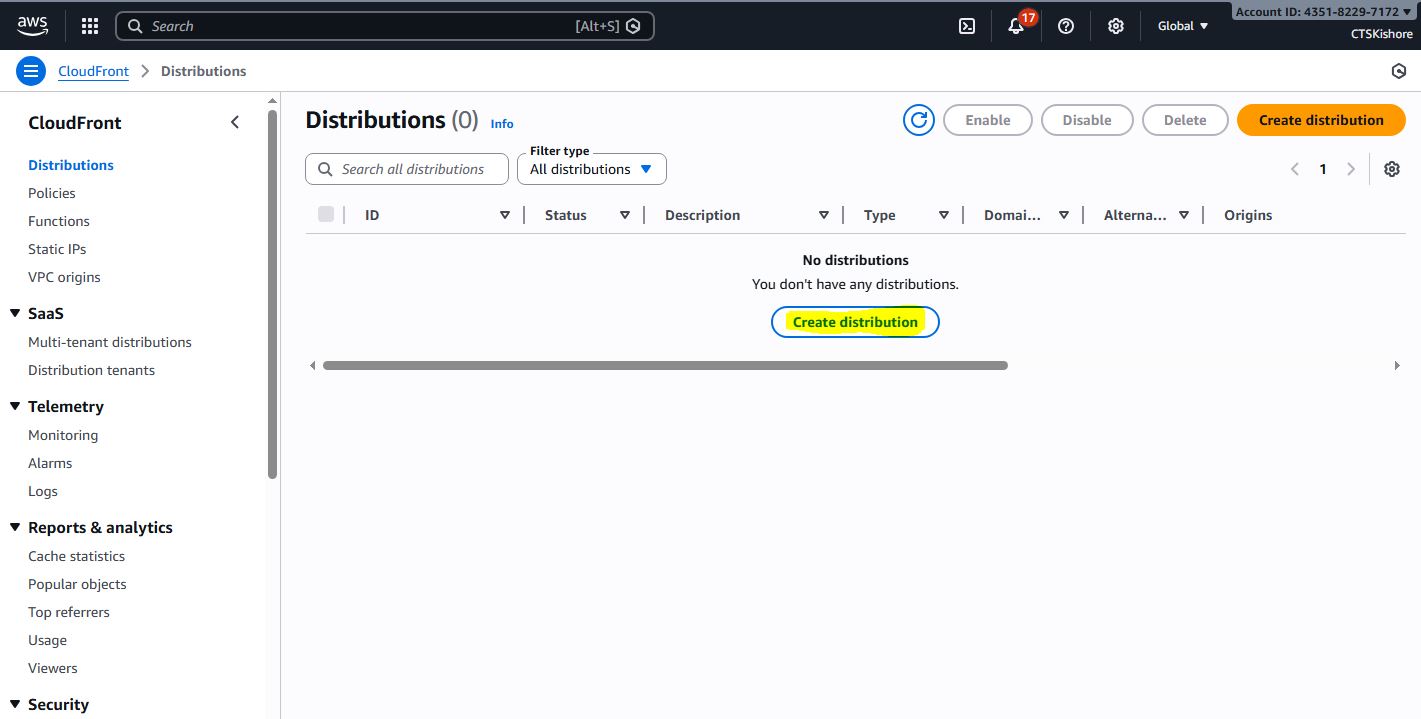
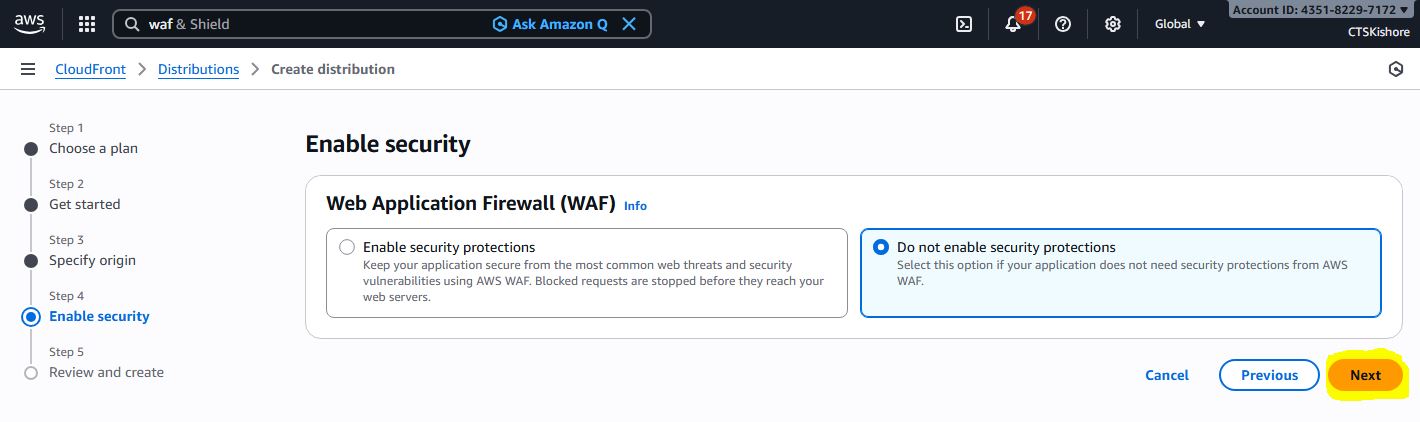
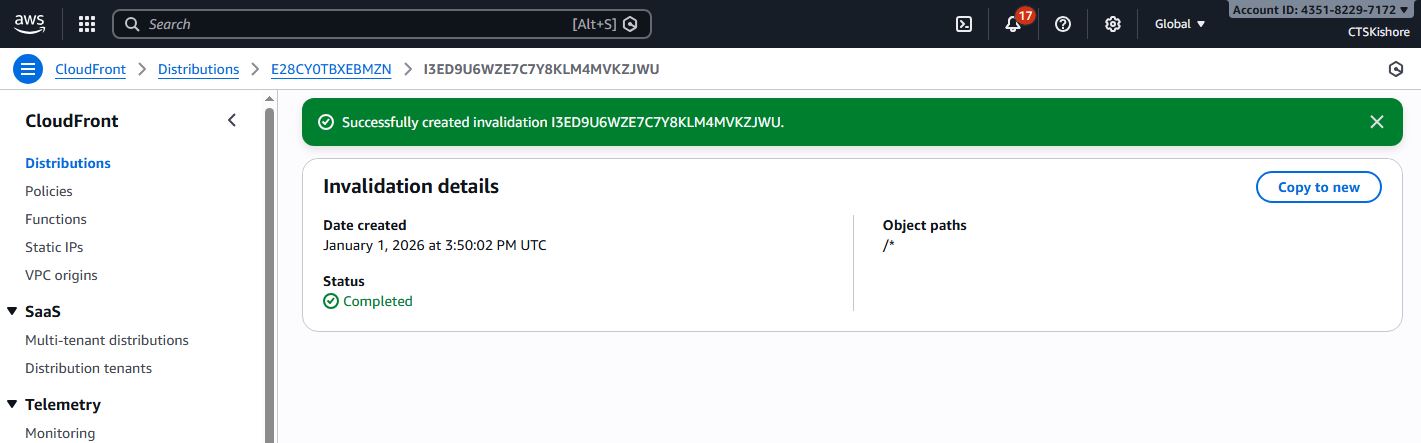
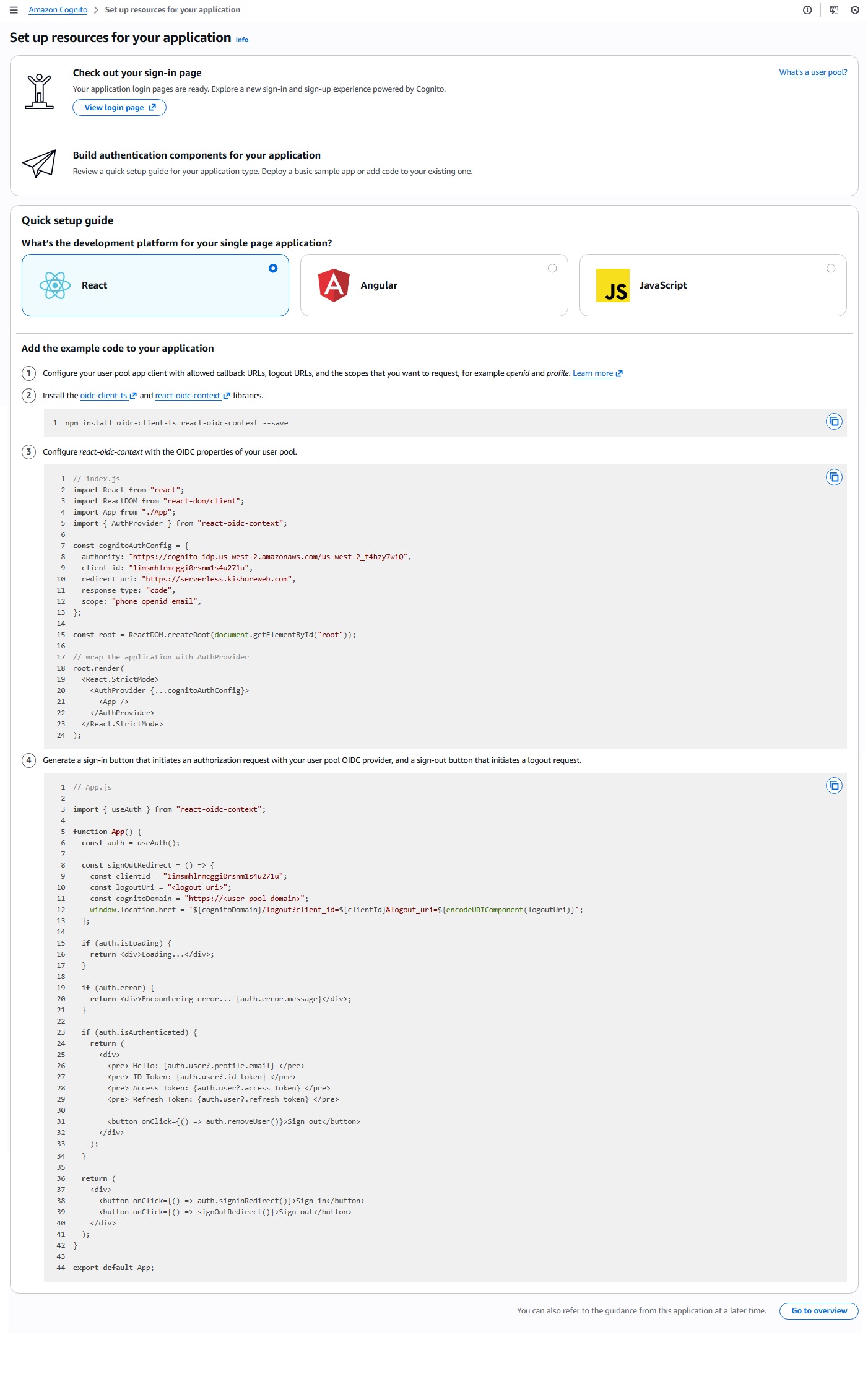
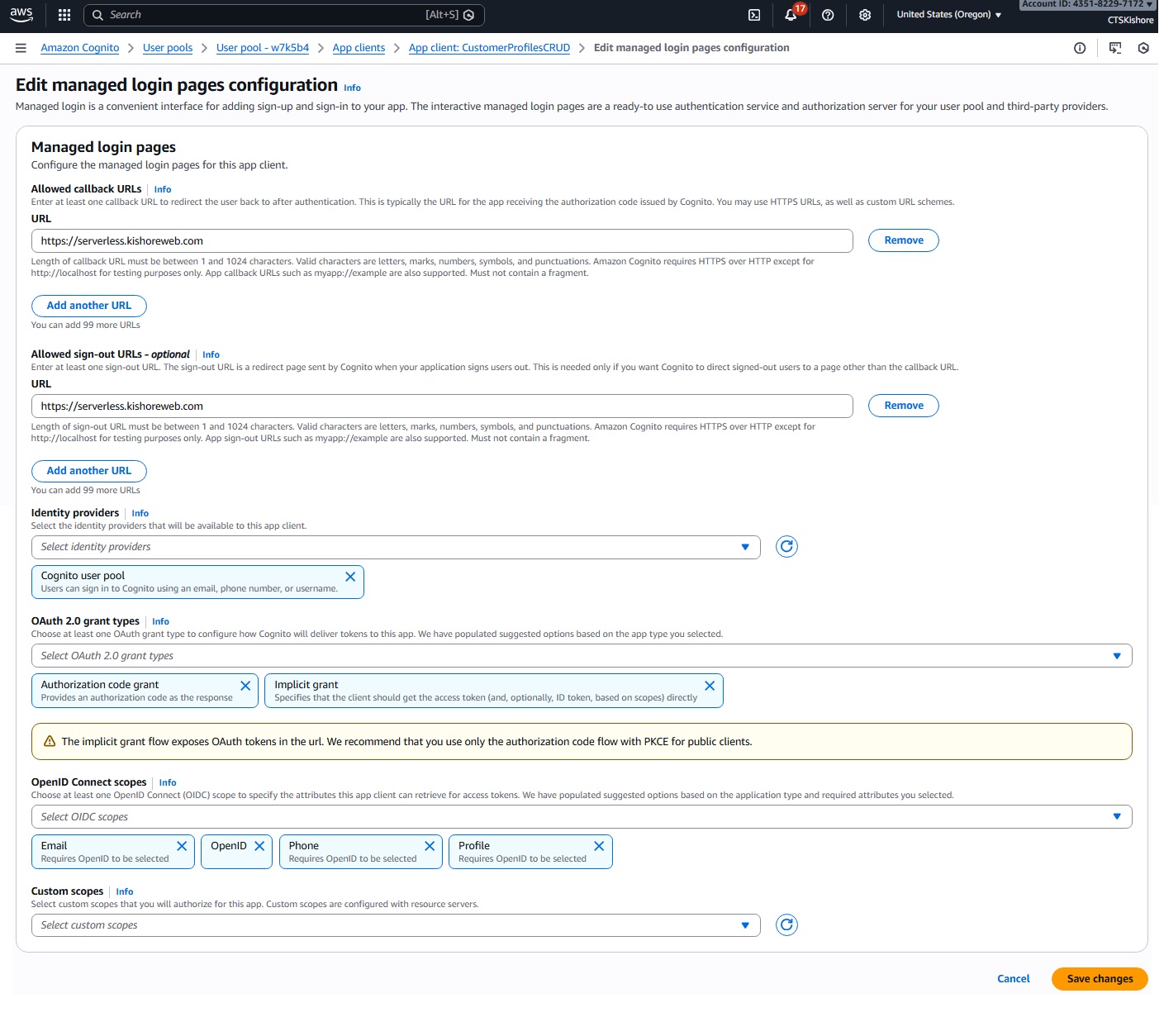
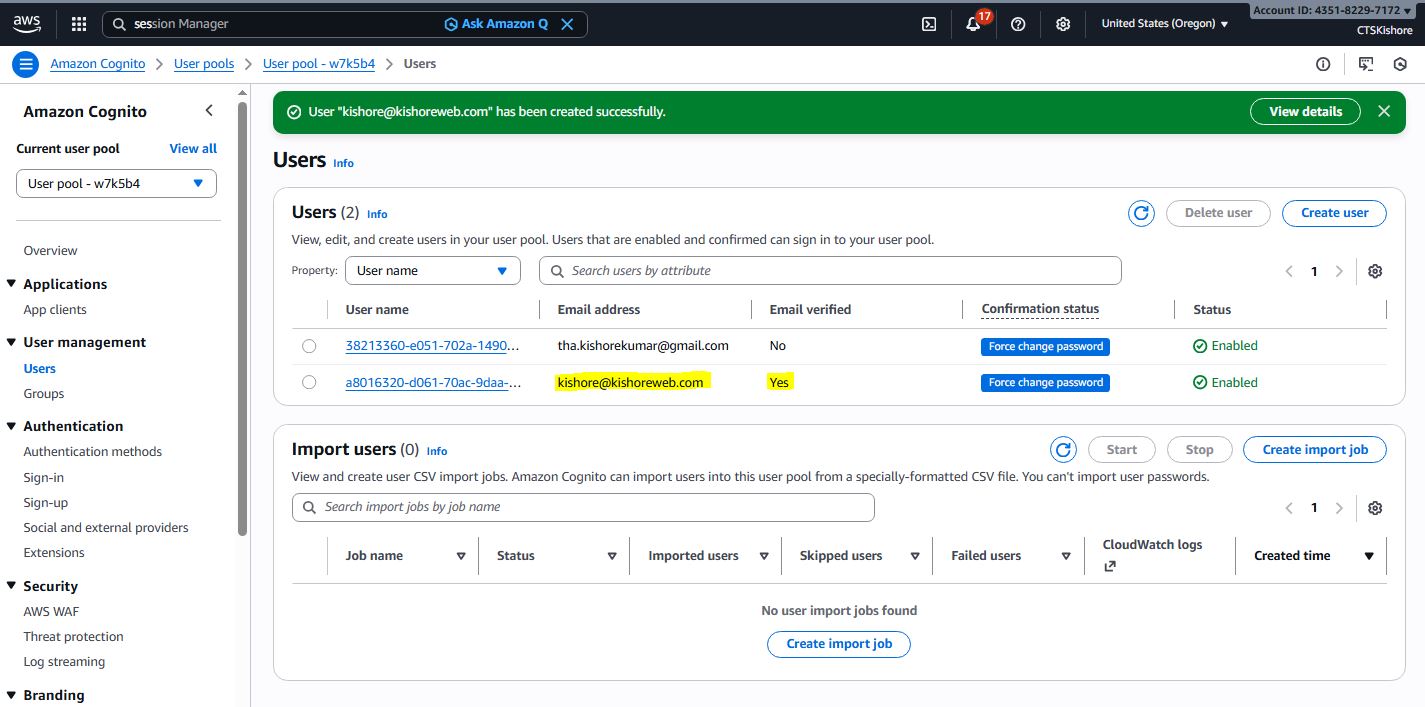
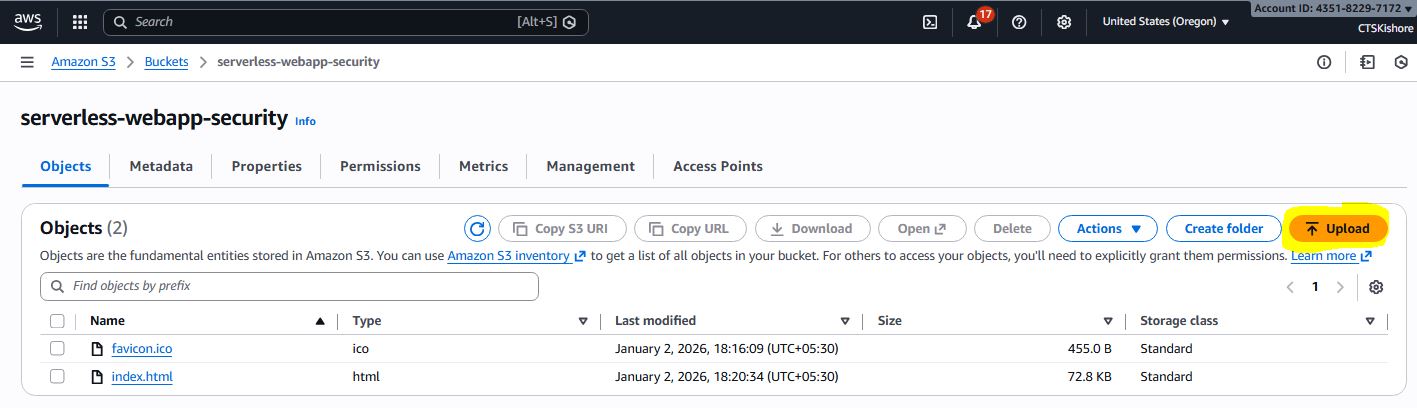
Step 3:

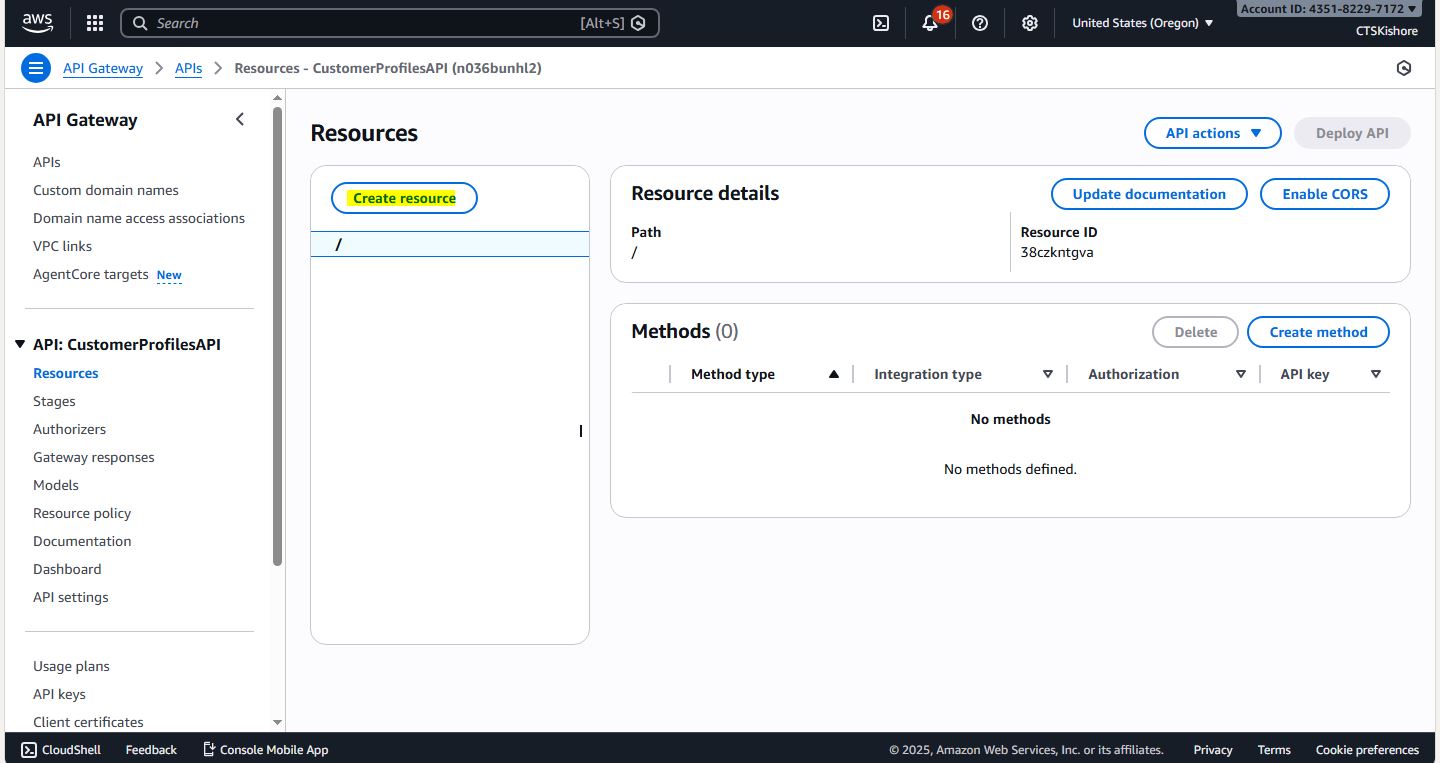
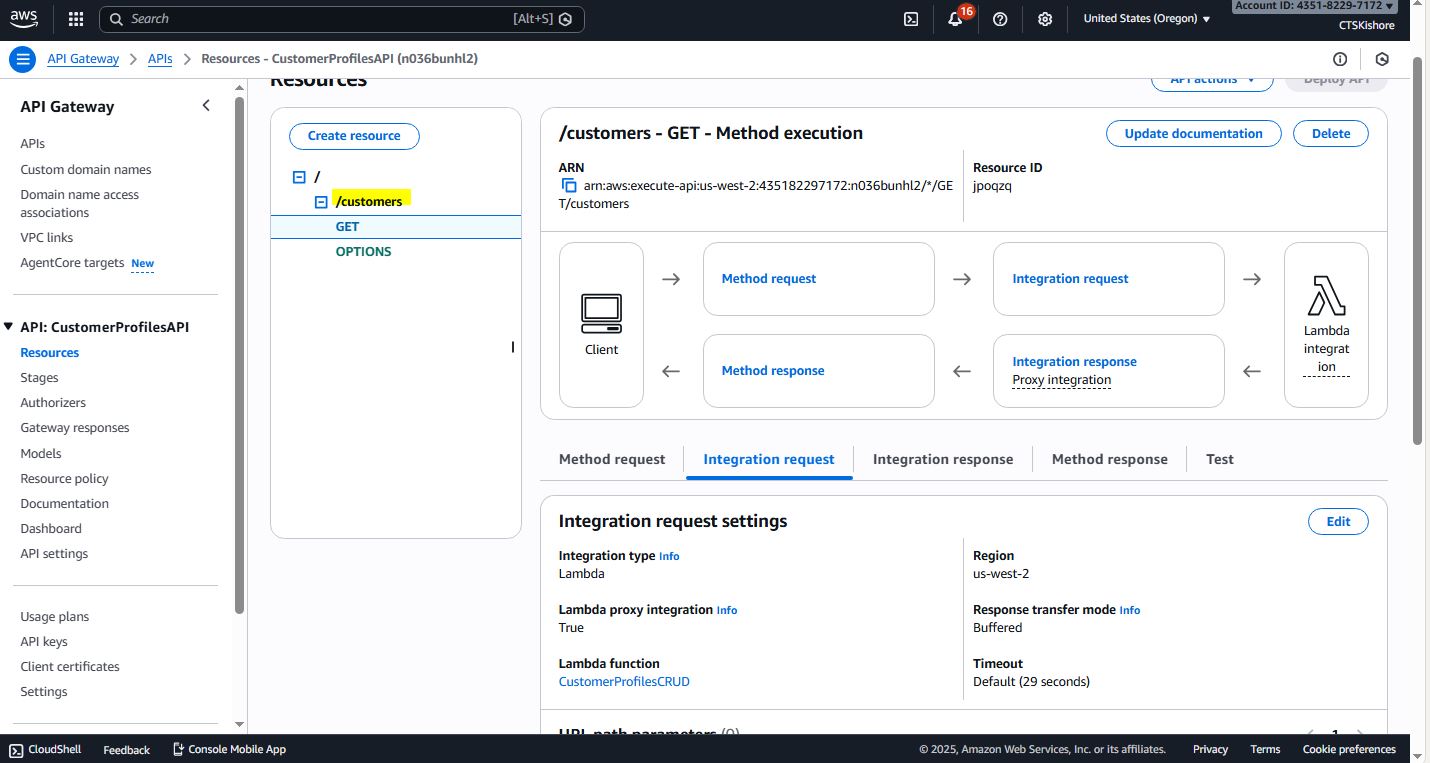
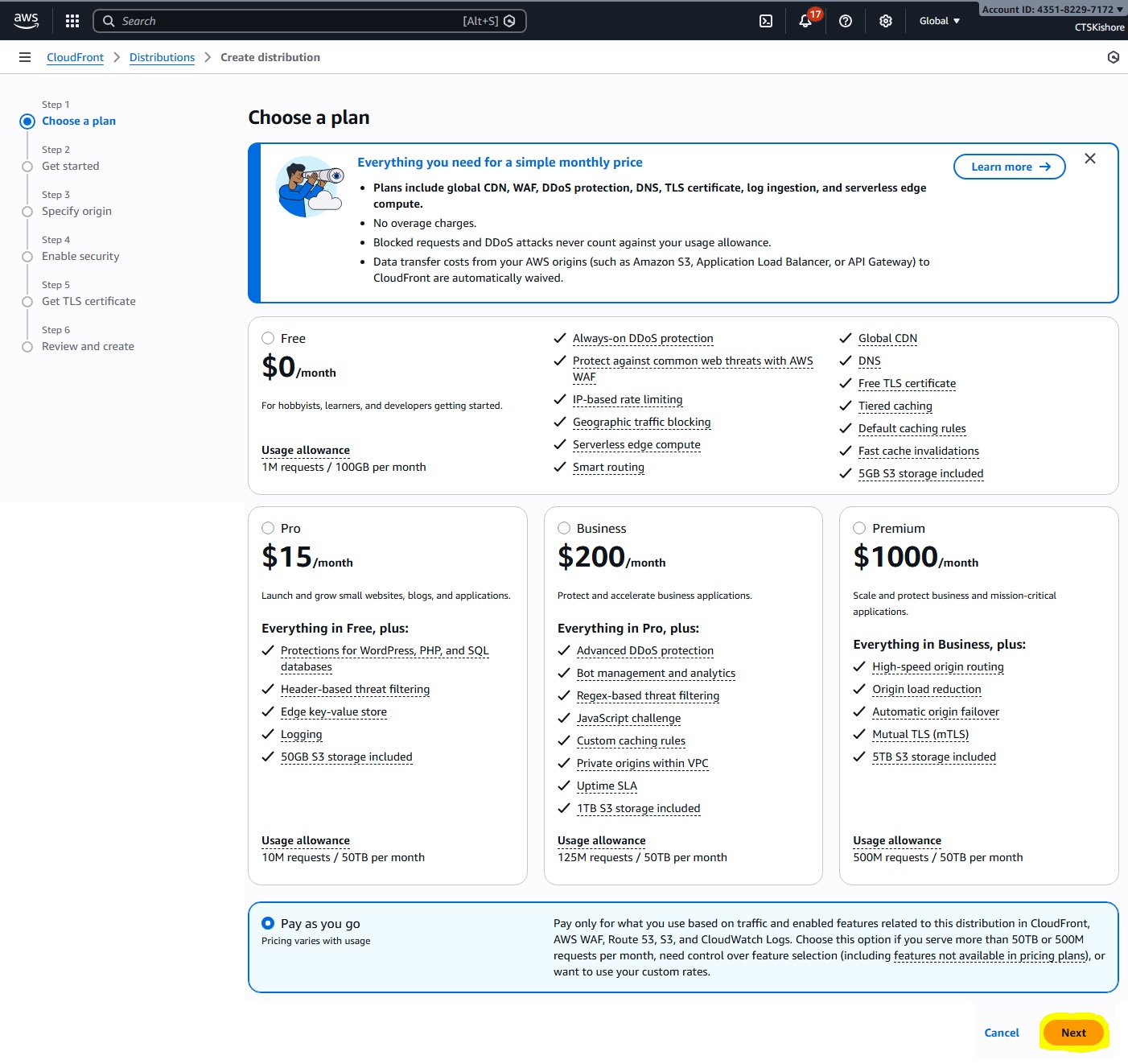
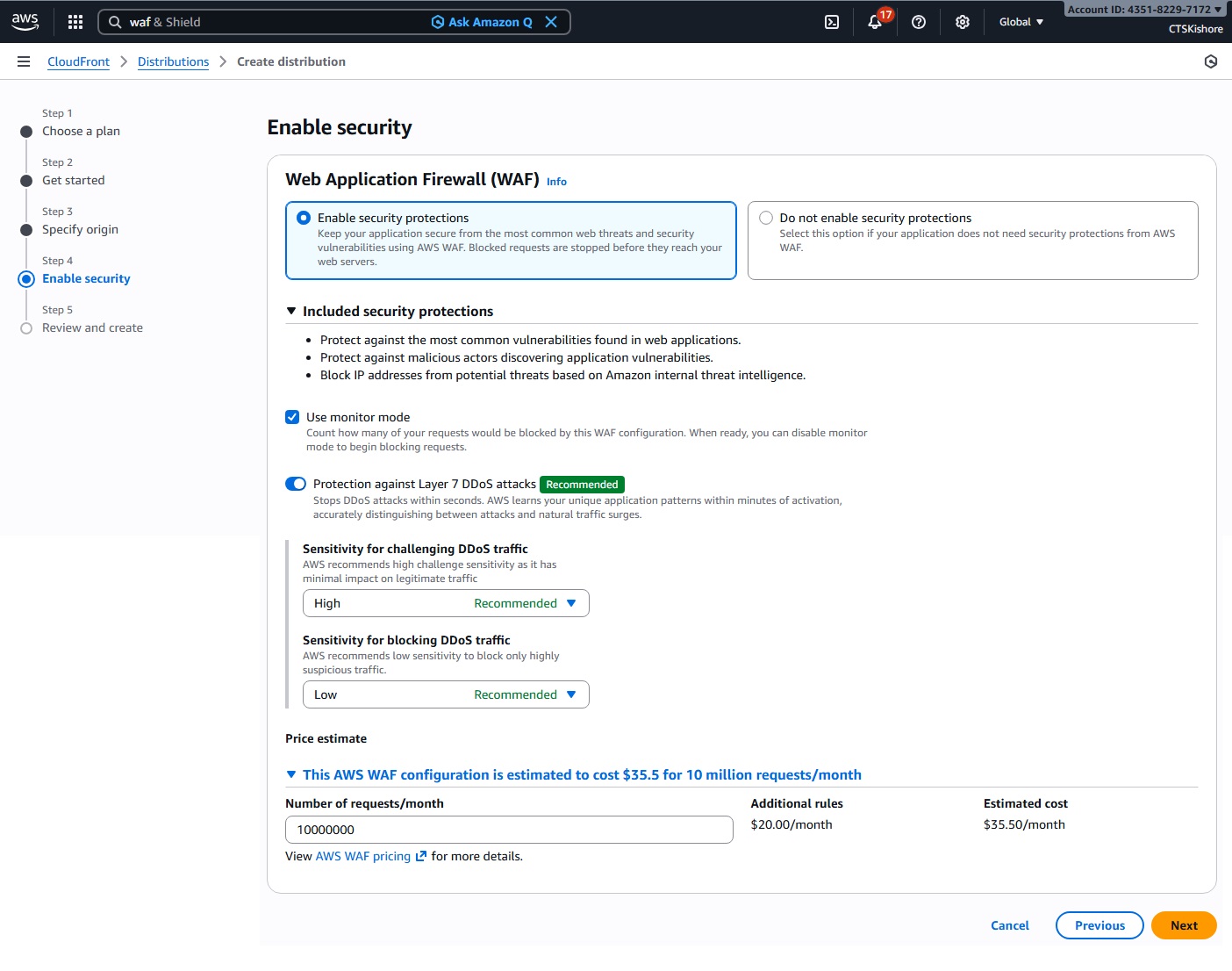
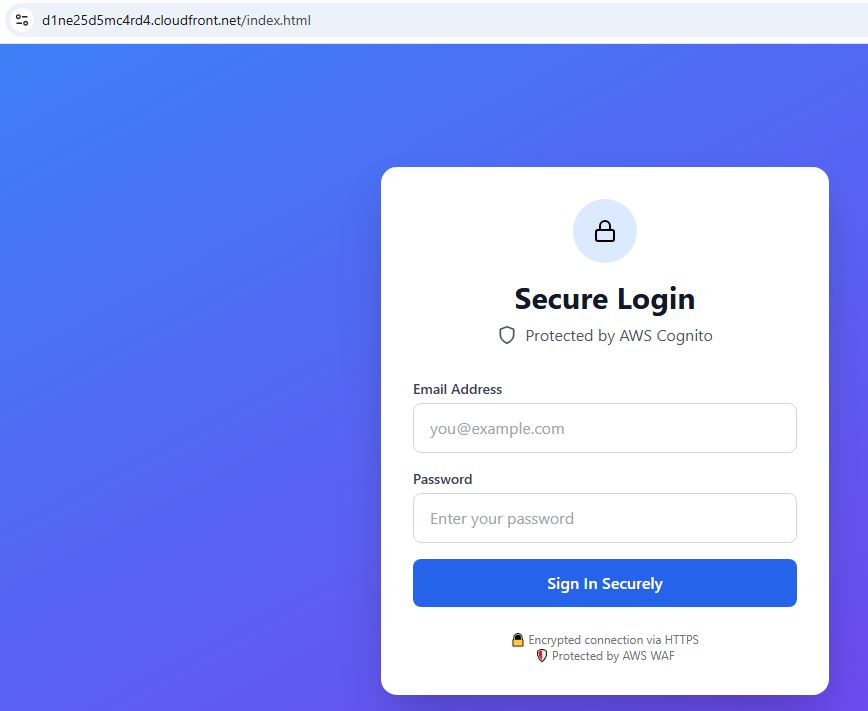
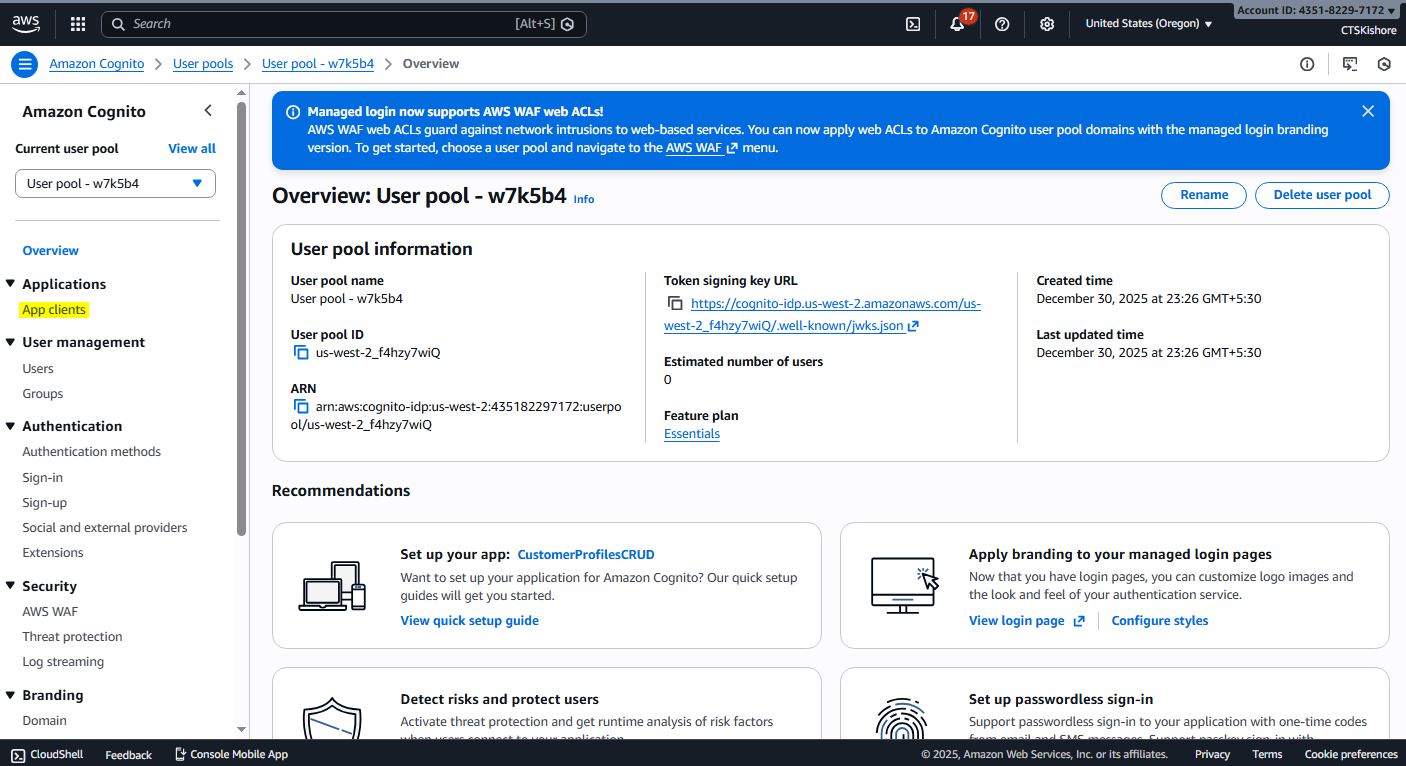
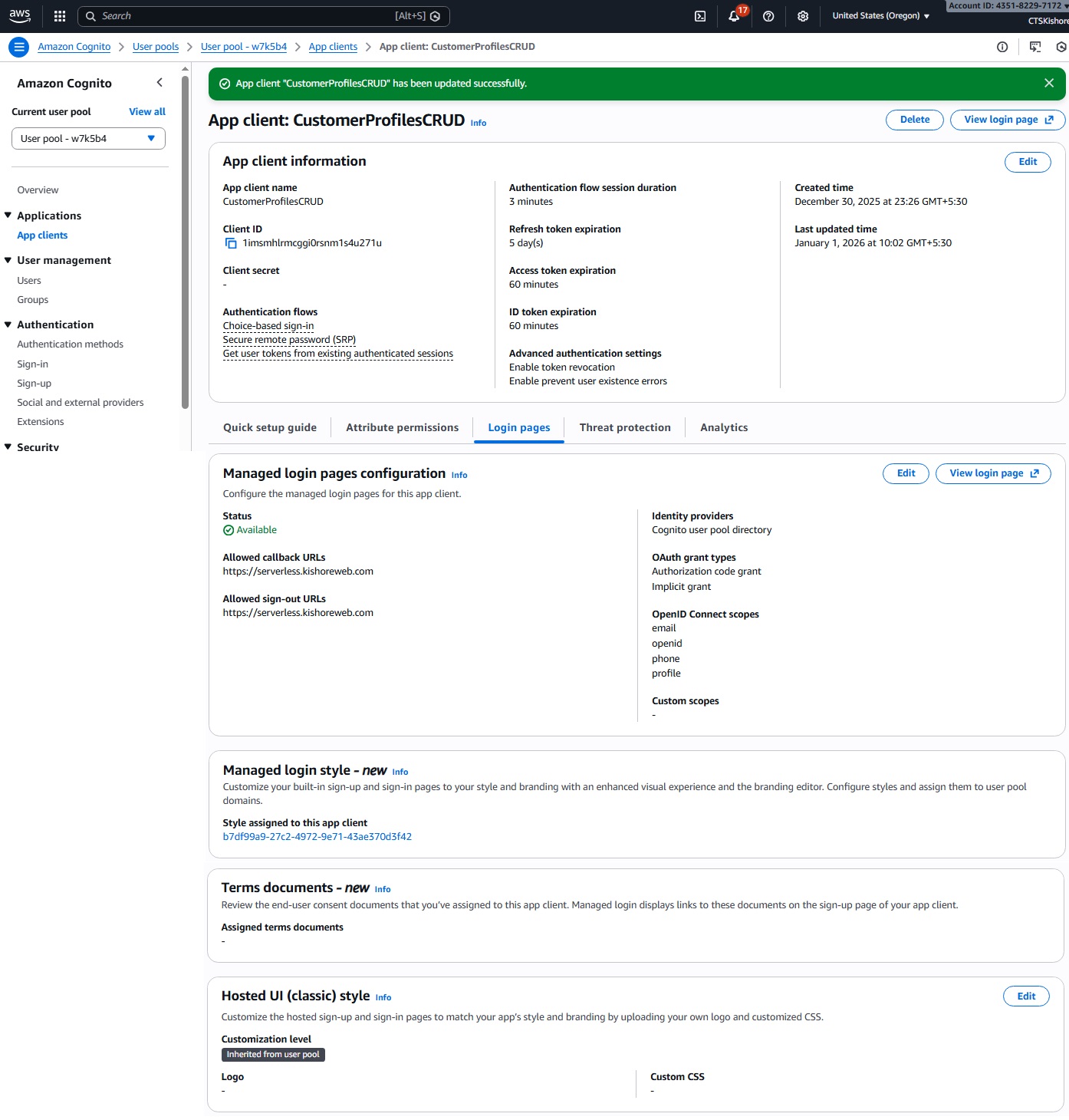
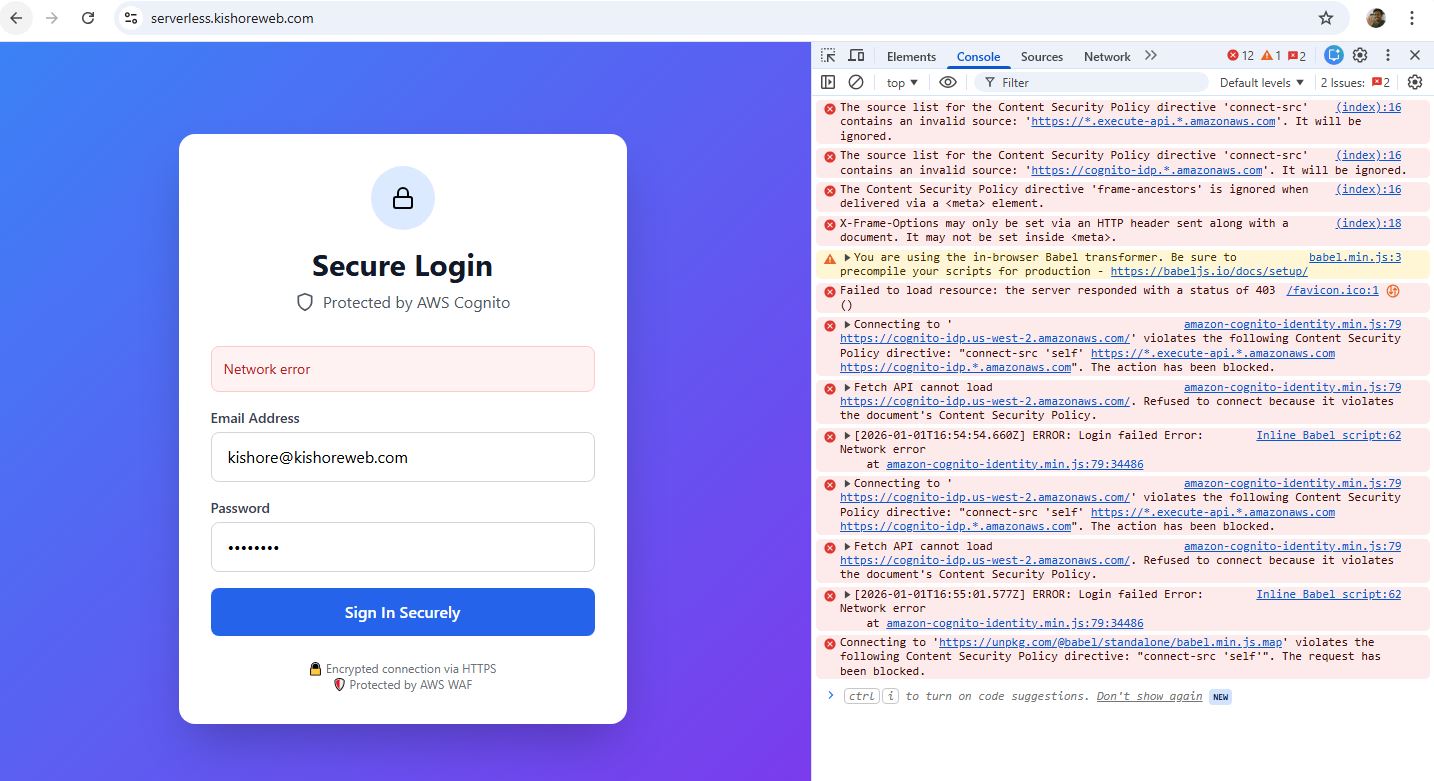
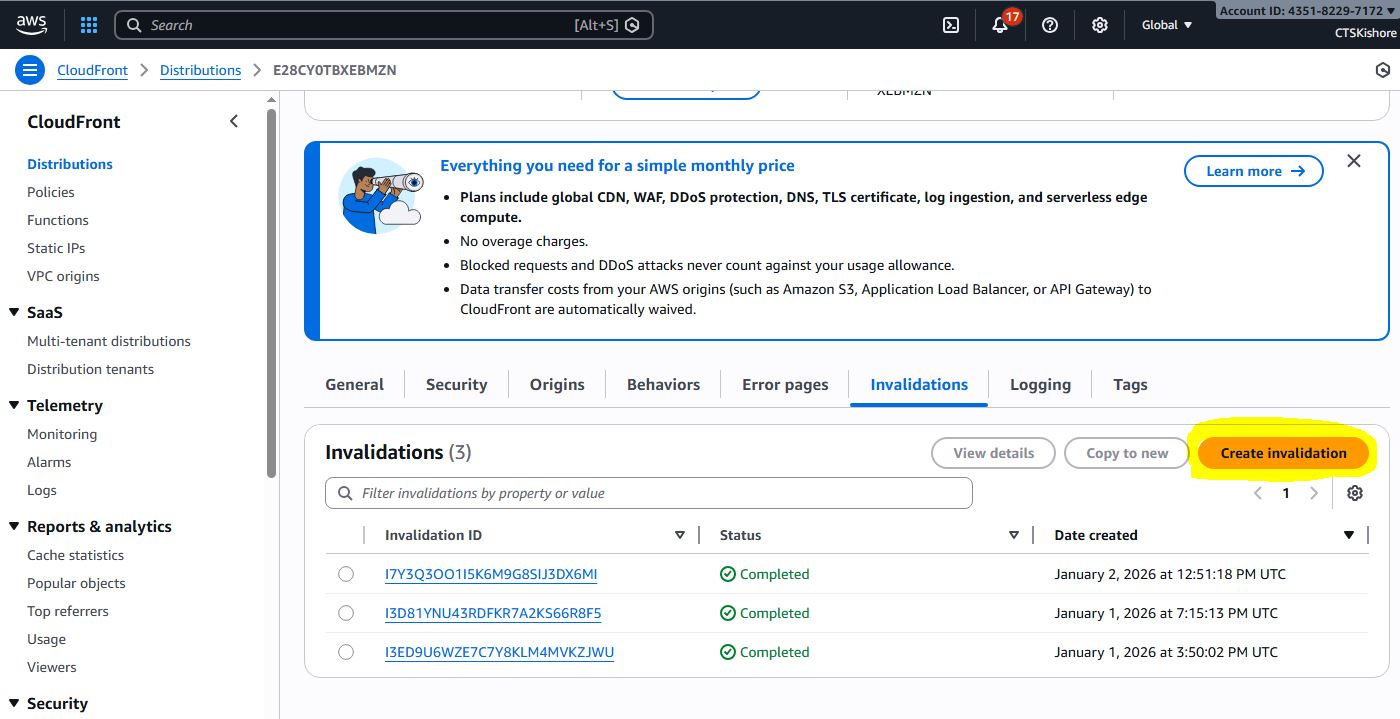
Step 4:

Step 5:
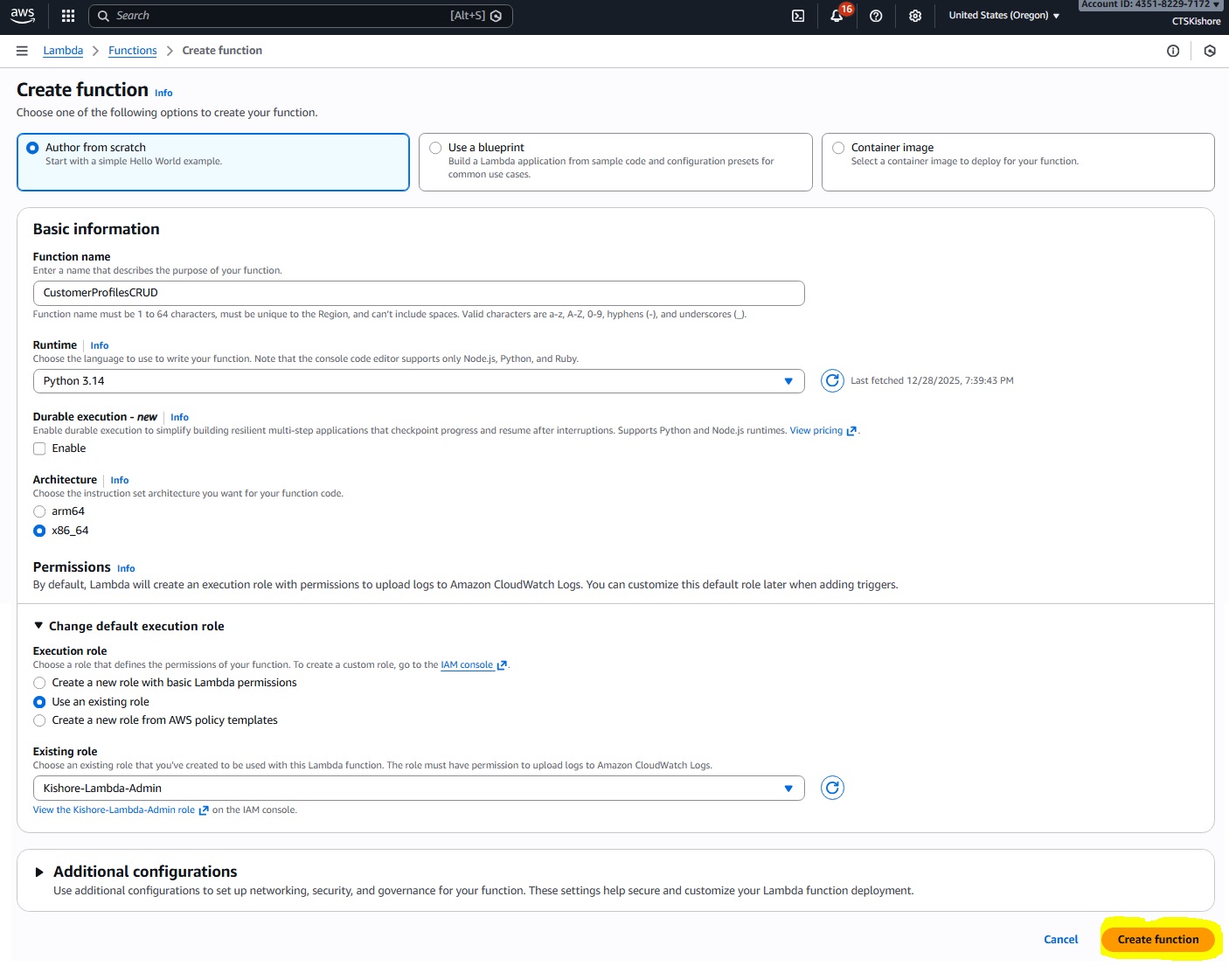
Step 6:
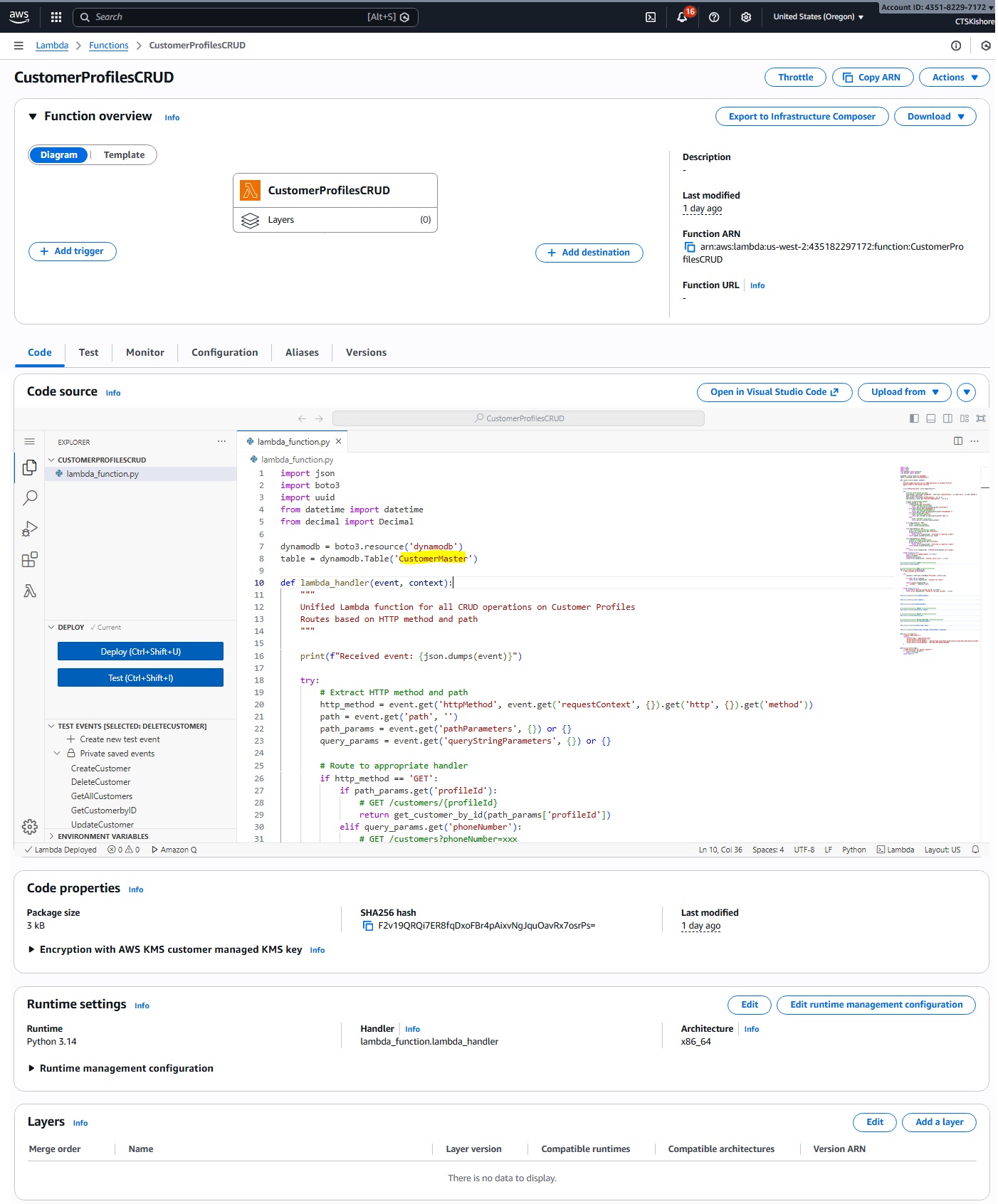
Lambda Code - CustomerProfilesCRUD
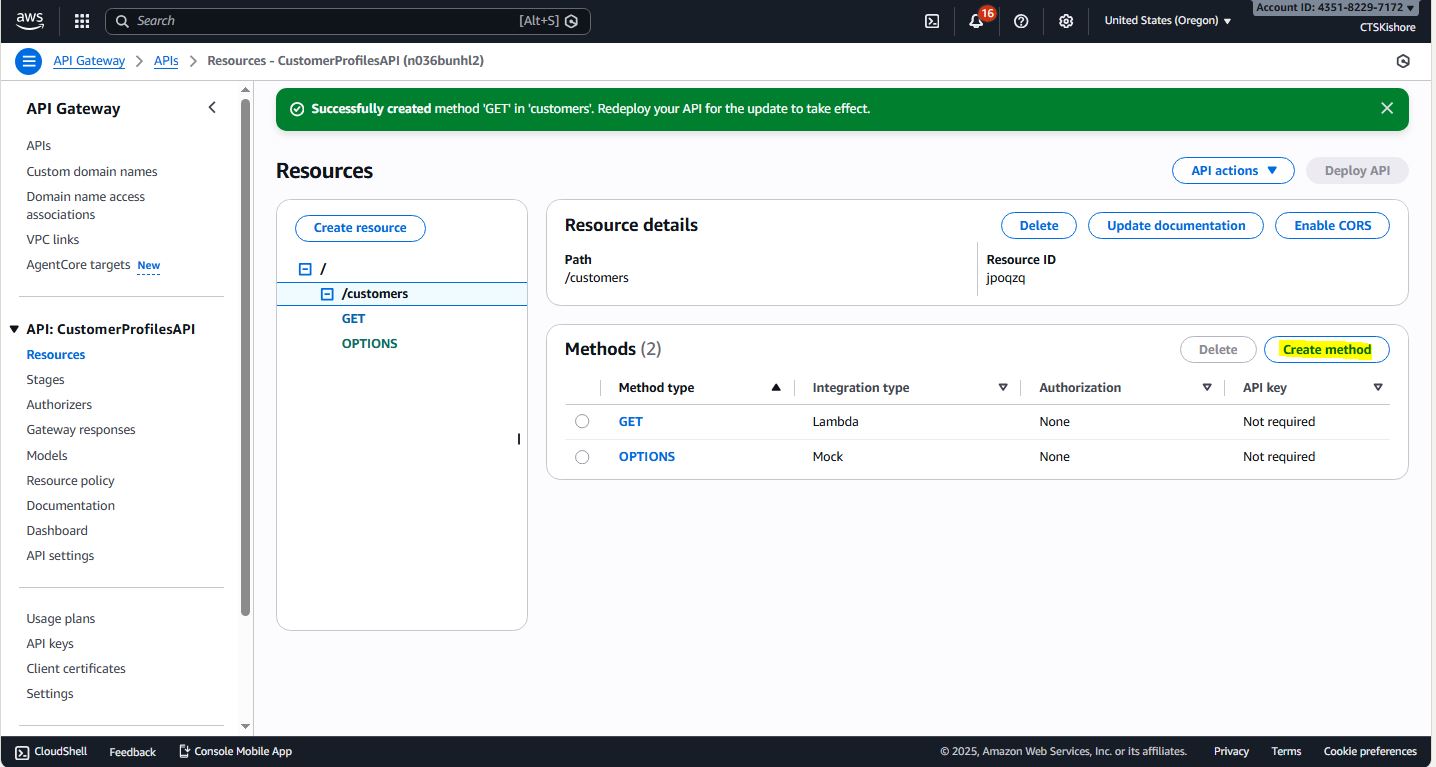
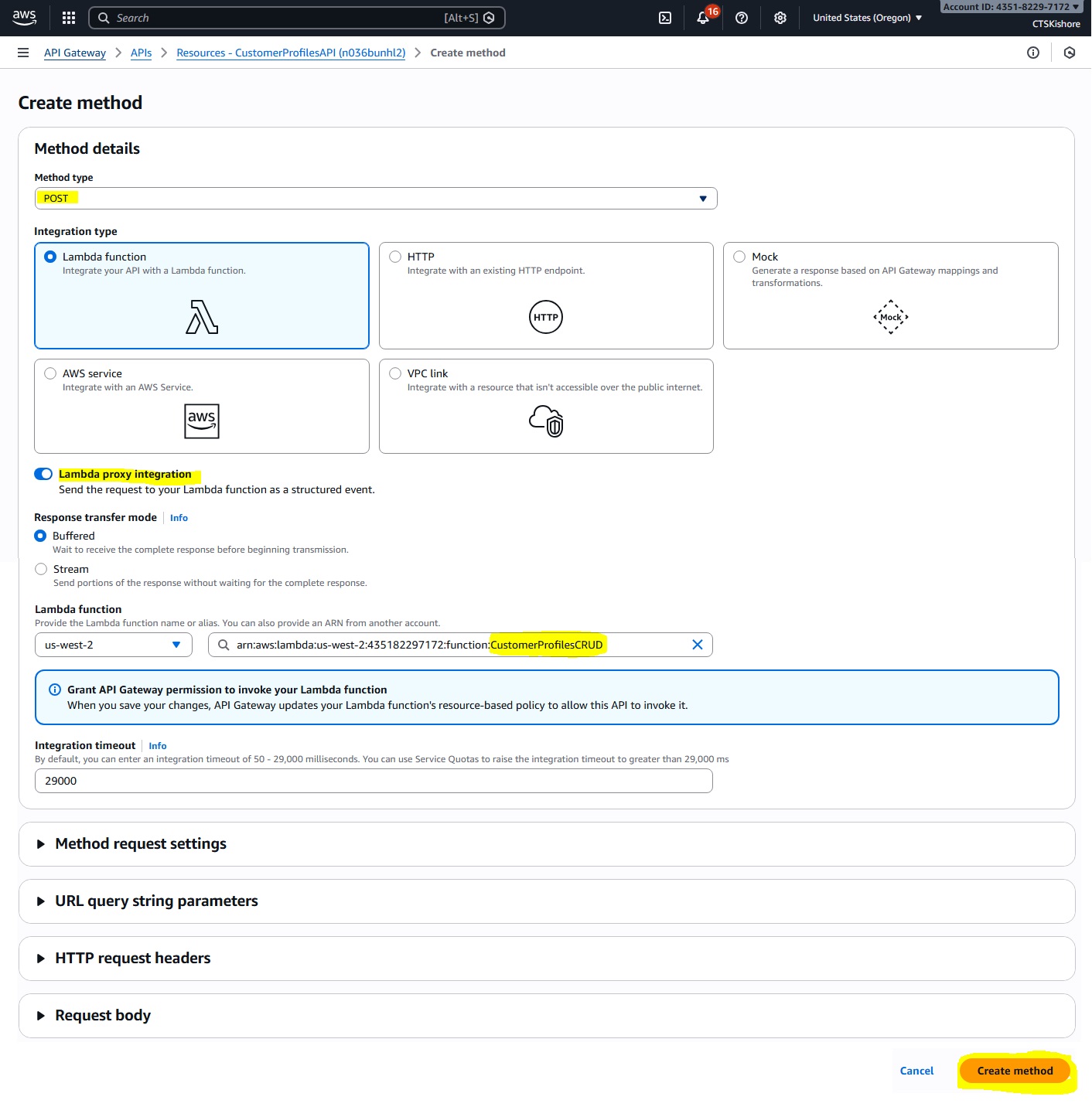
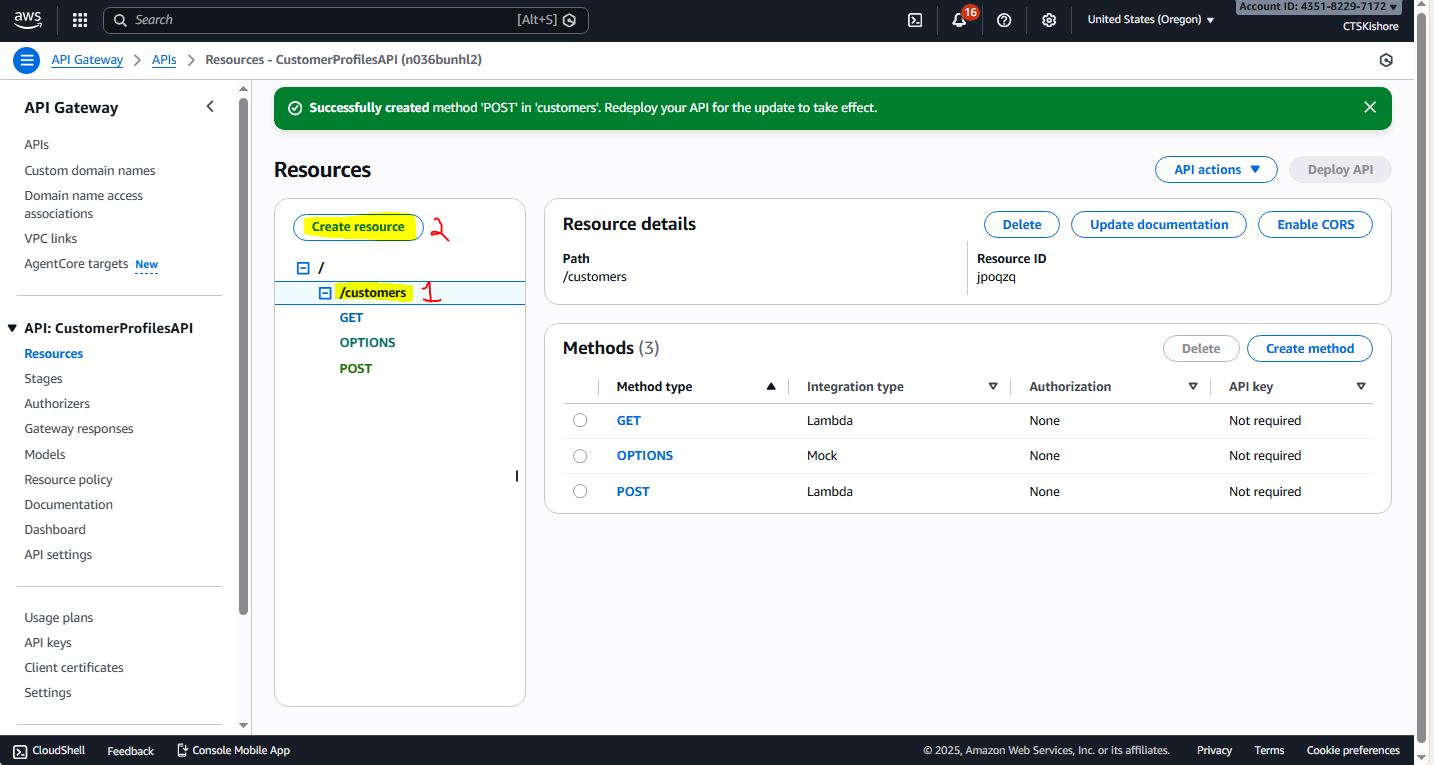
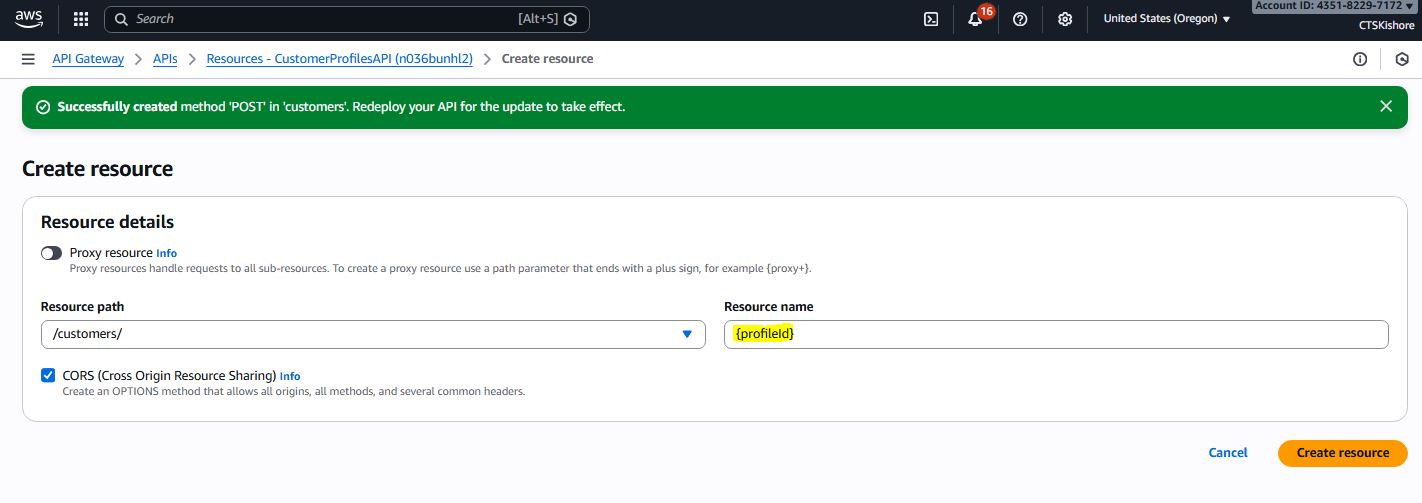
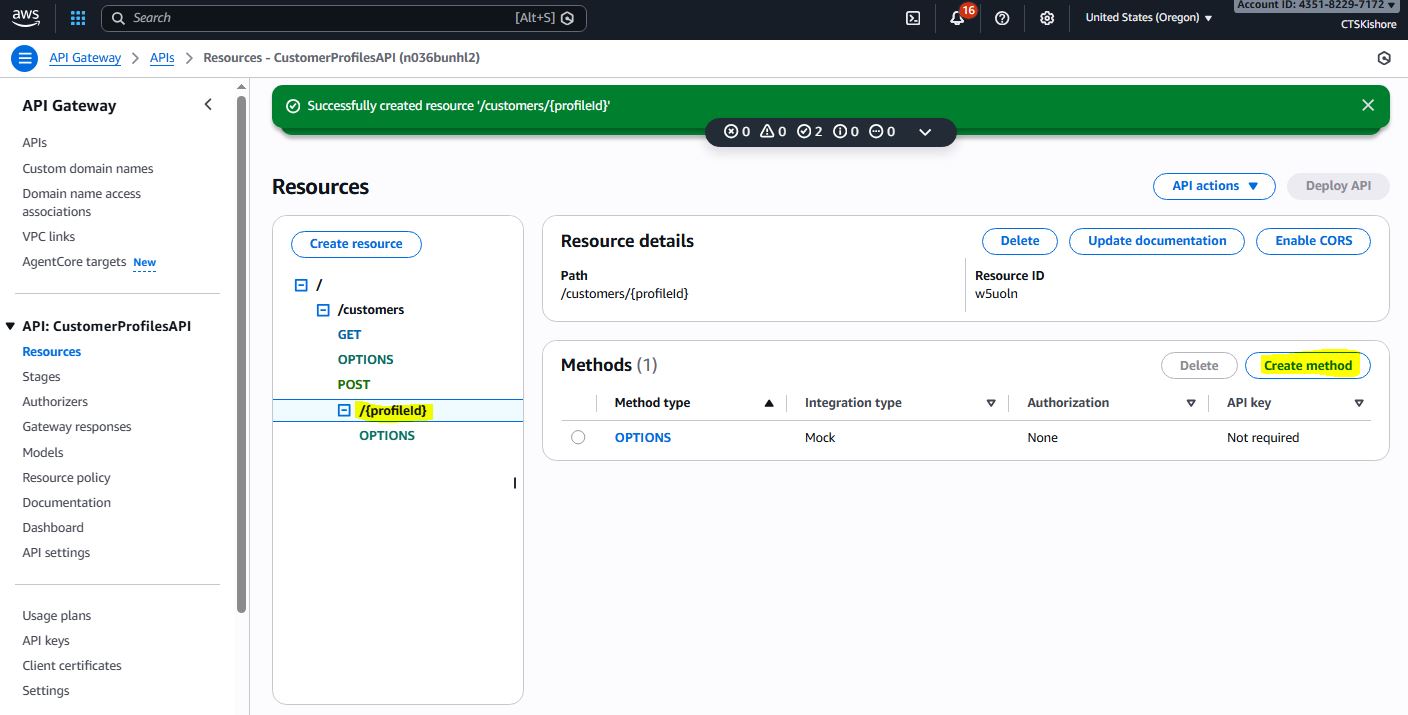
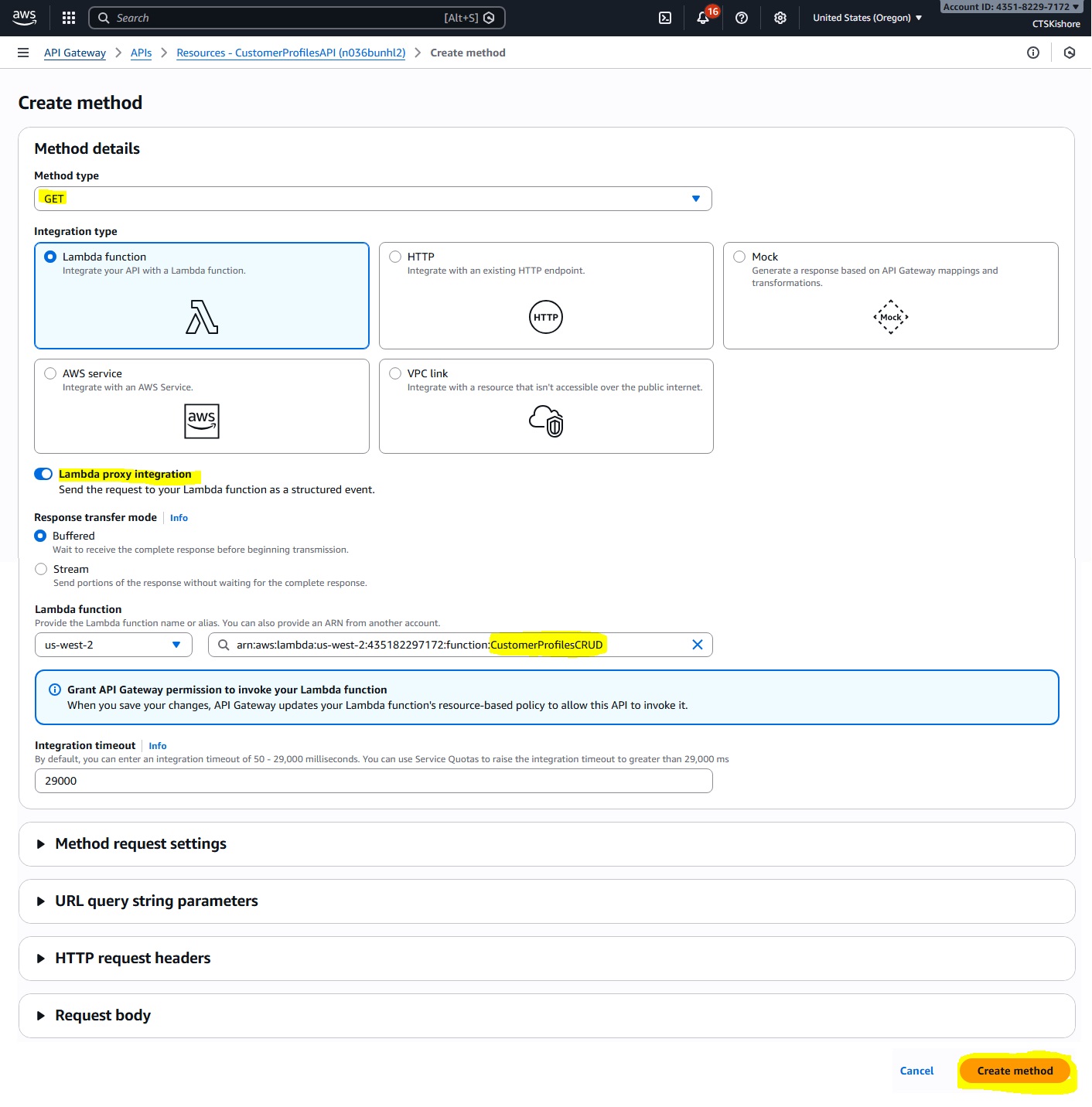
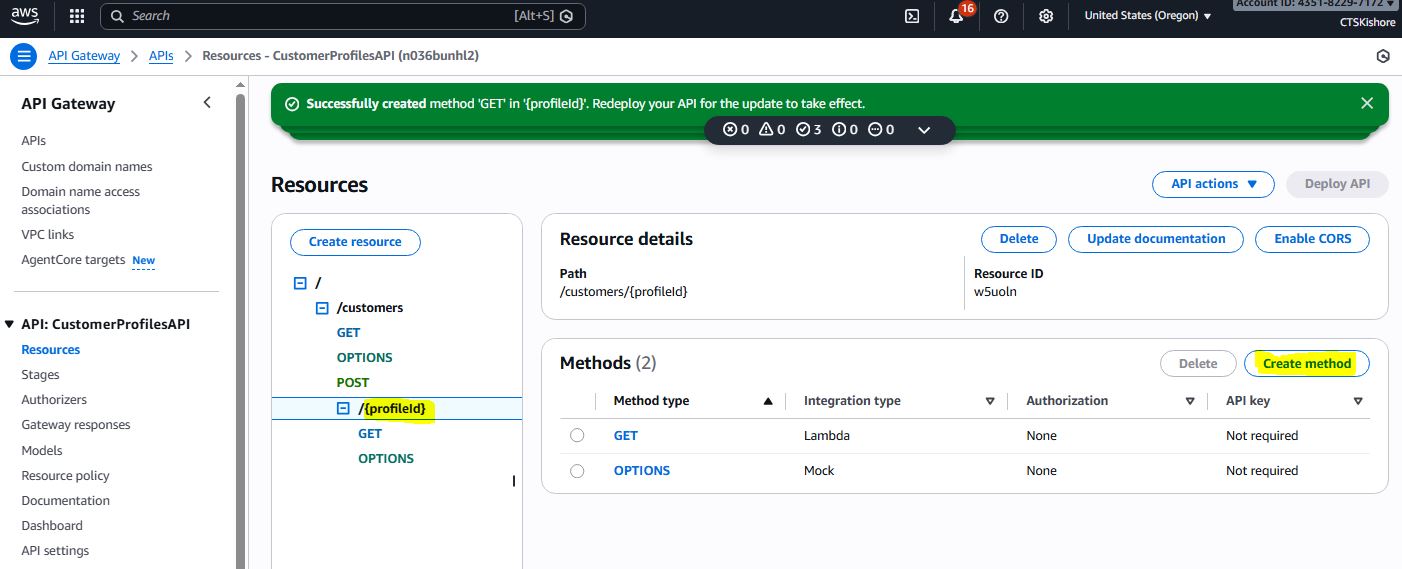
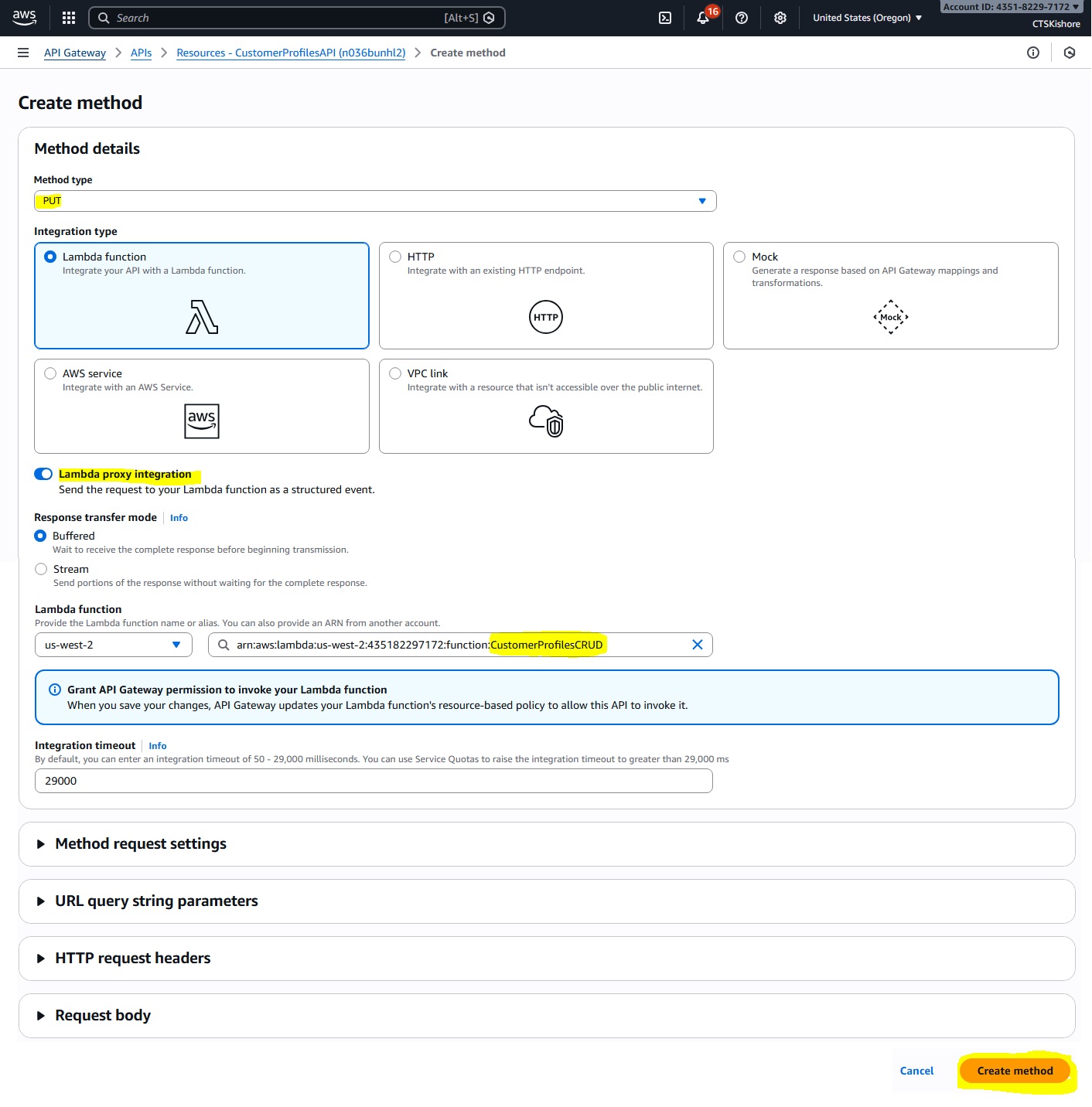

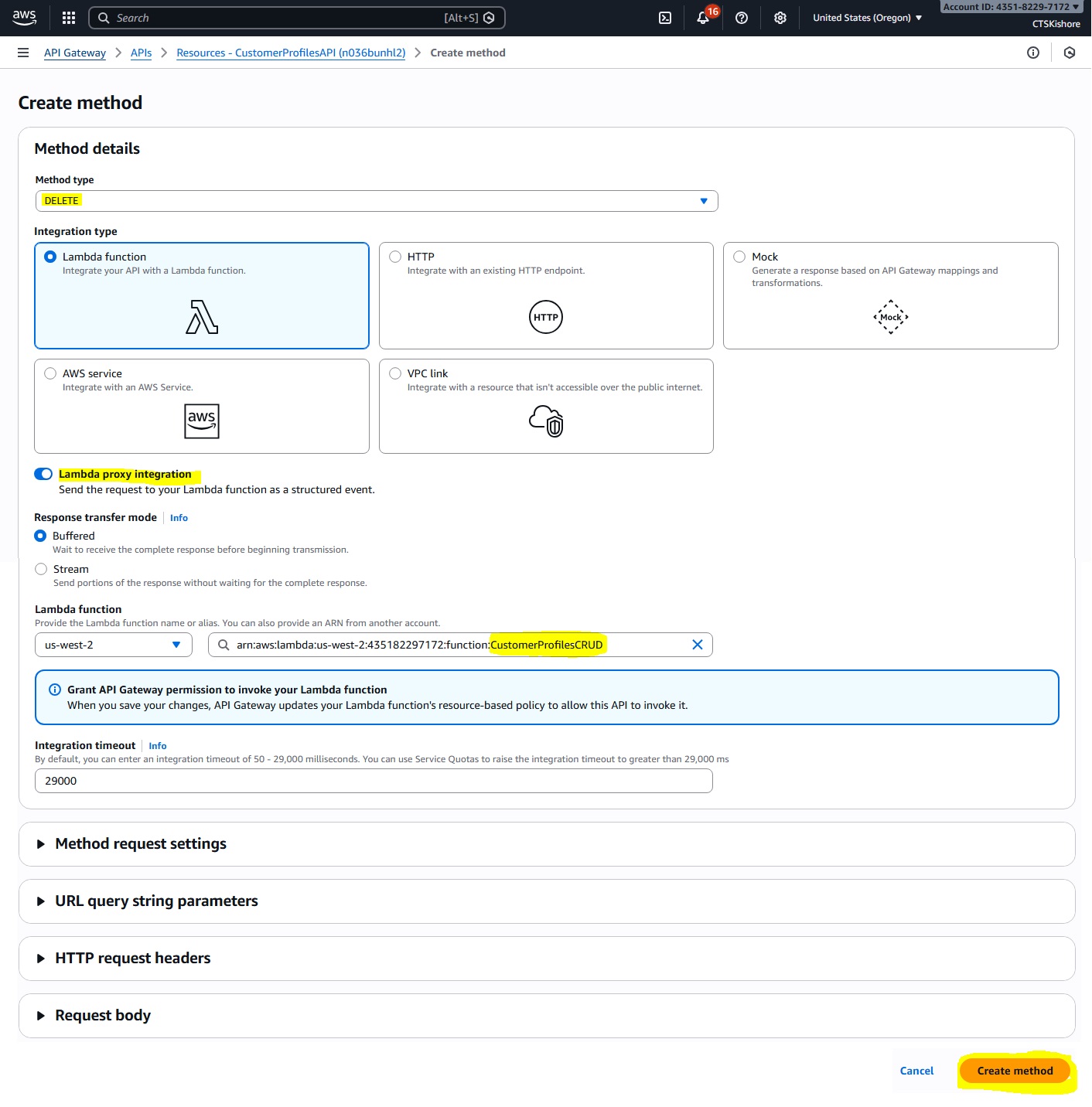
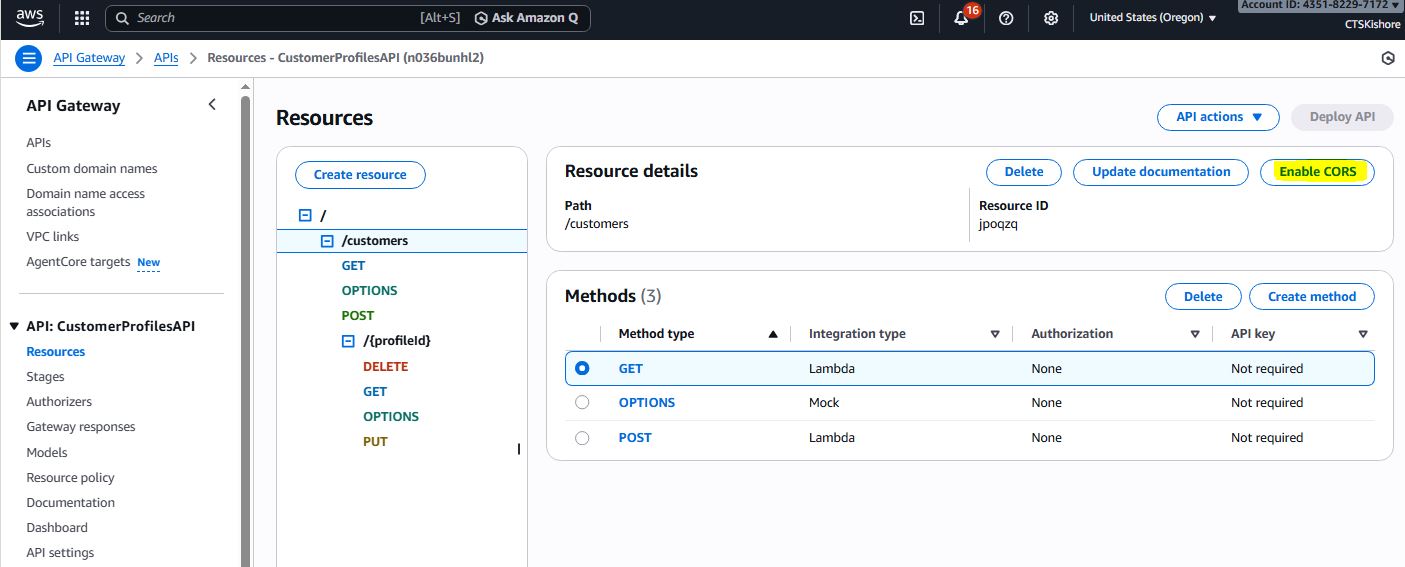
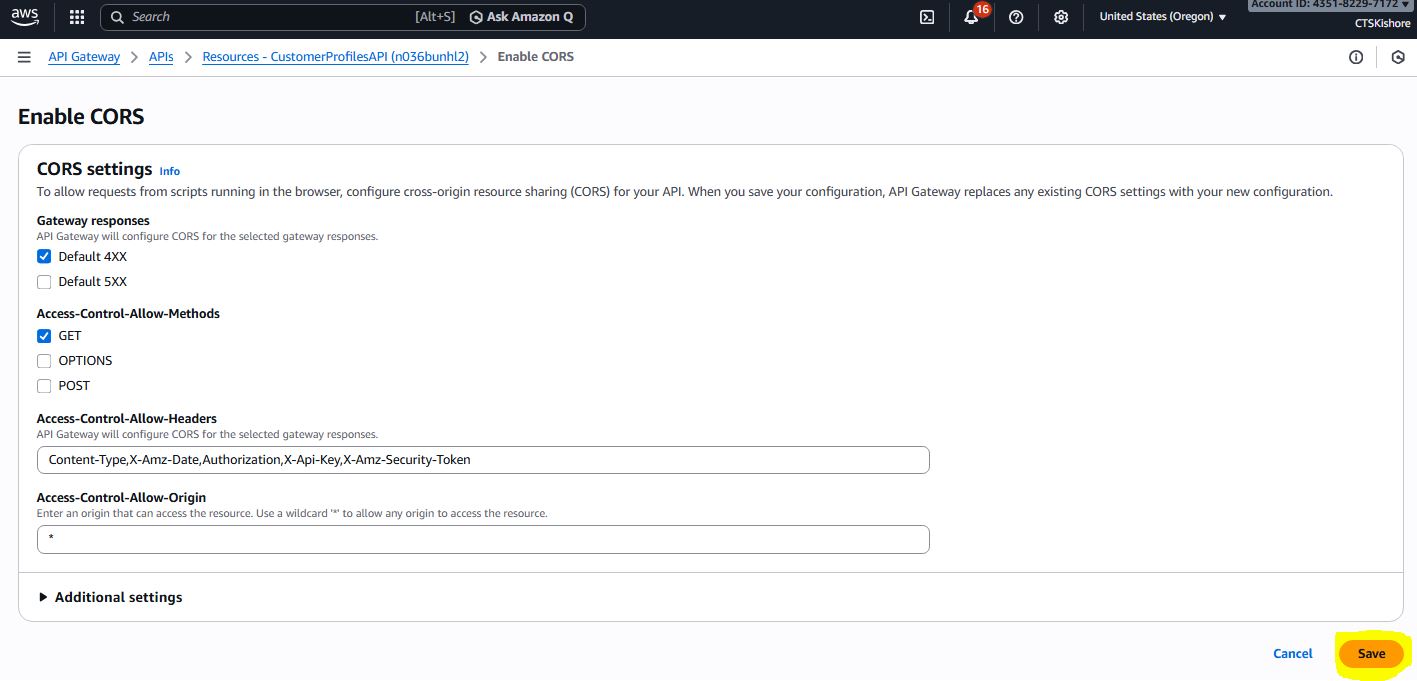
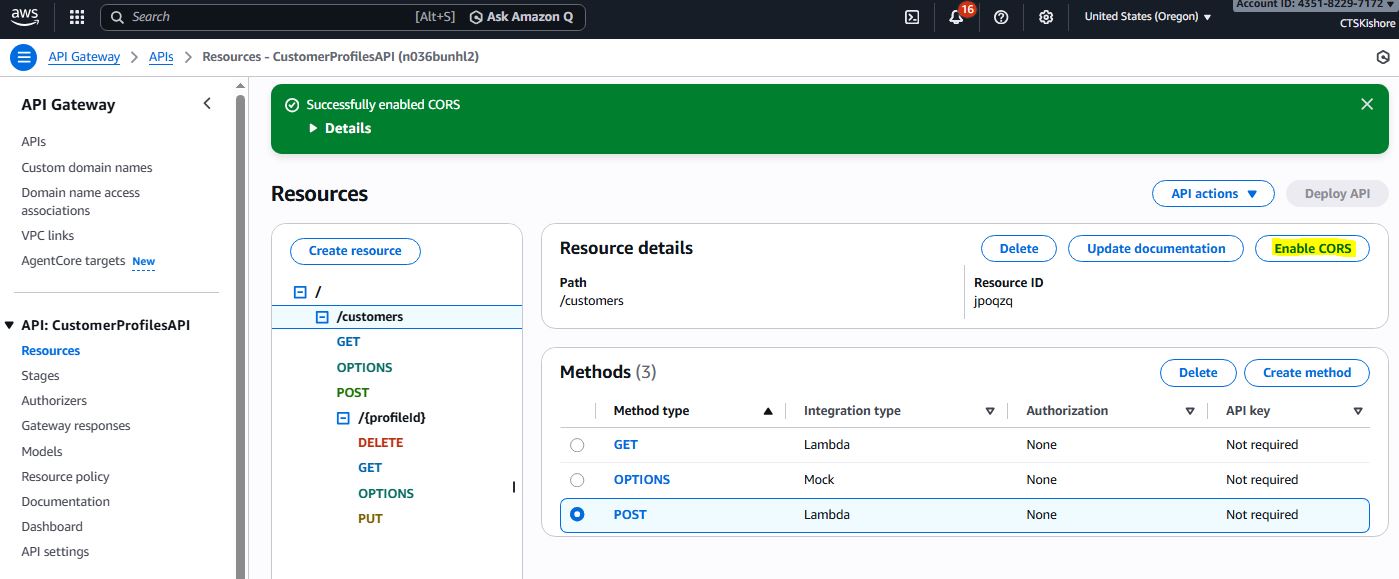
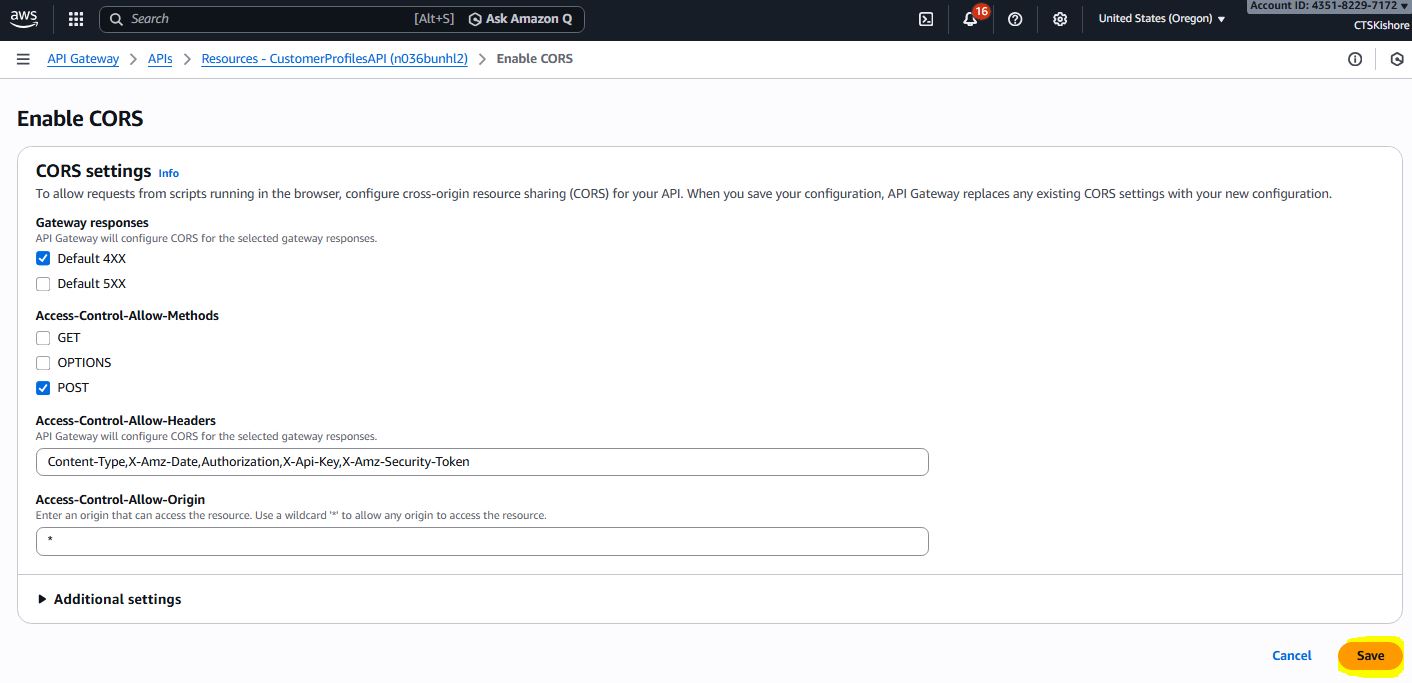
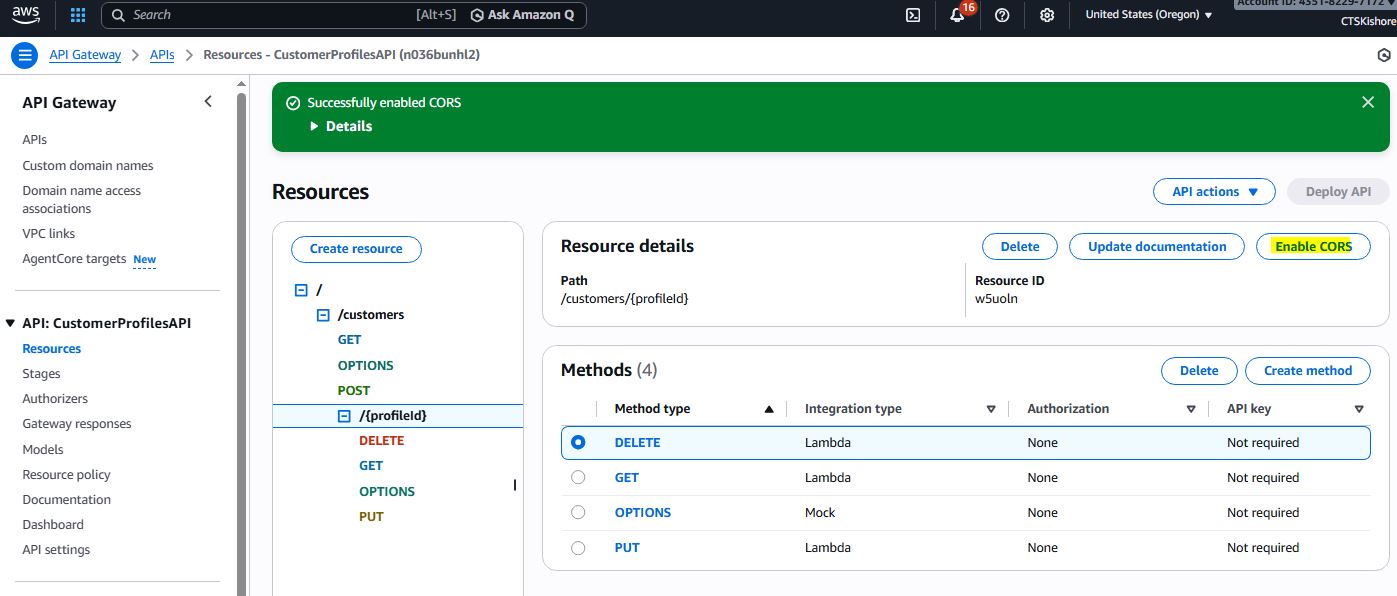
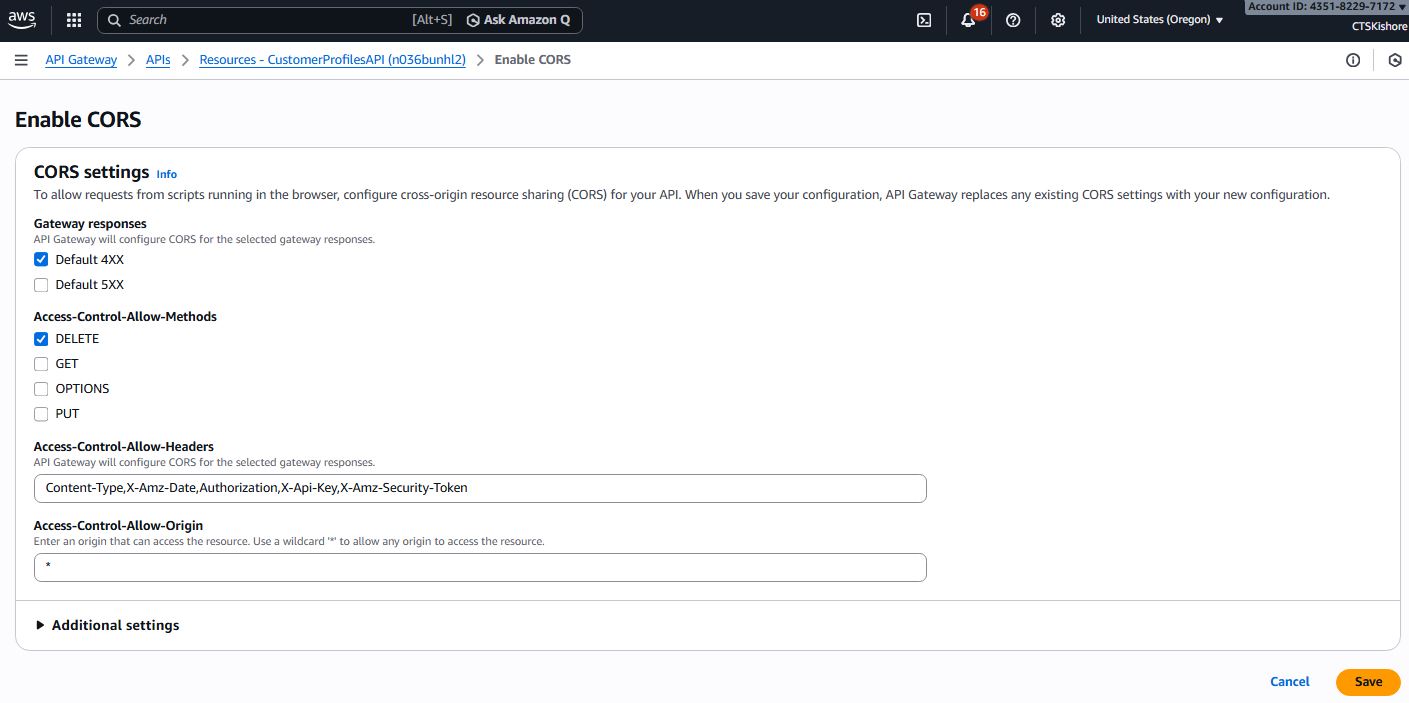
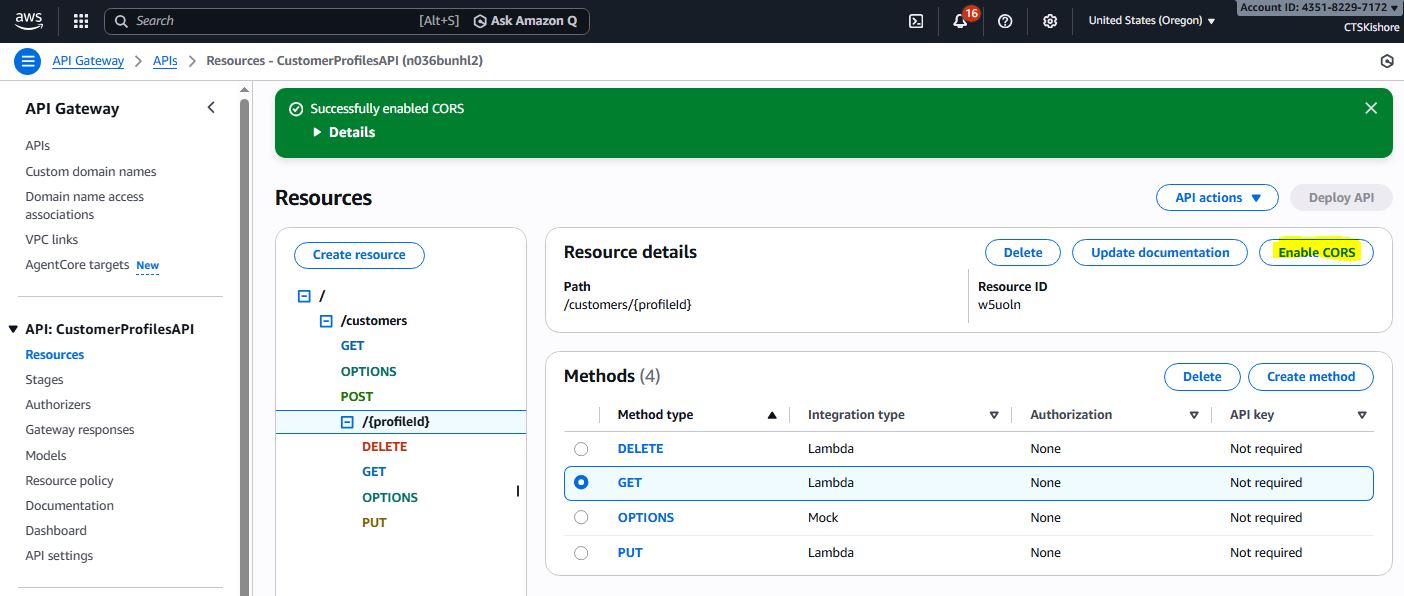
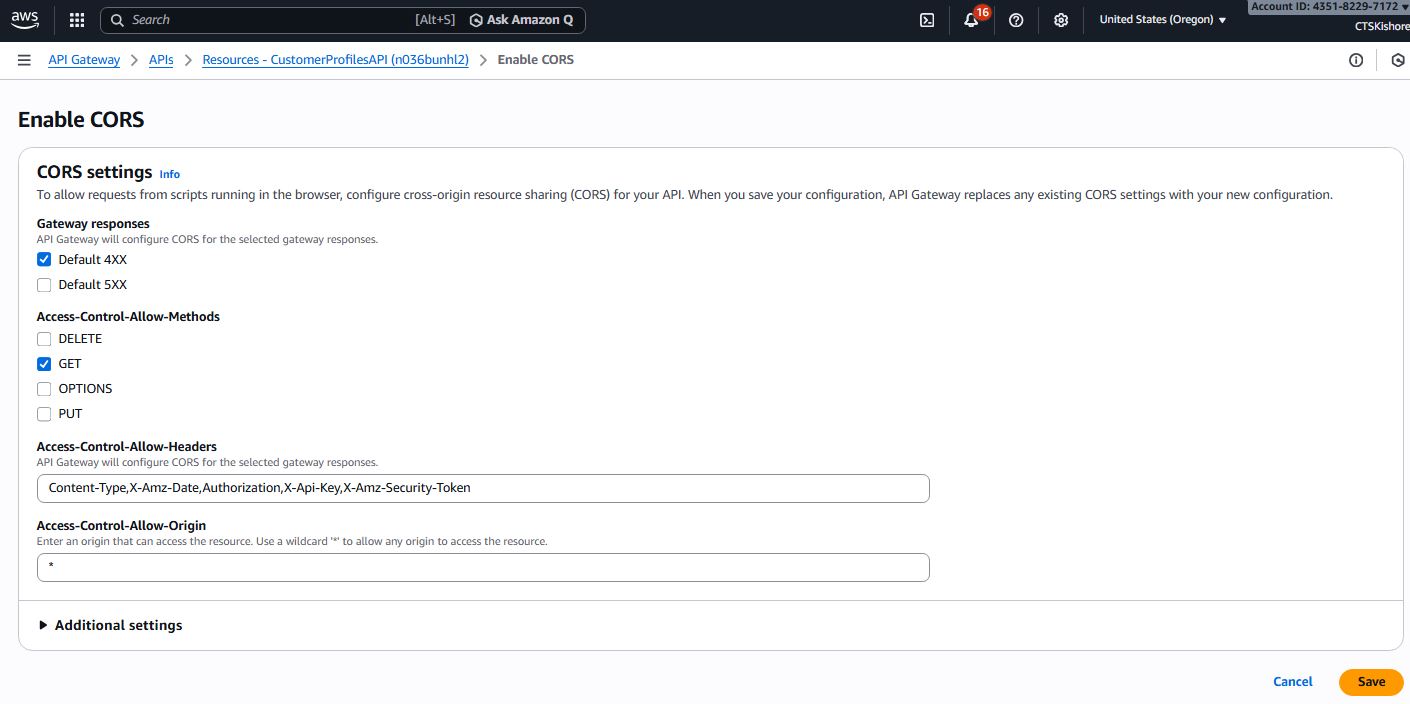

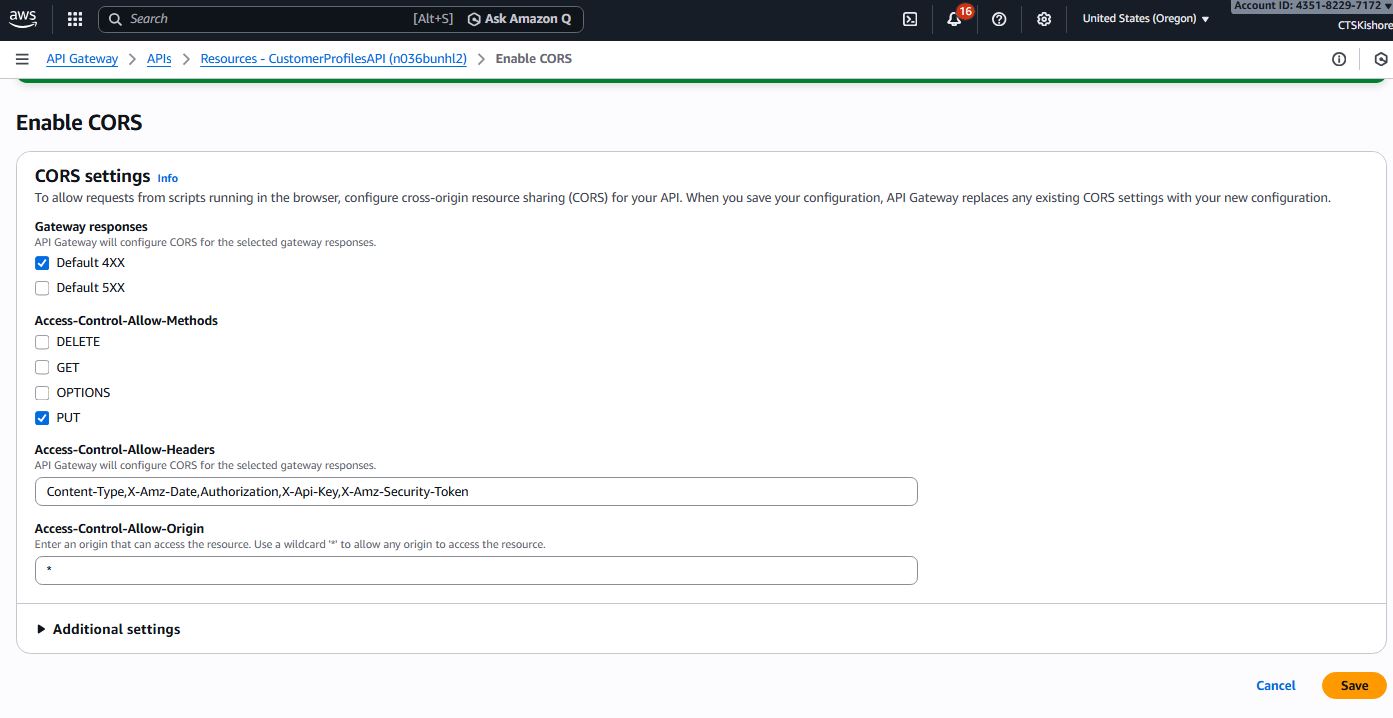
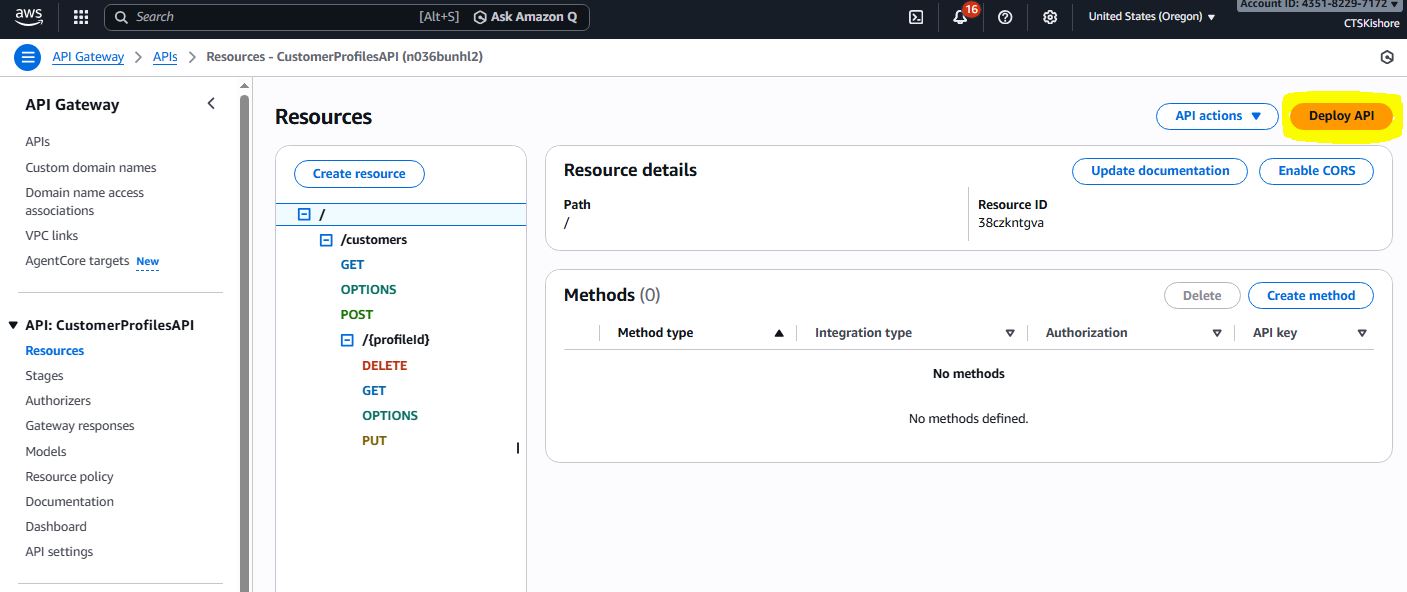
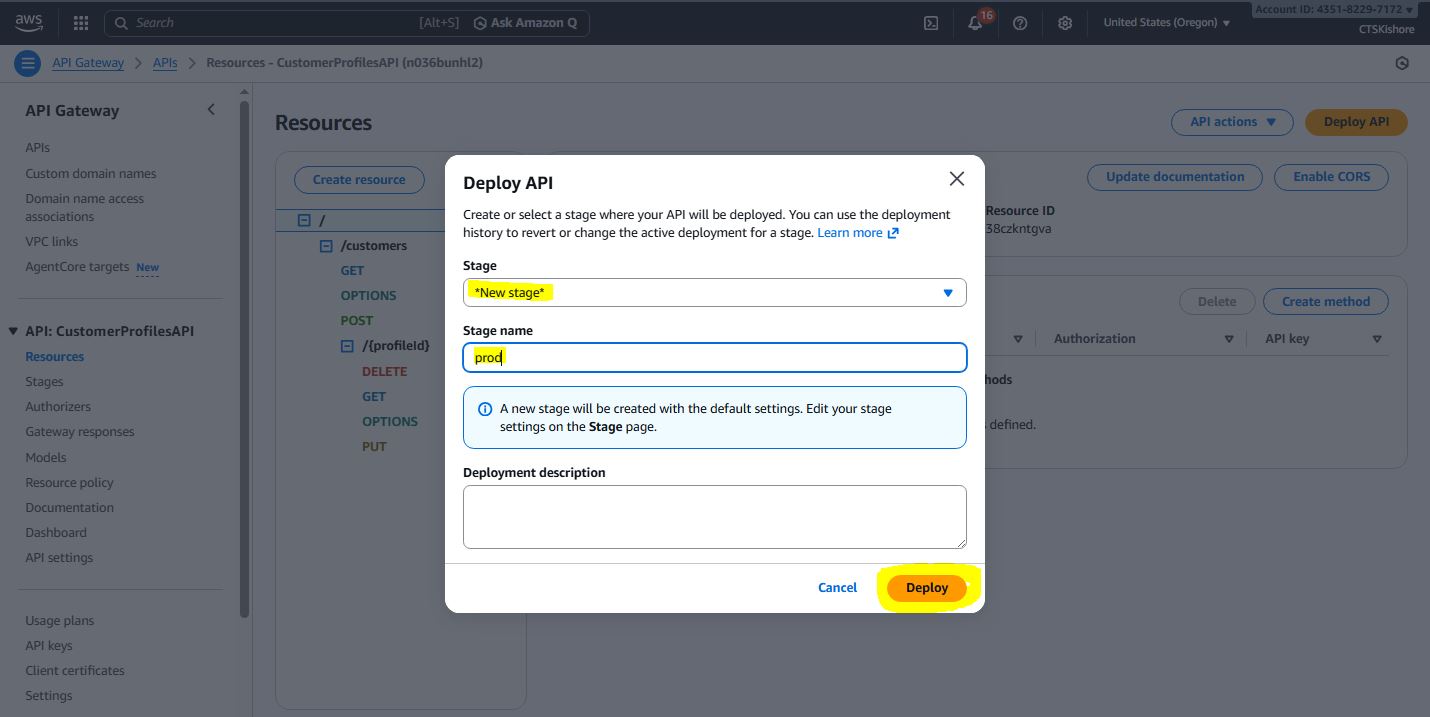

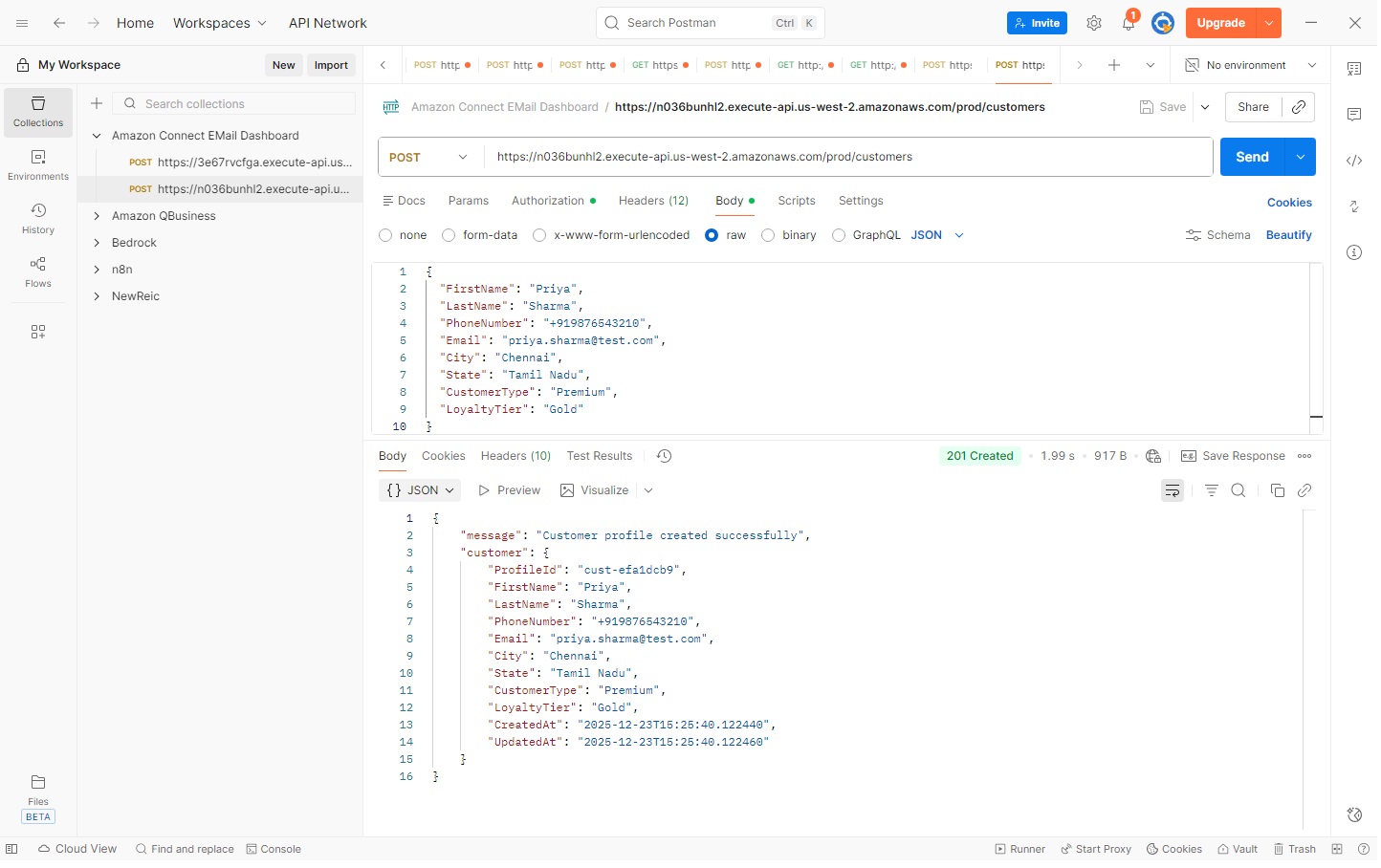
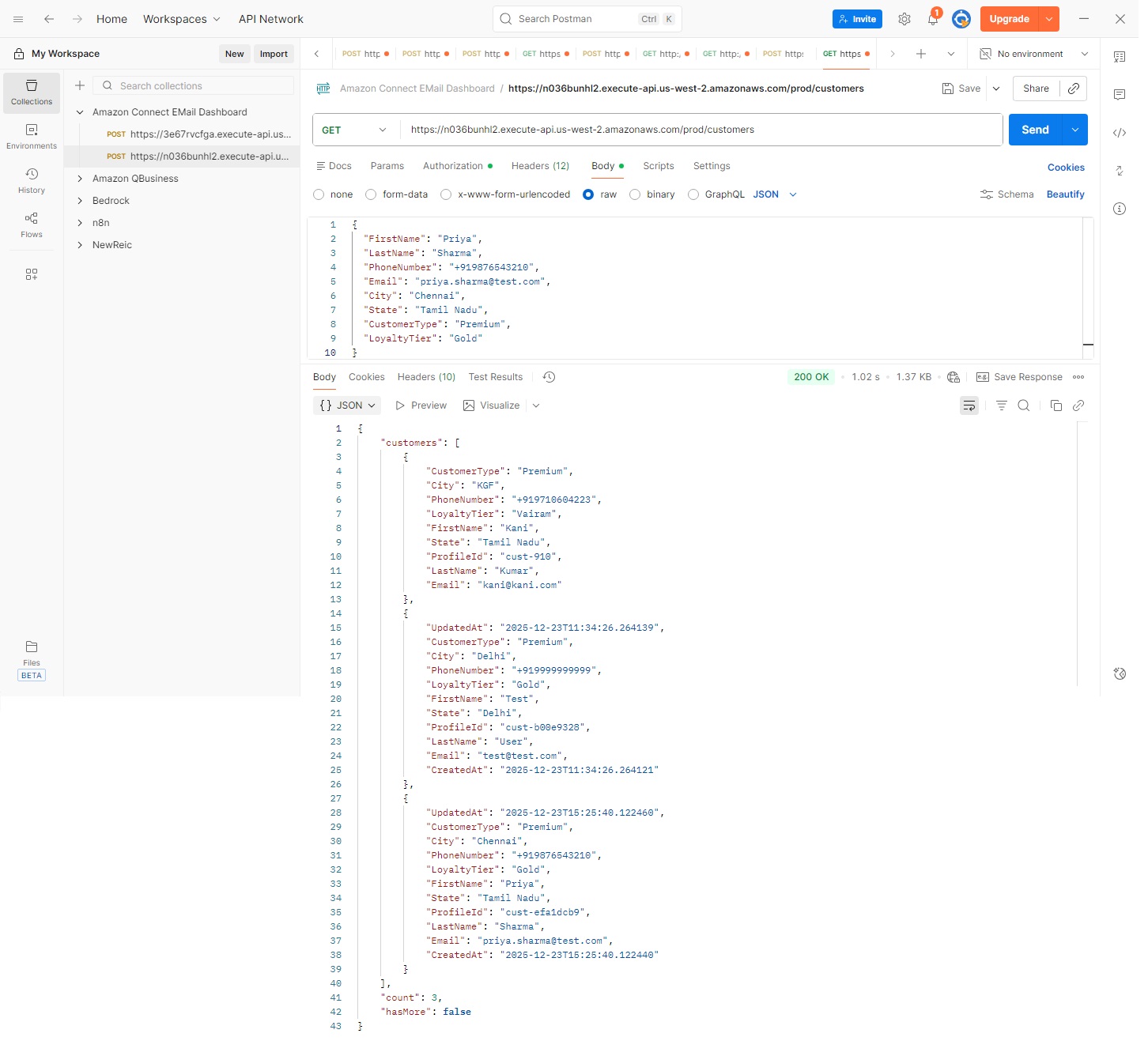
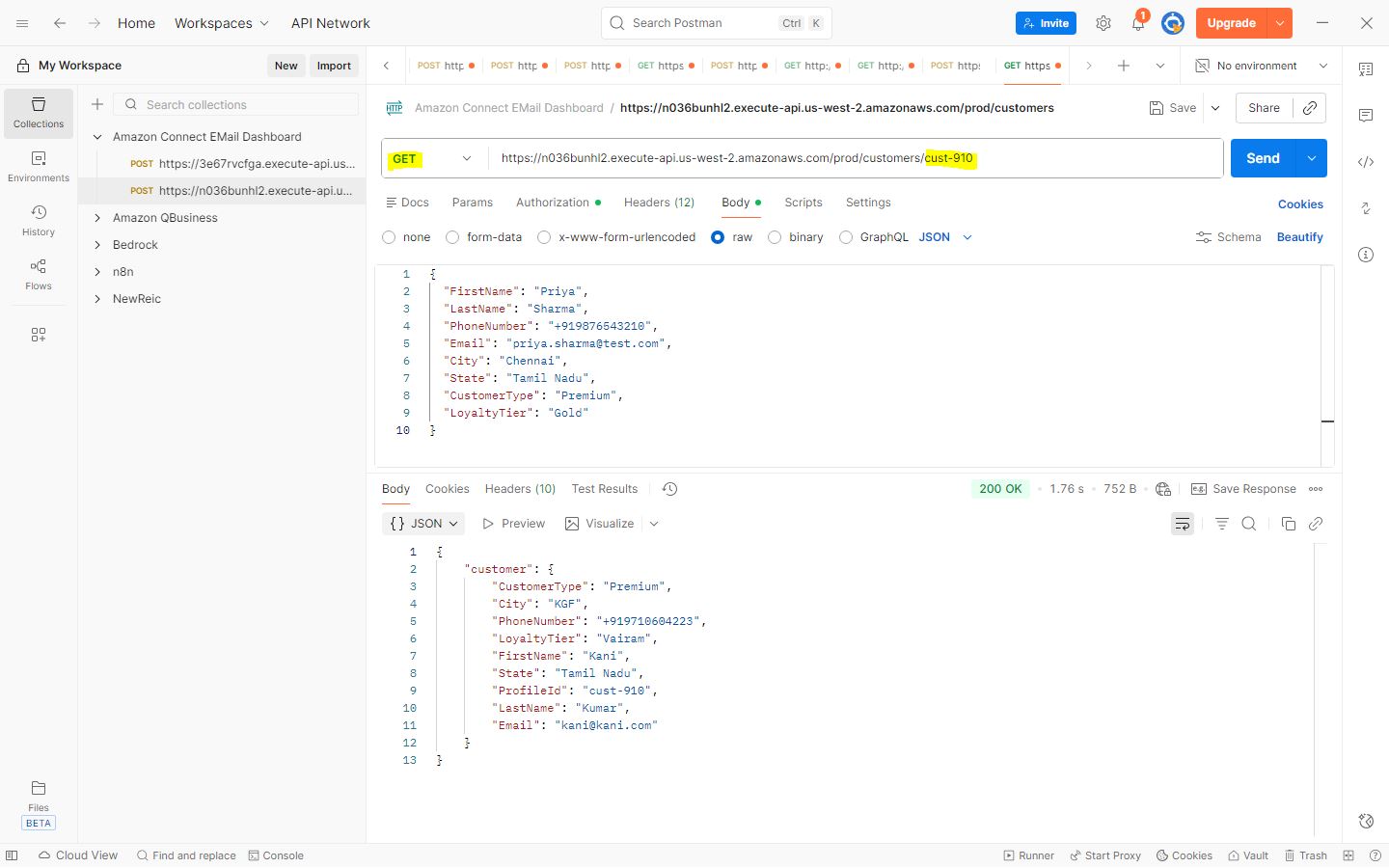
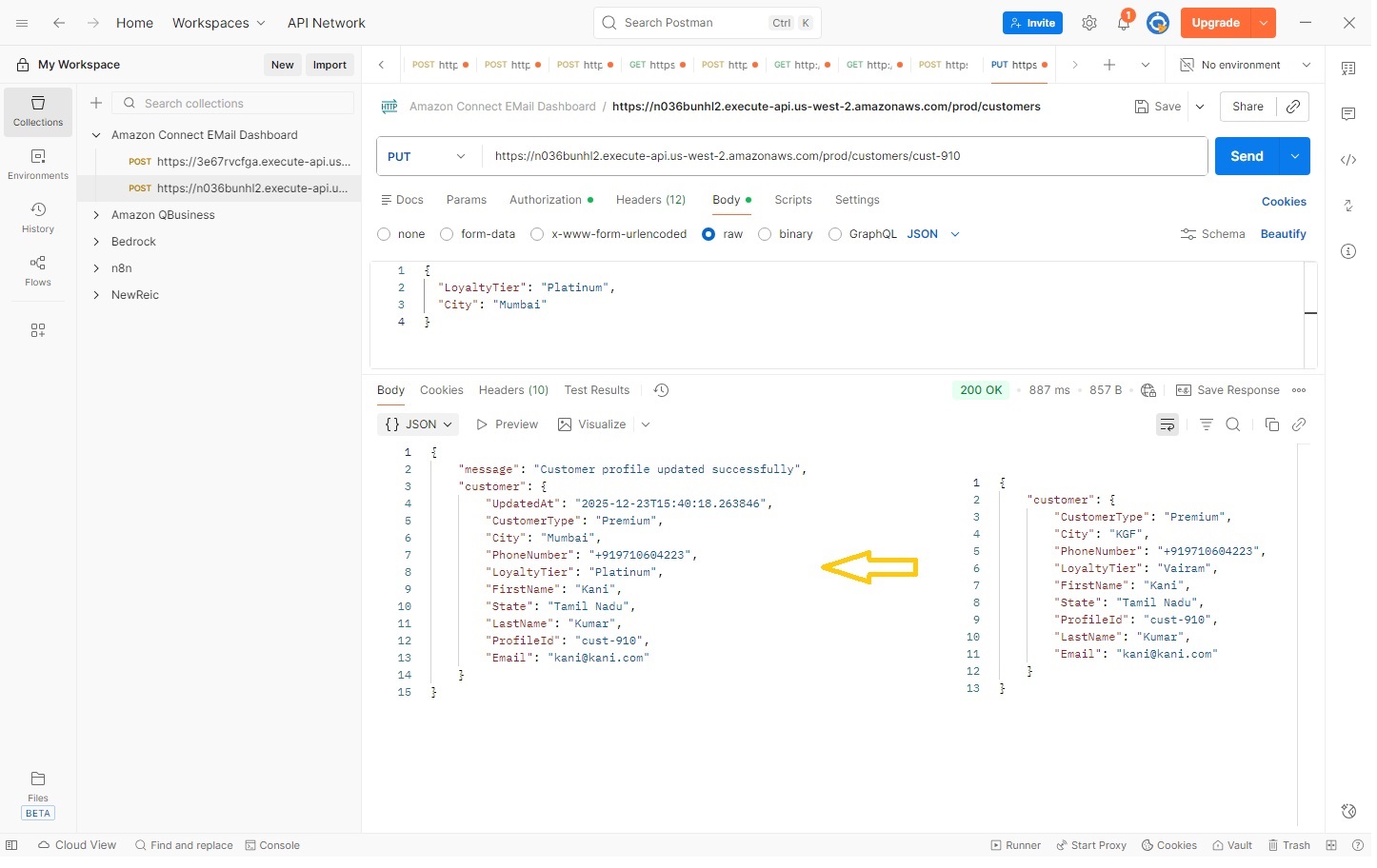
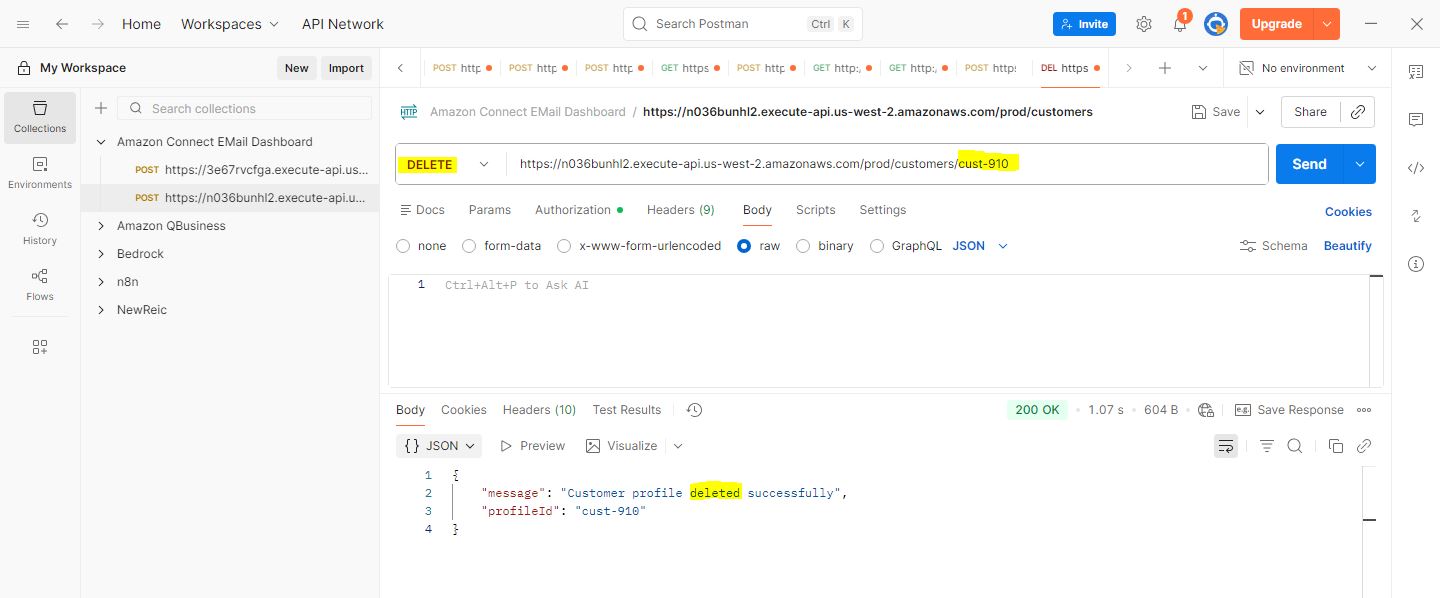
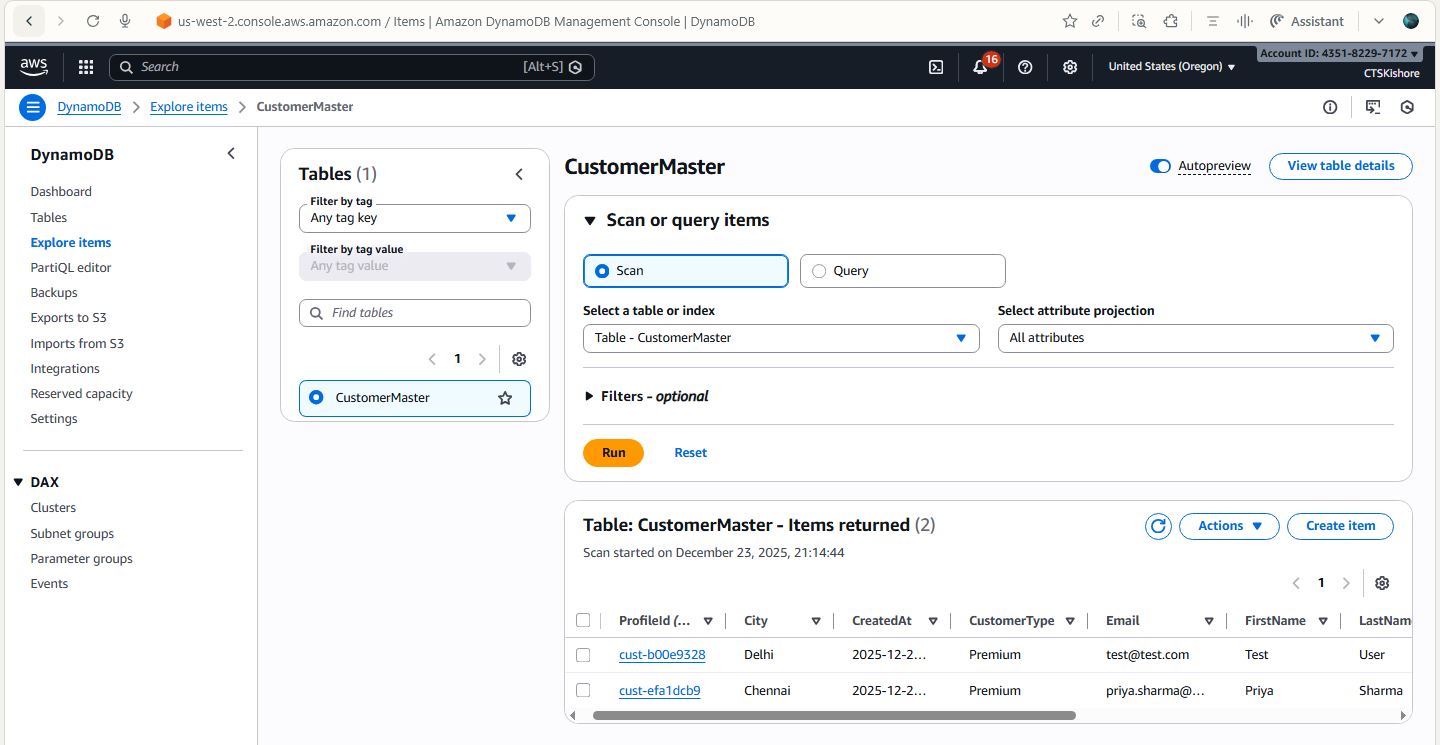
DynamoDB Data - JSON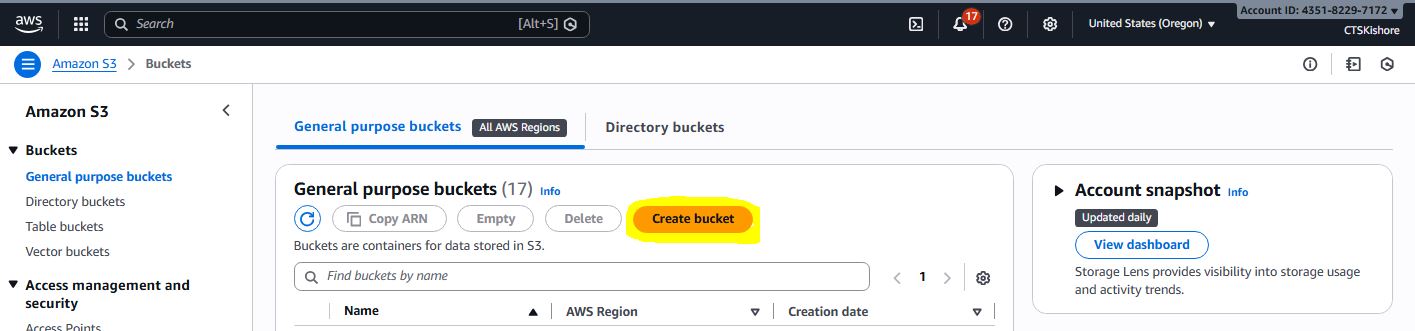
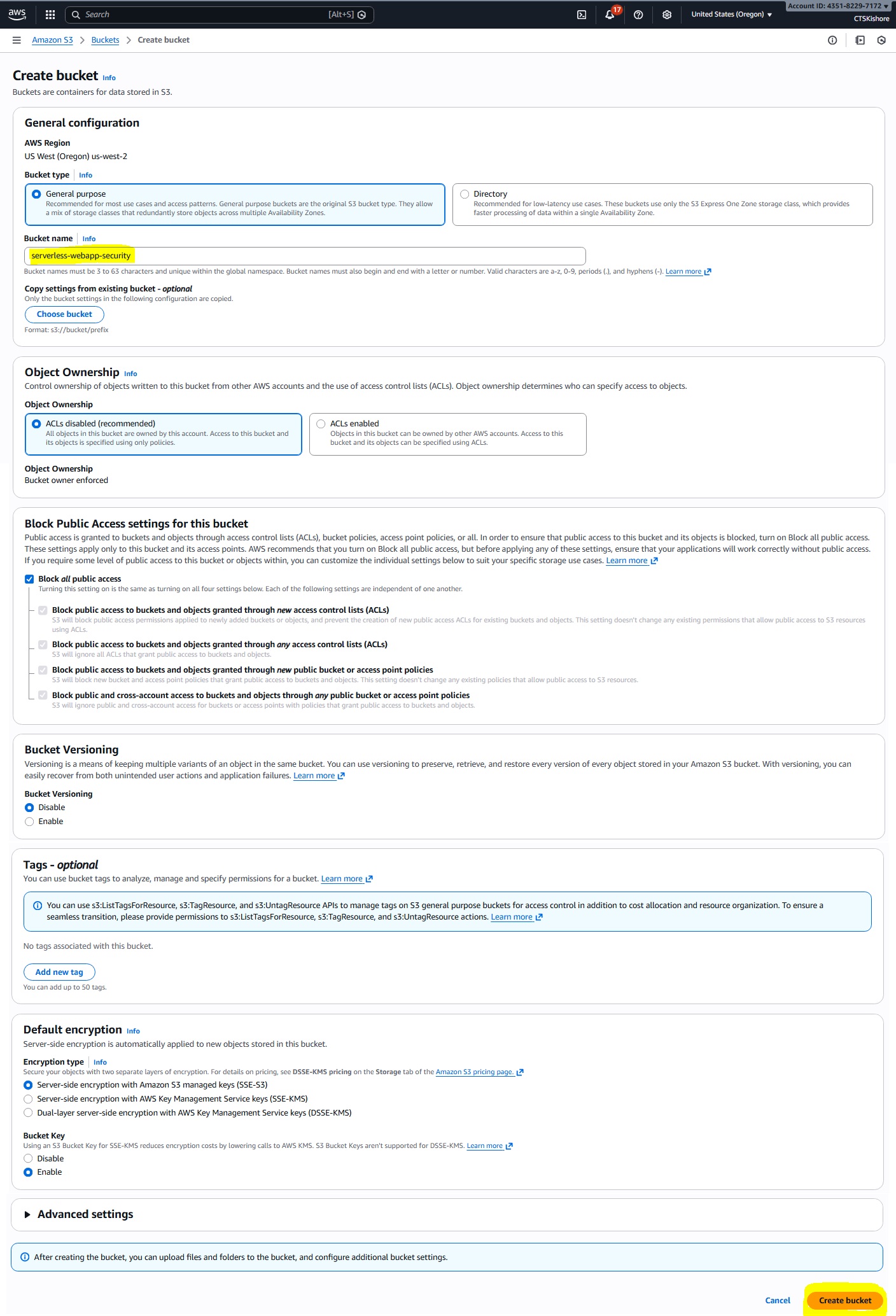
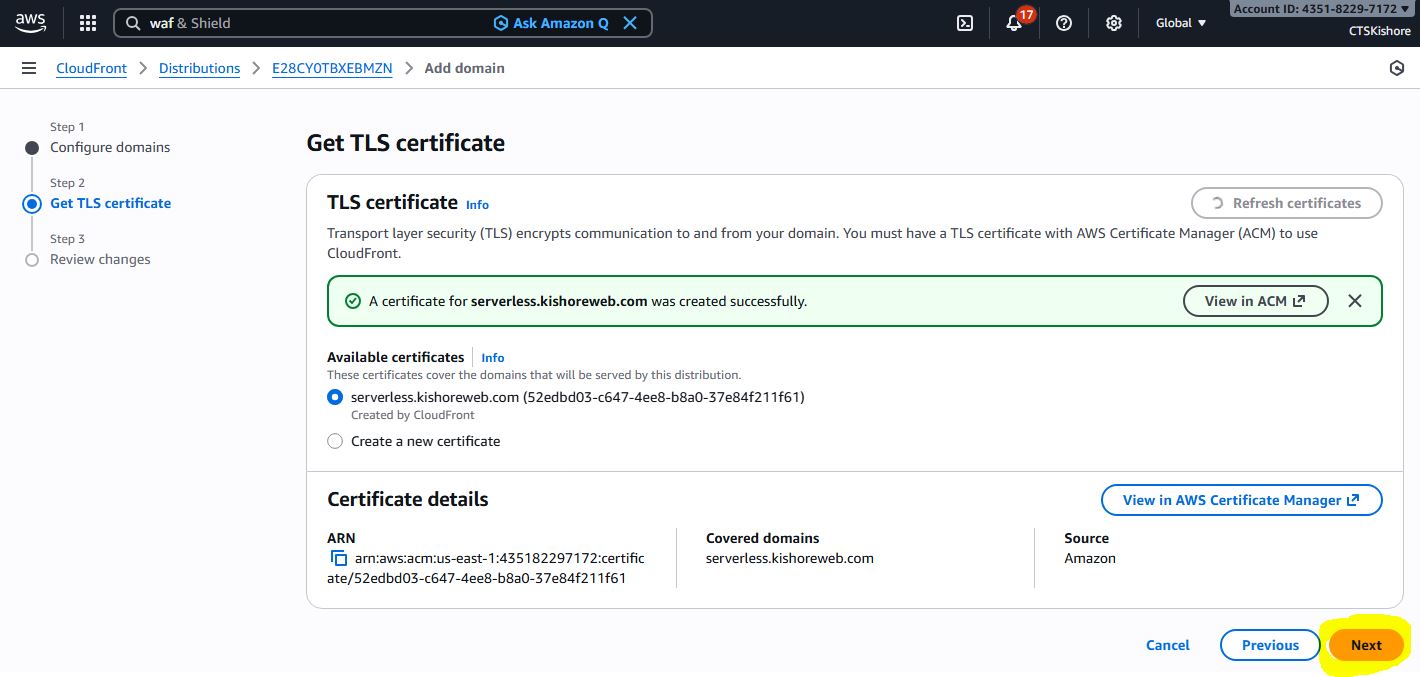
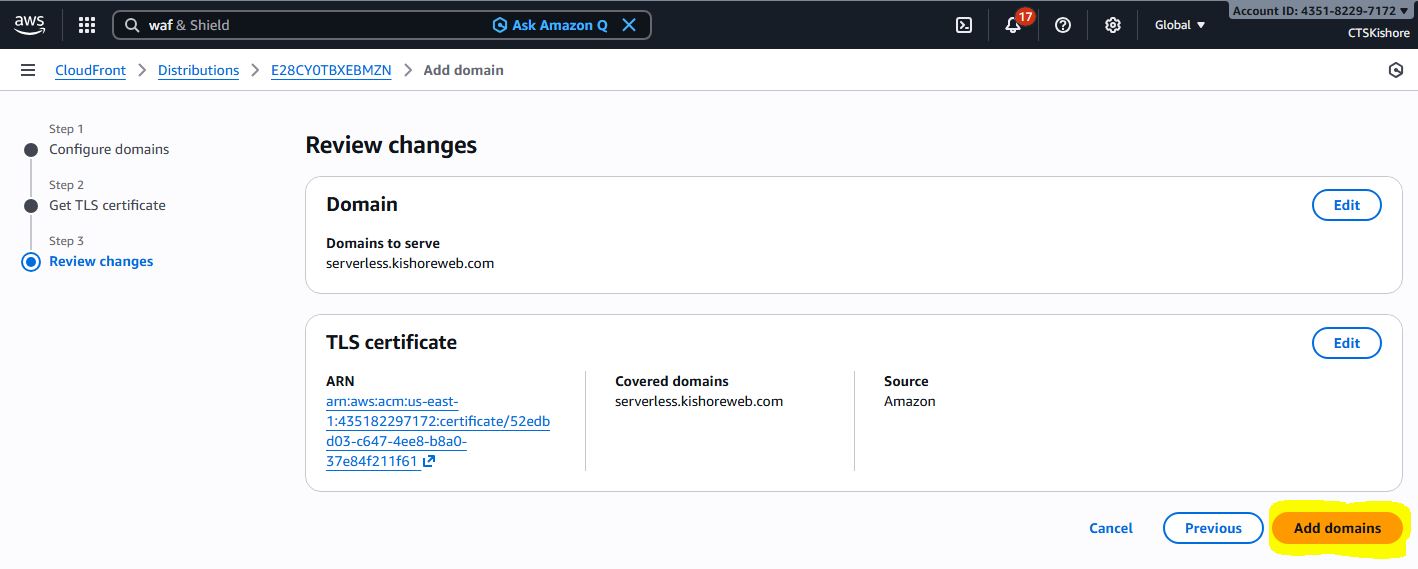
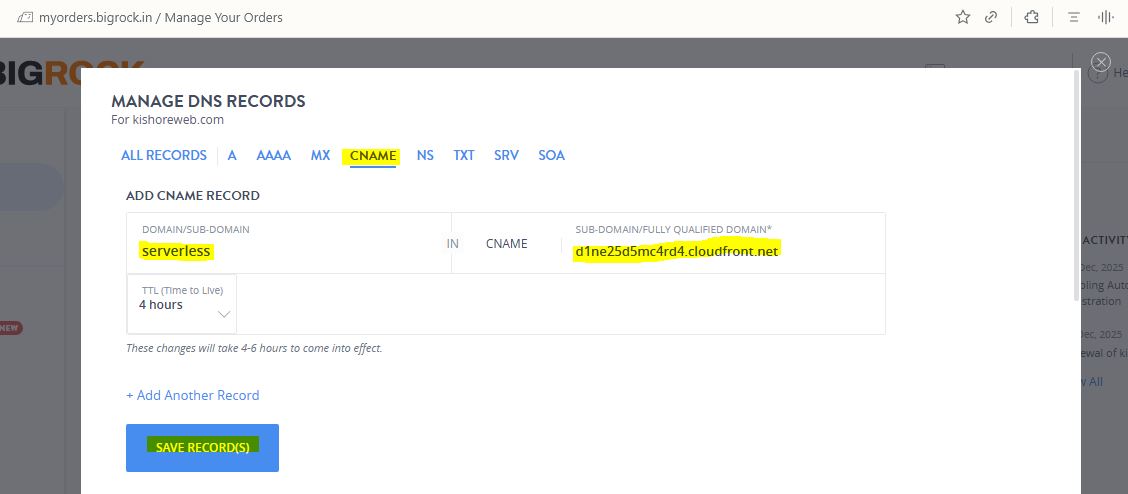
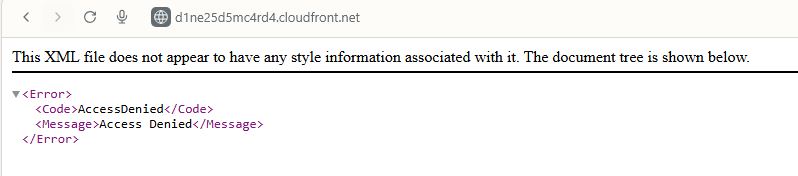
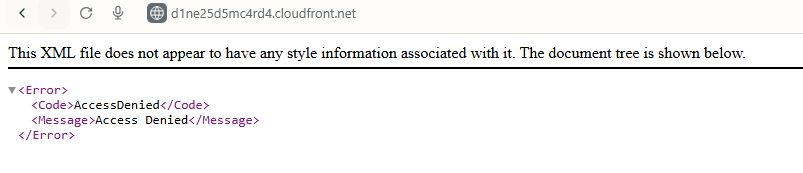
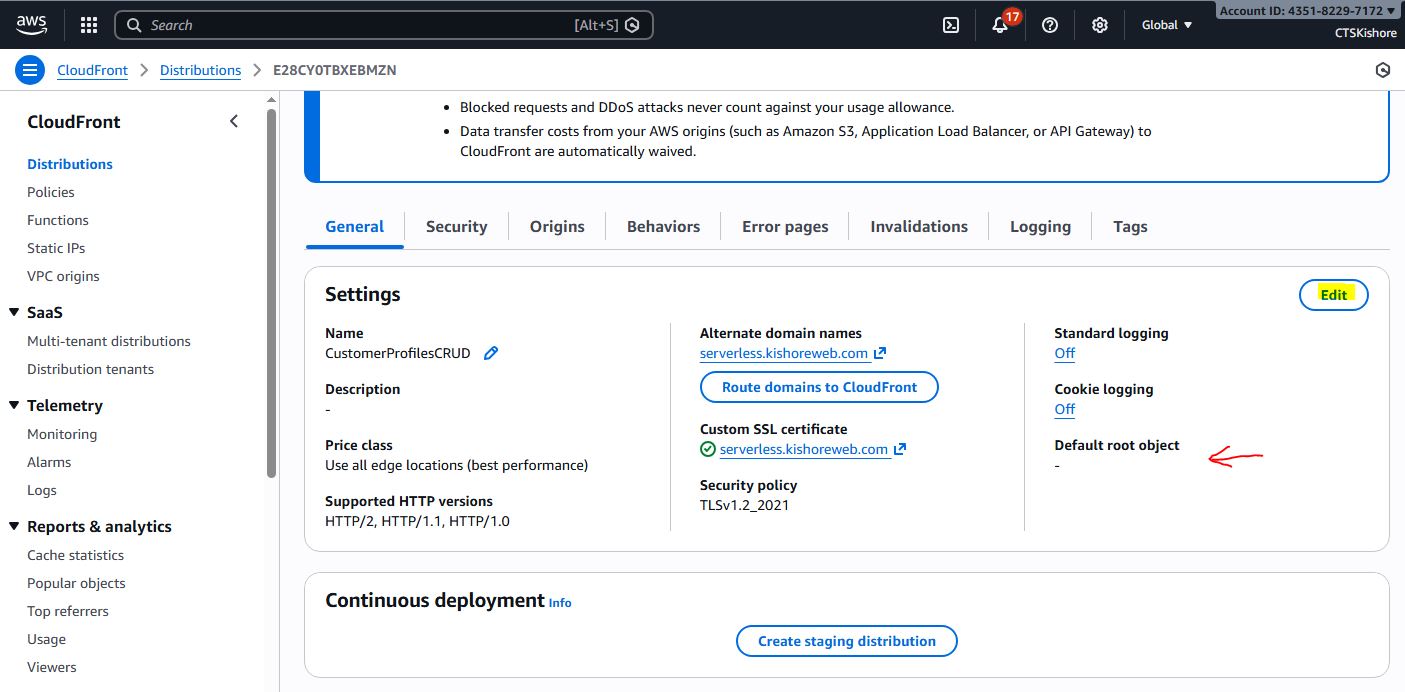
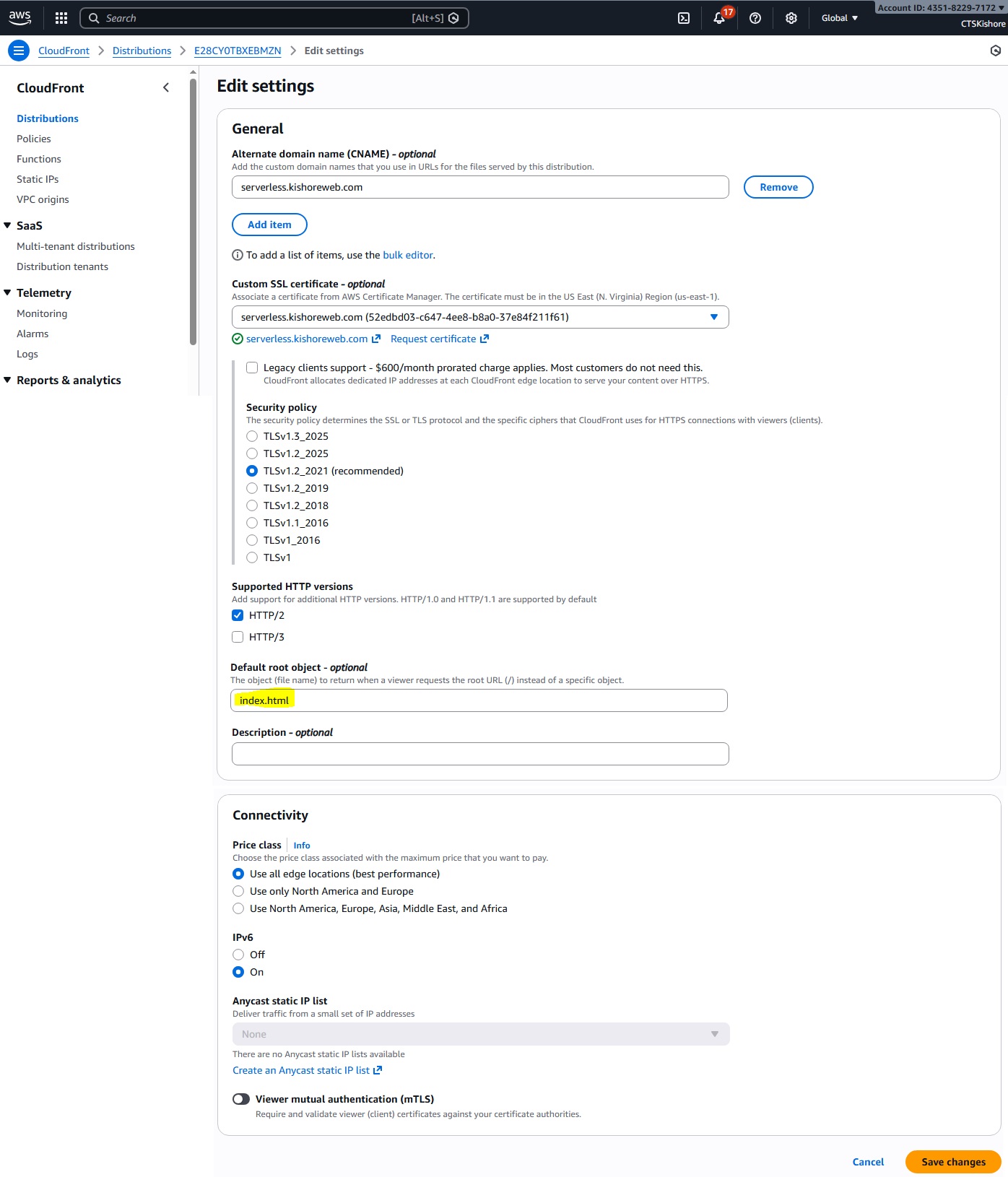
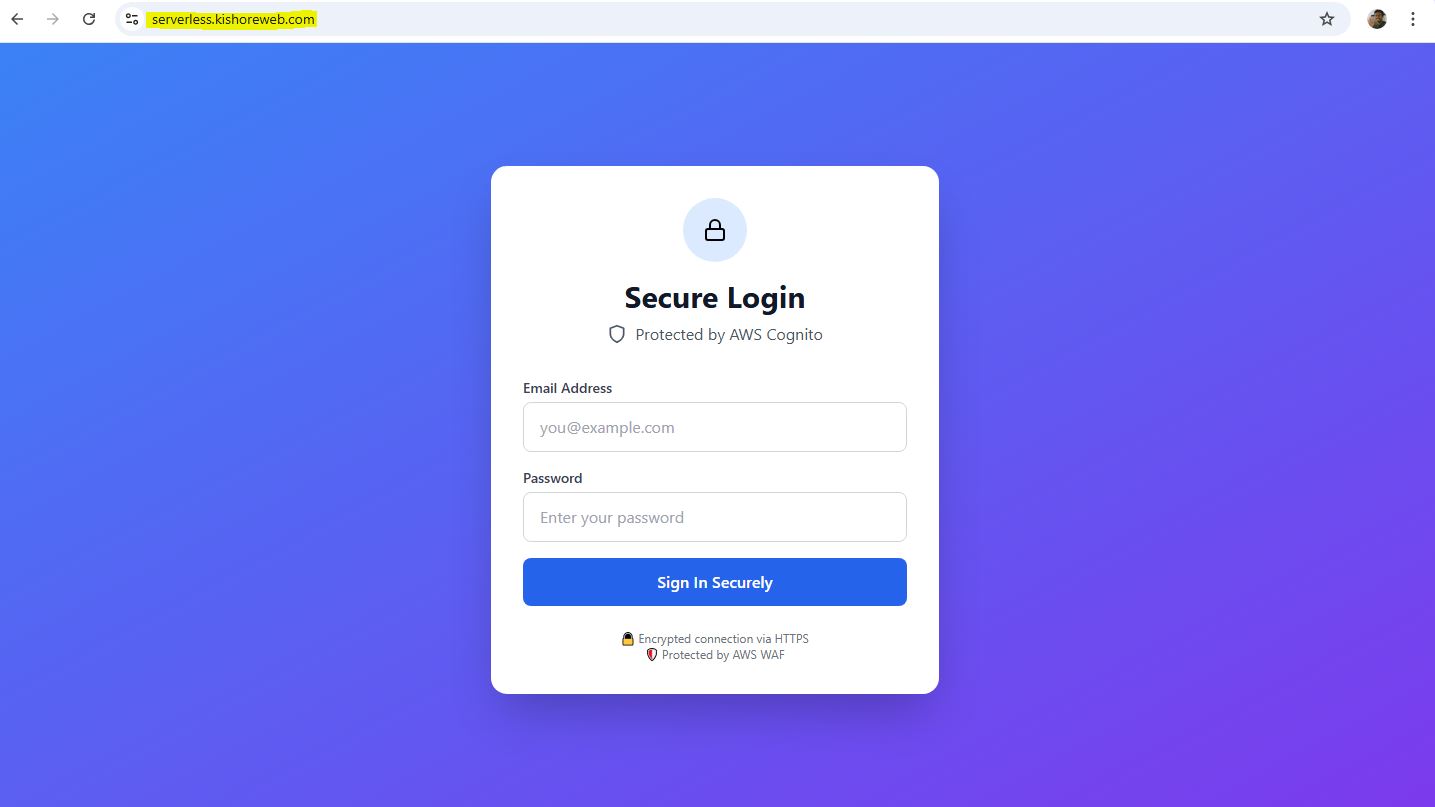
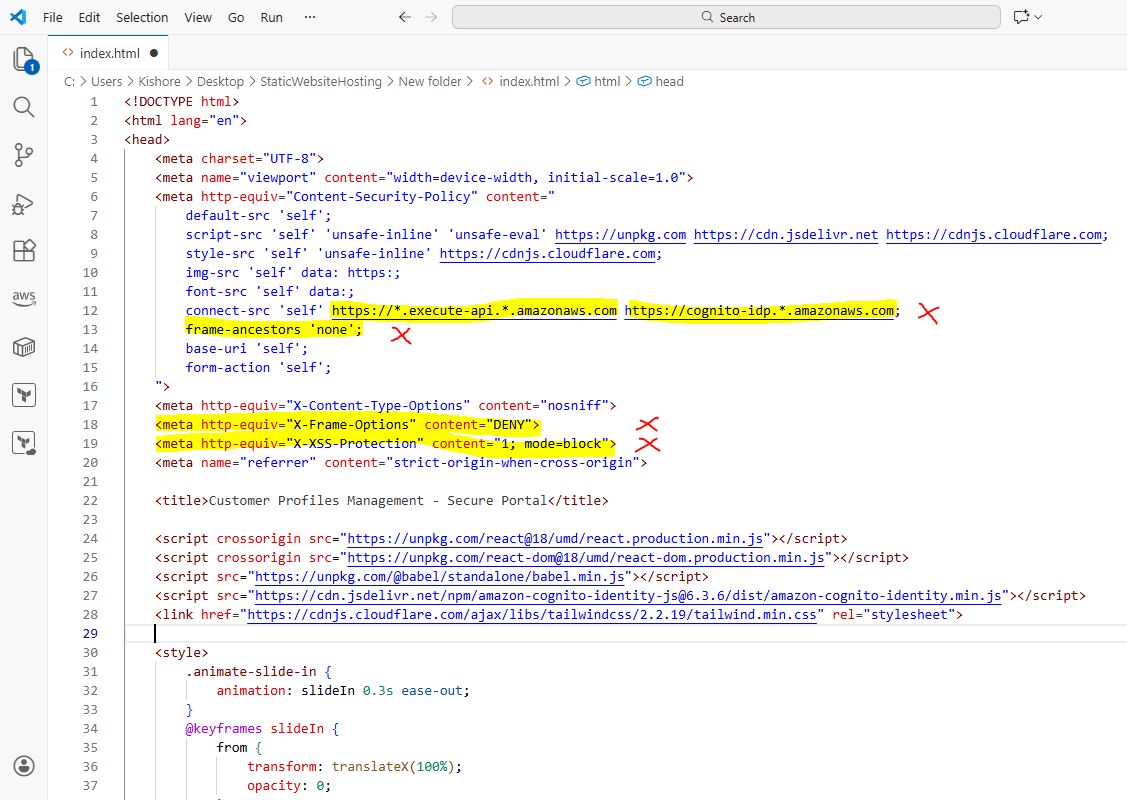
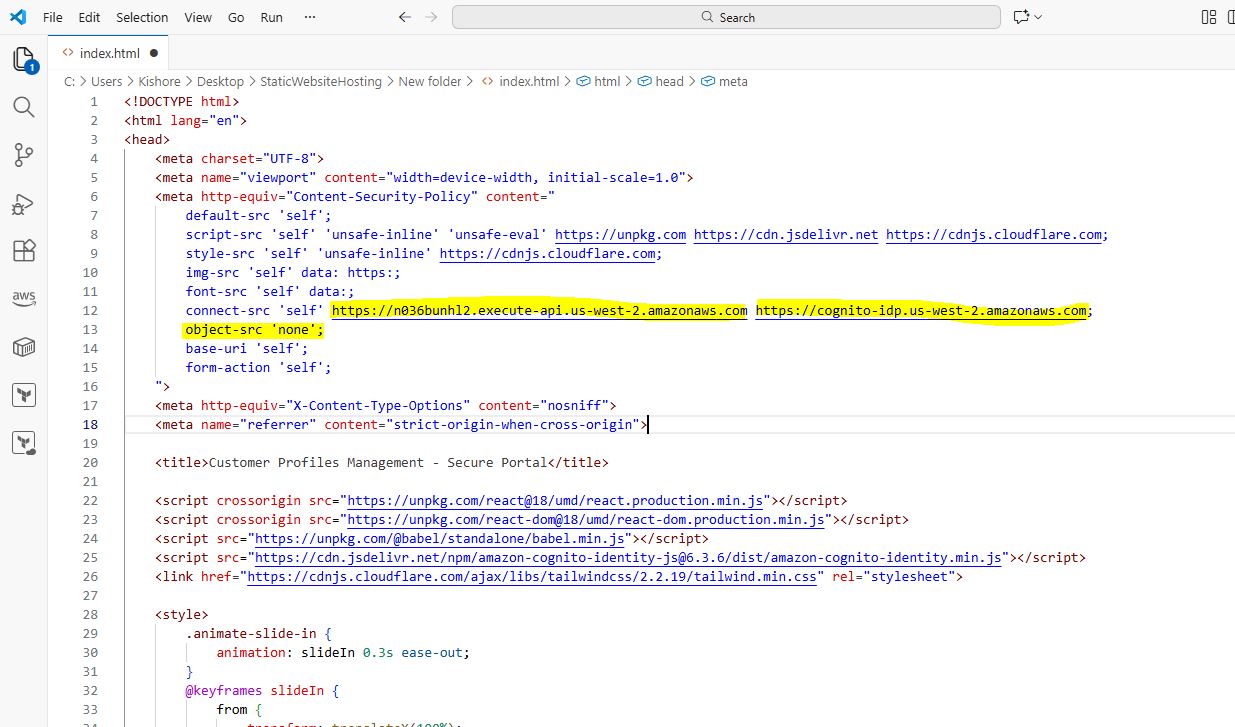
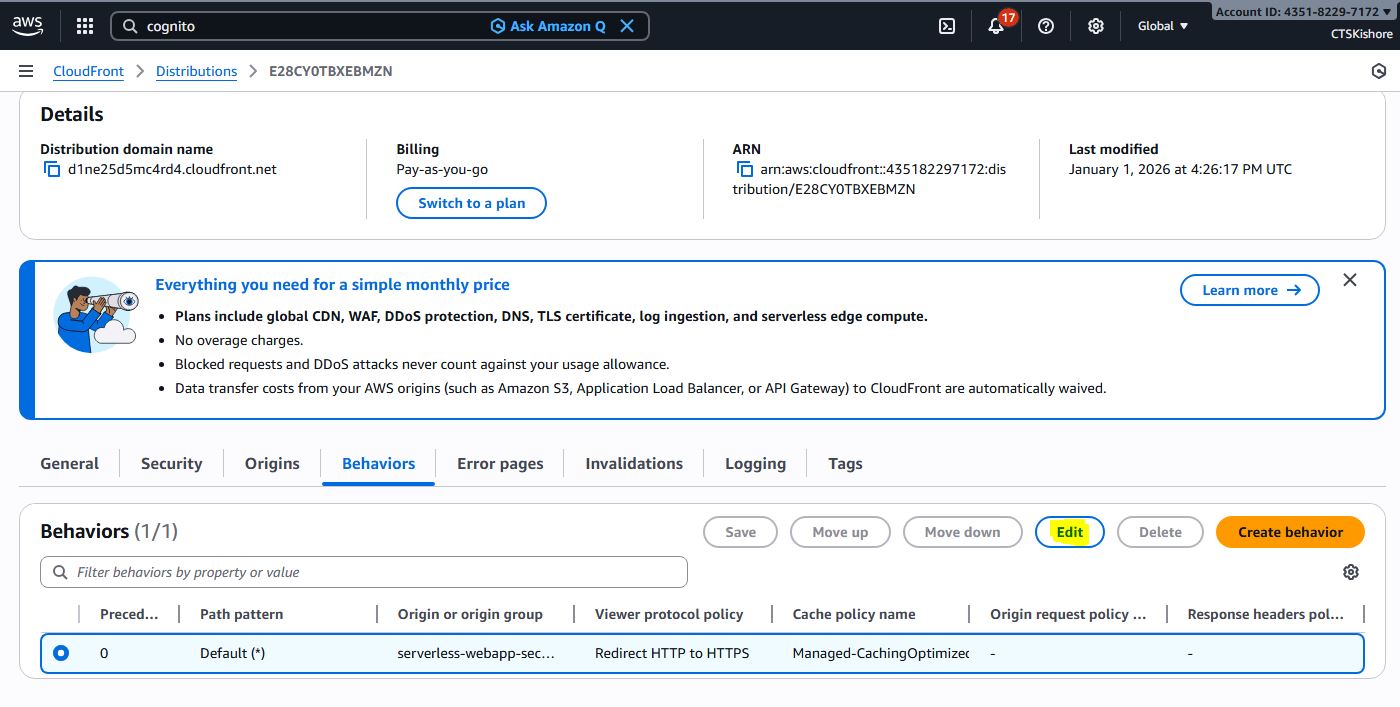
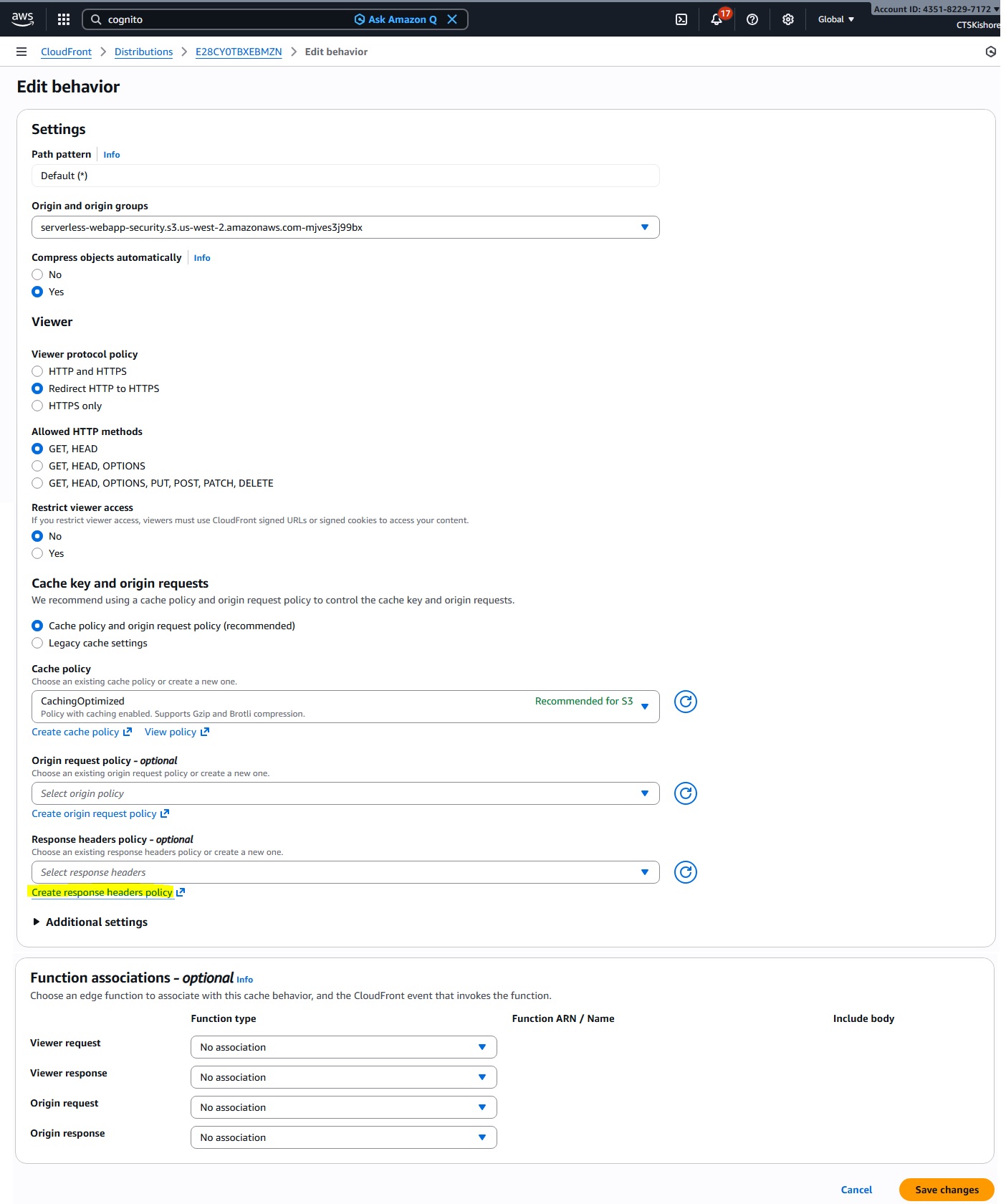
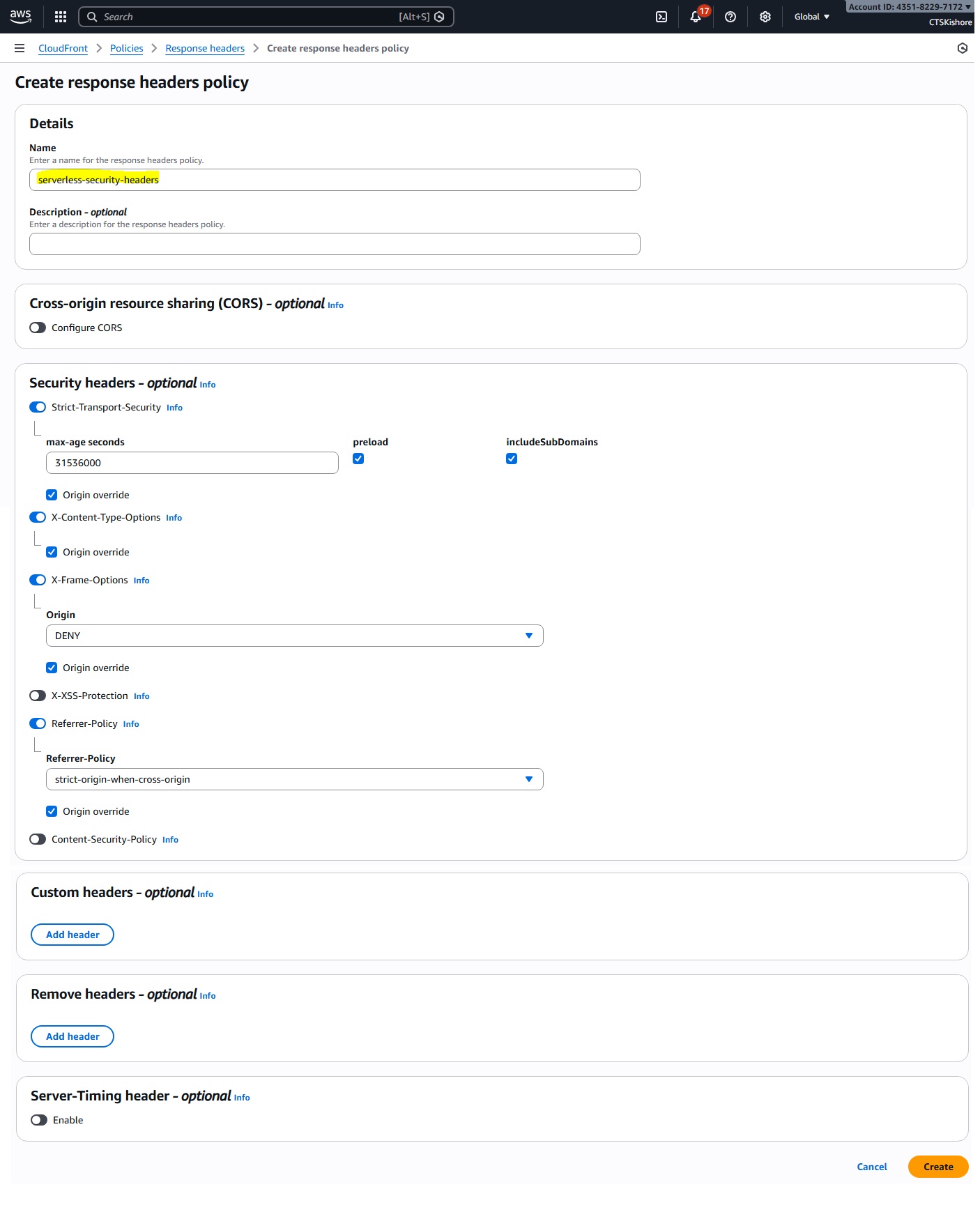
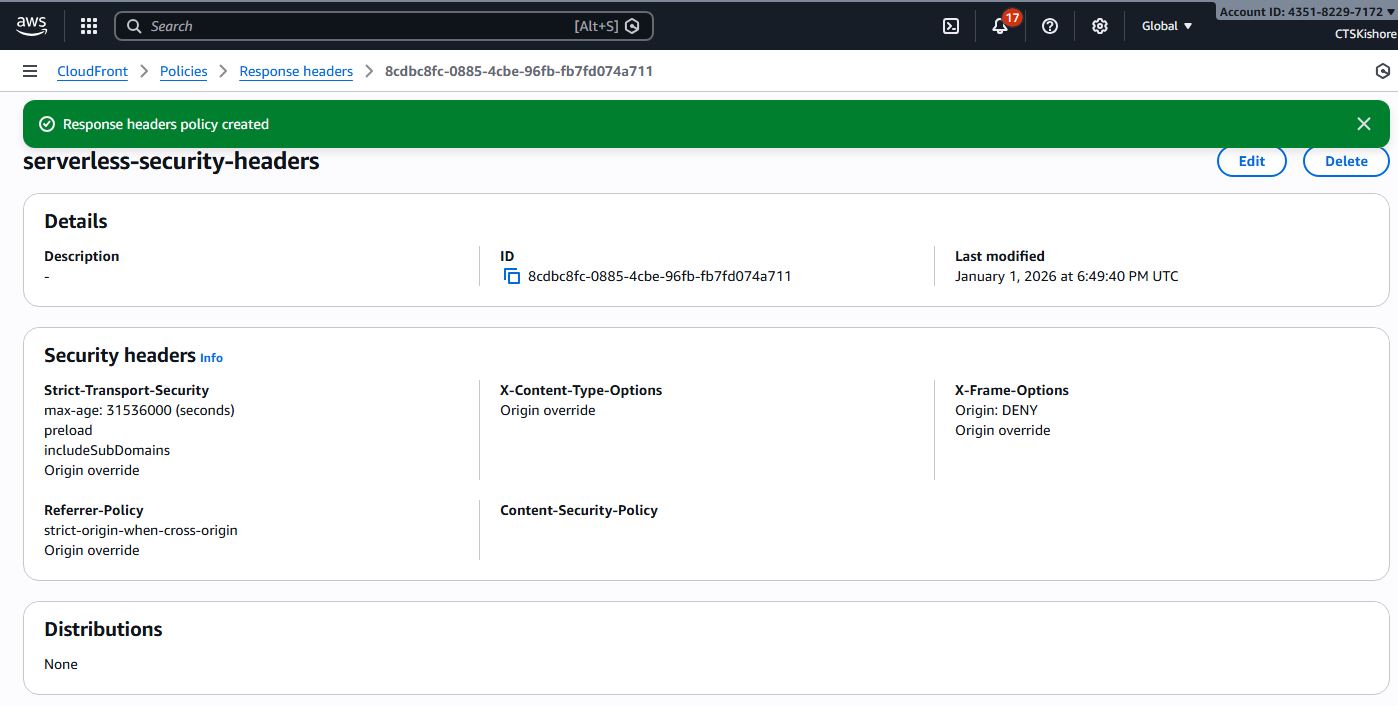
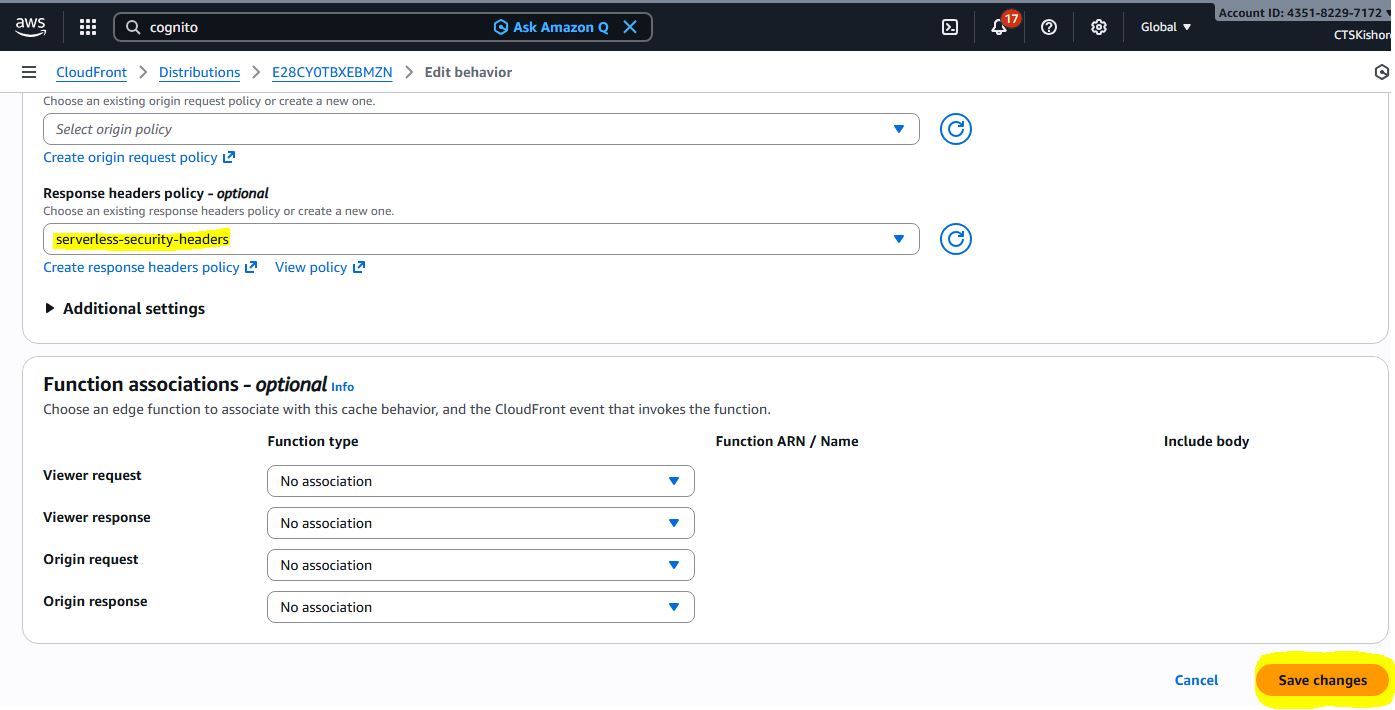
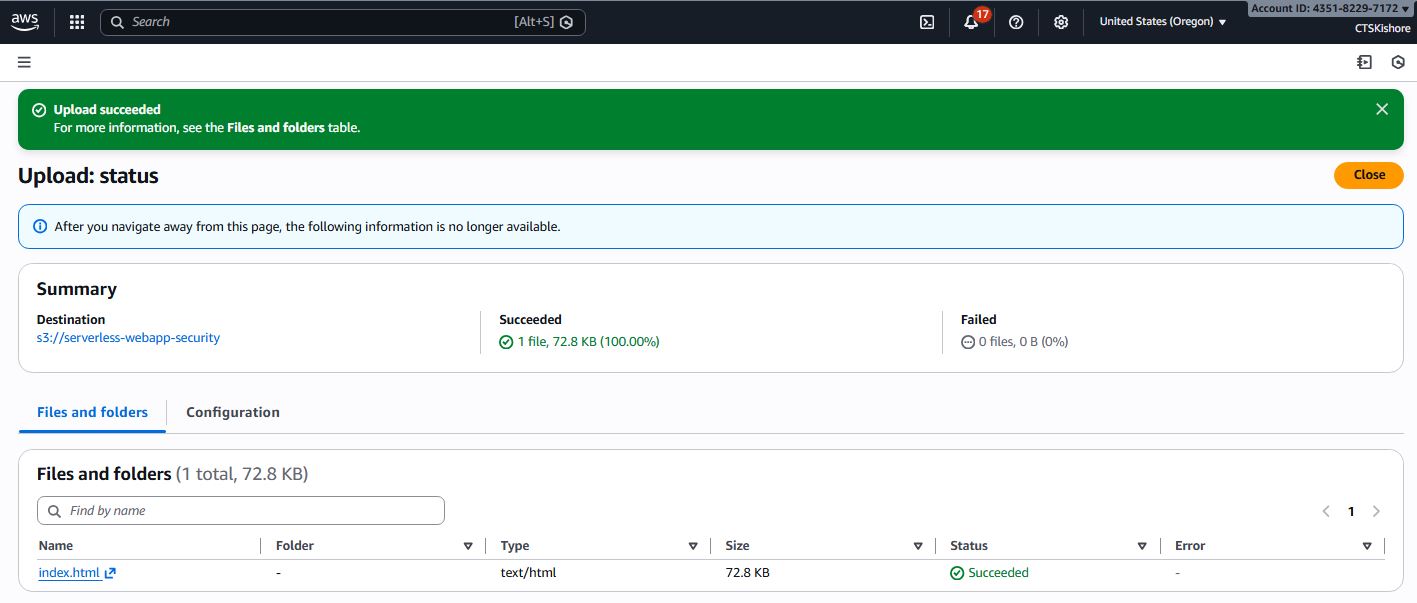





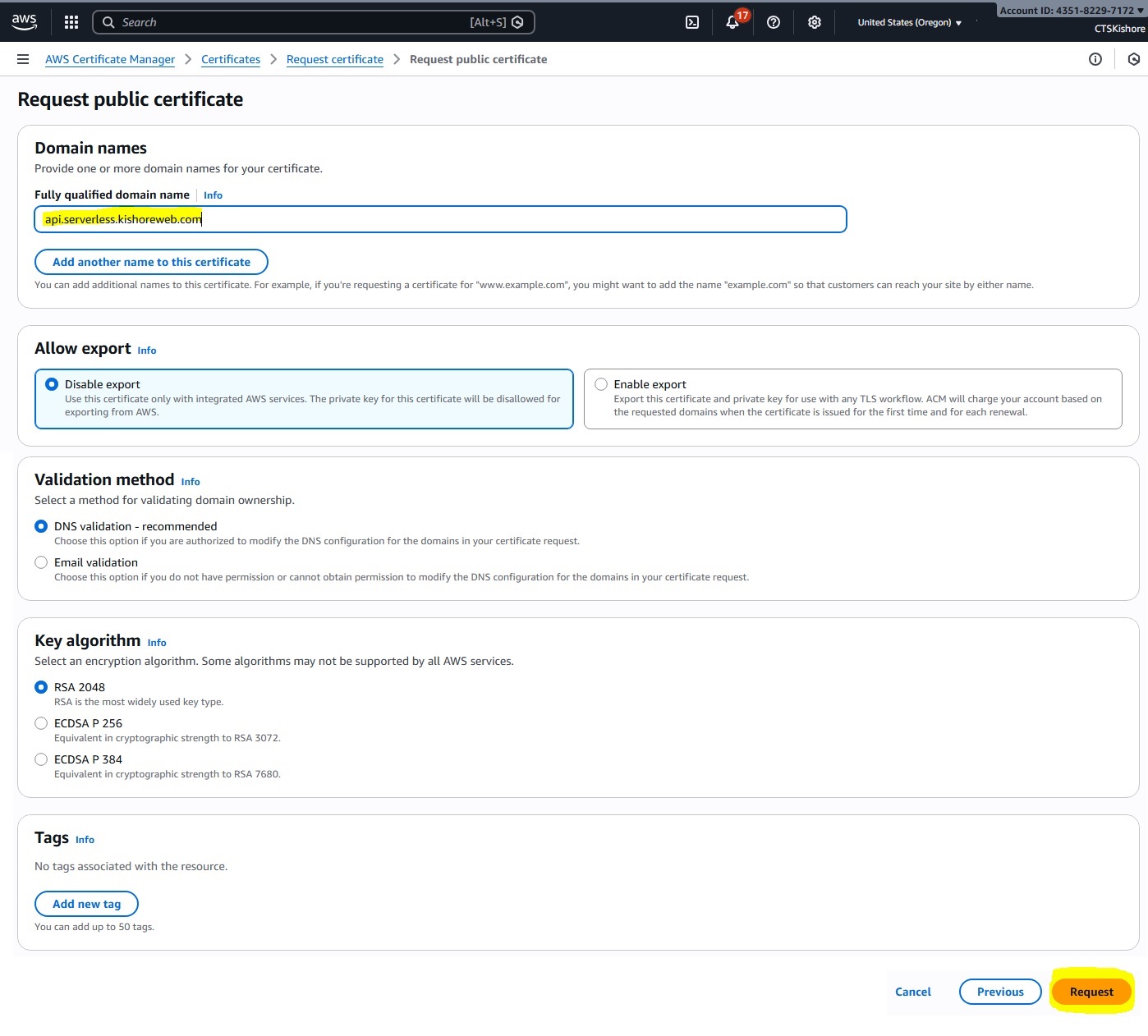
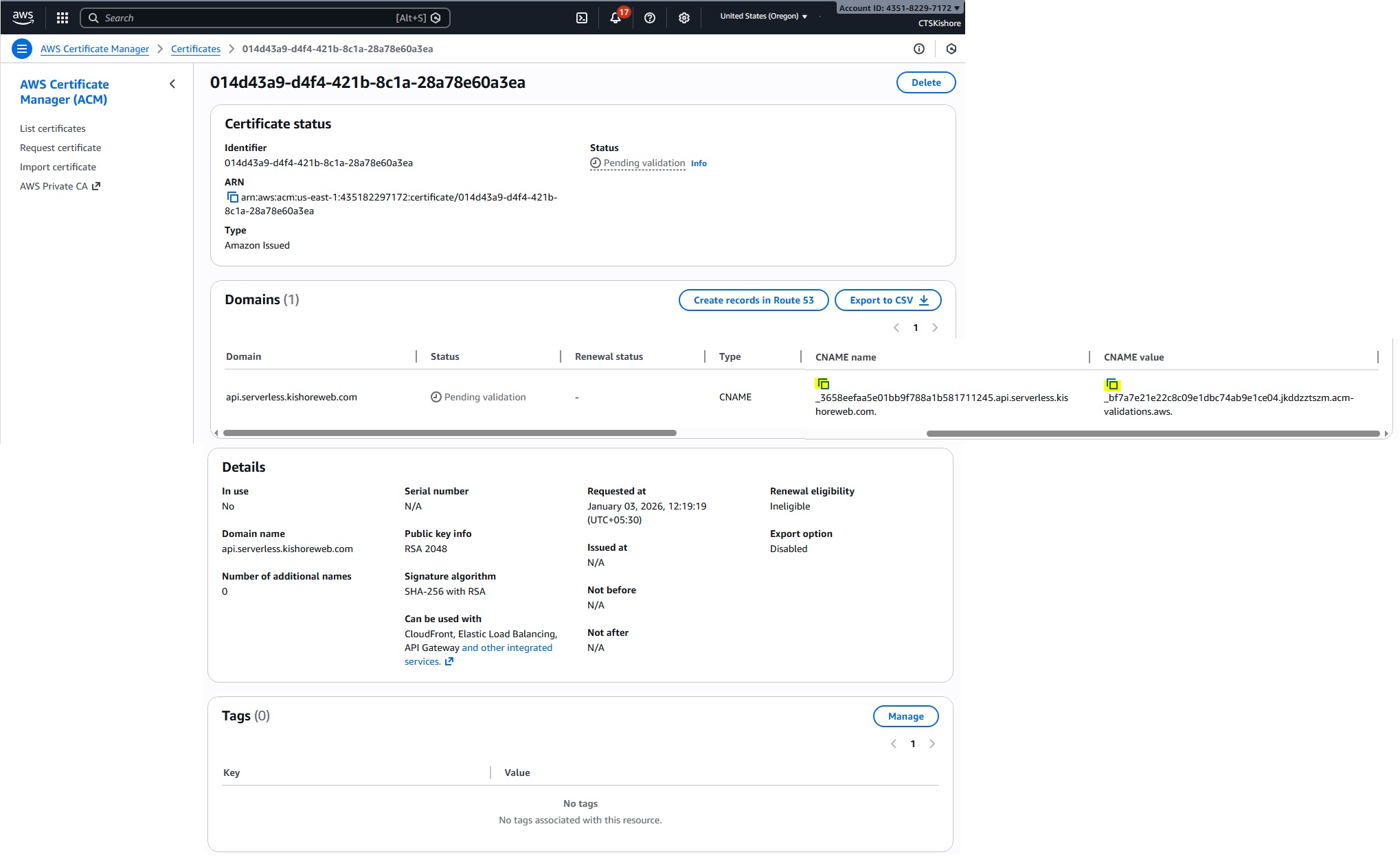
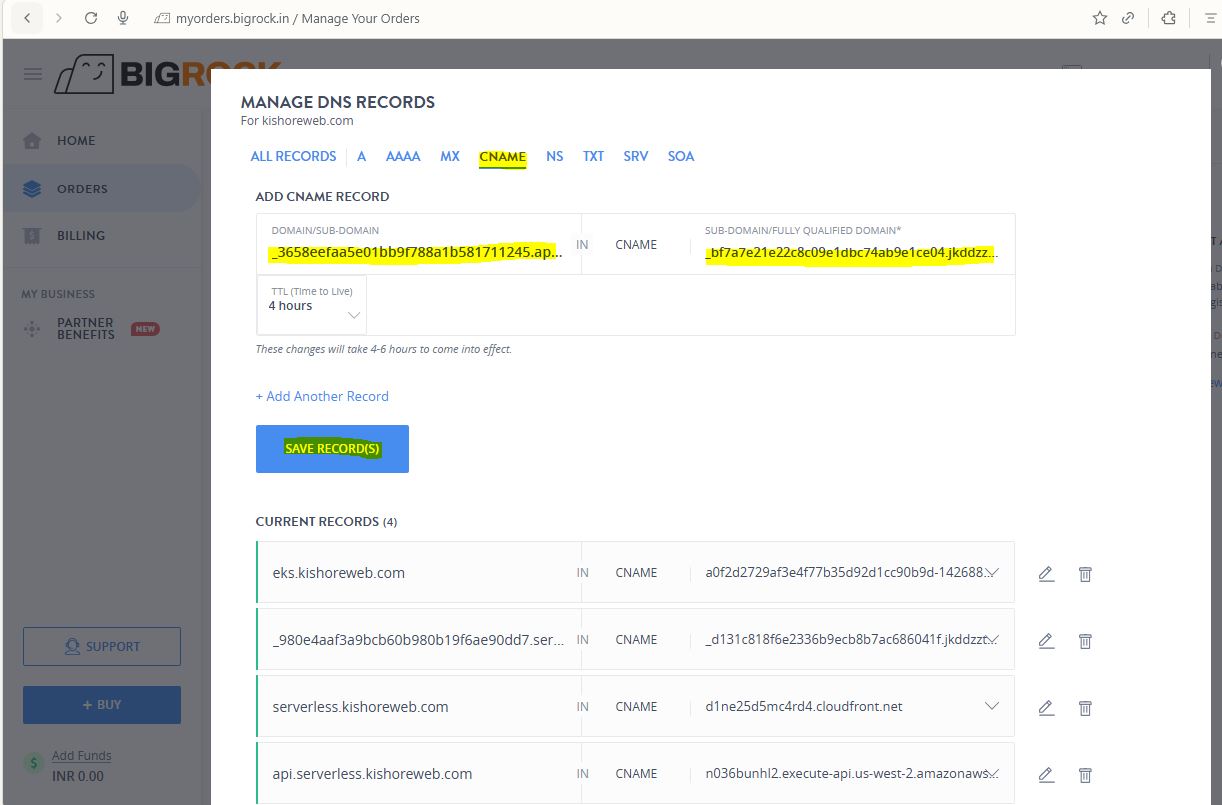
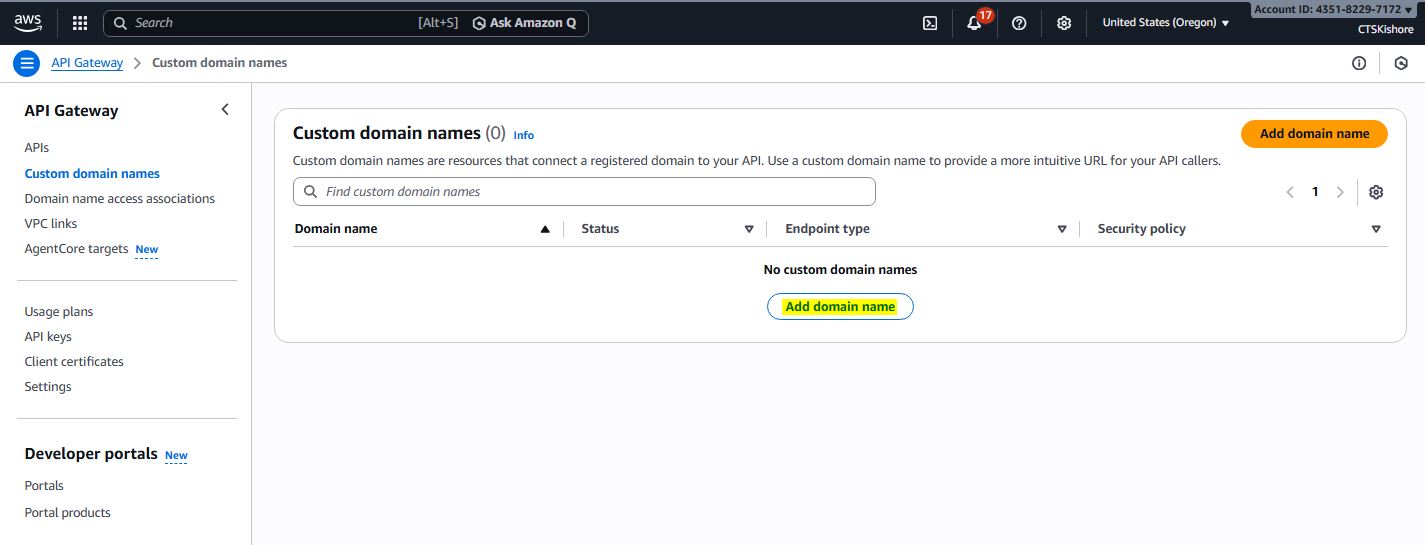
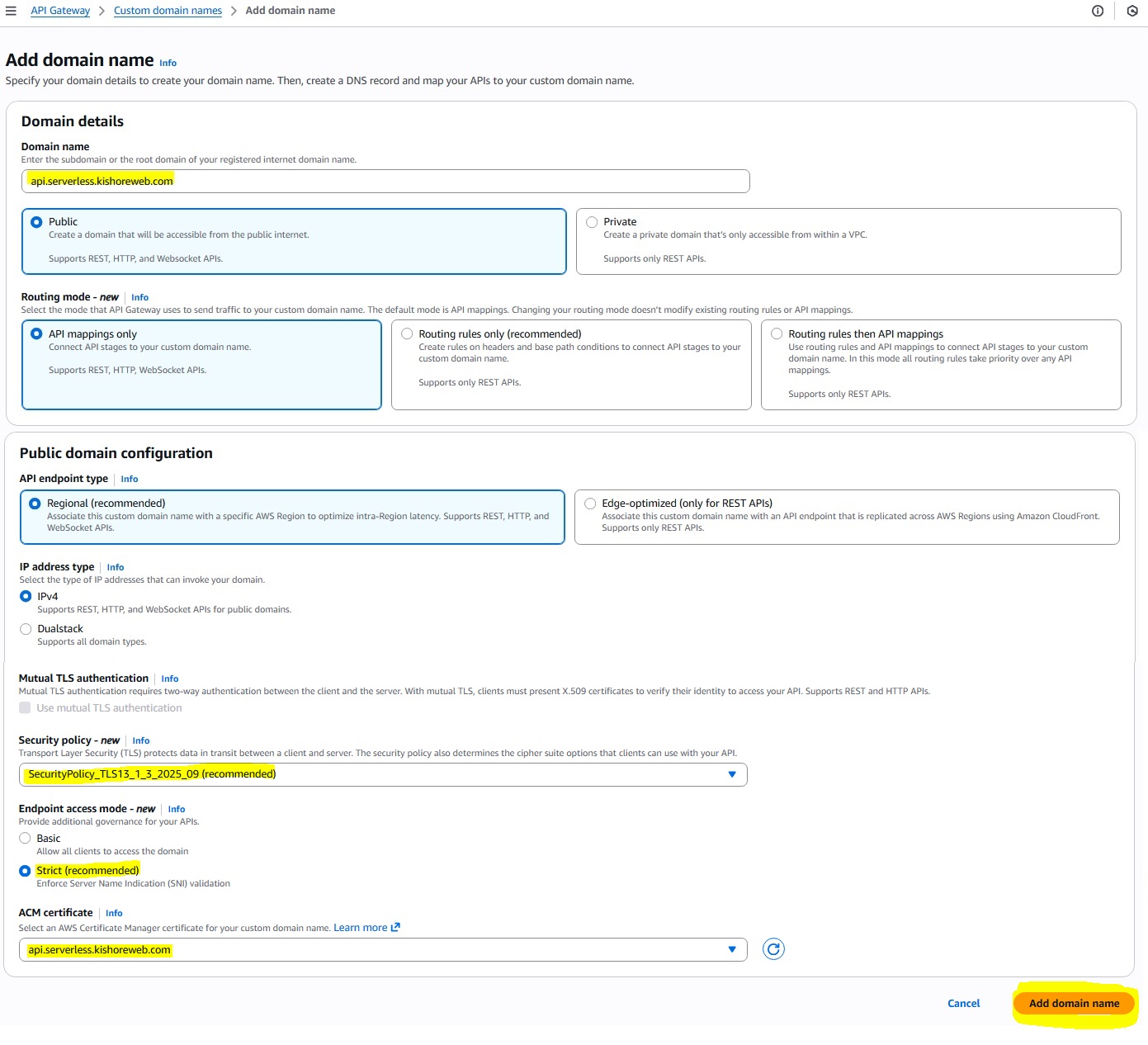
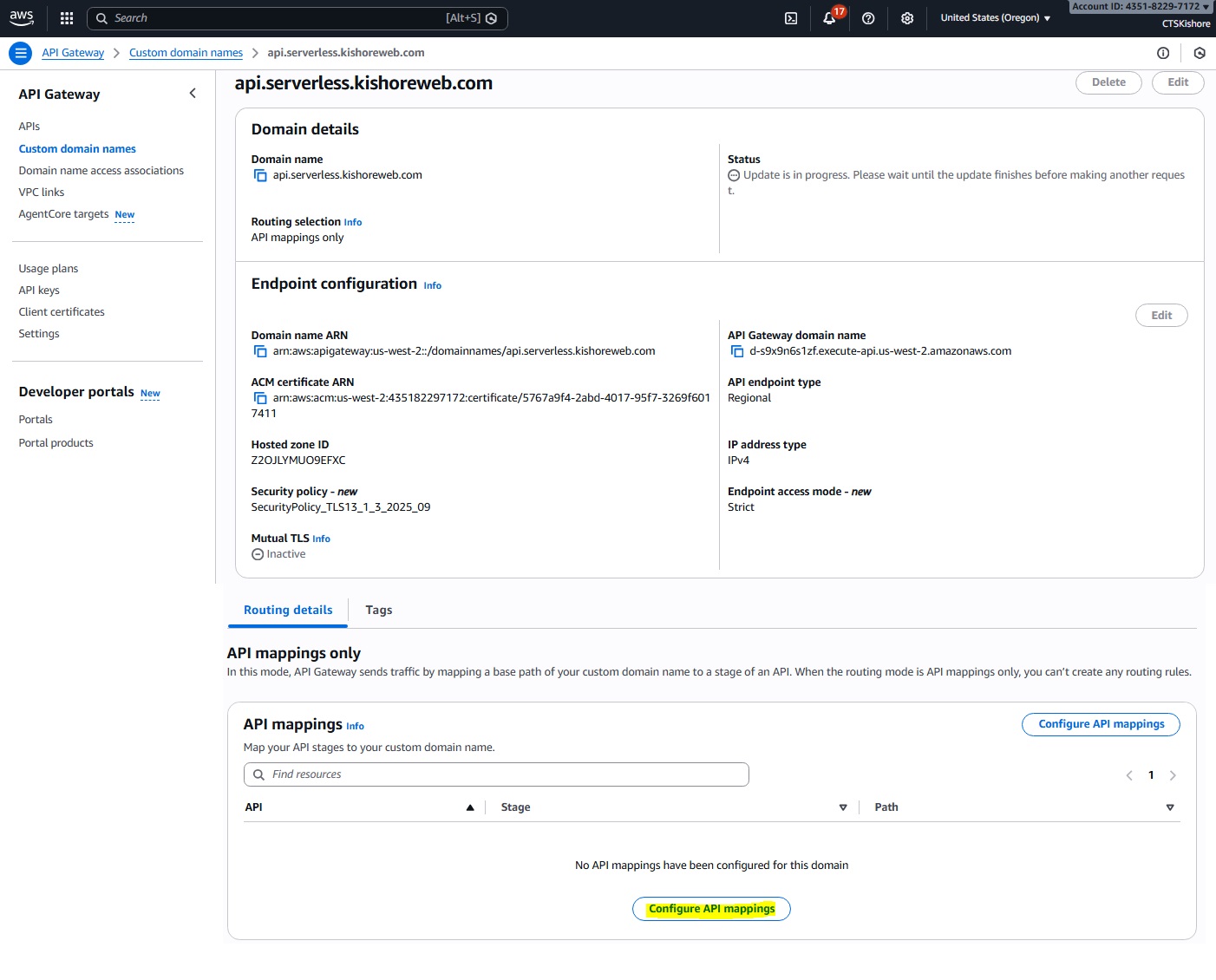
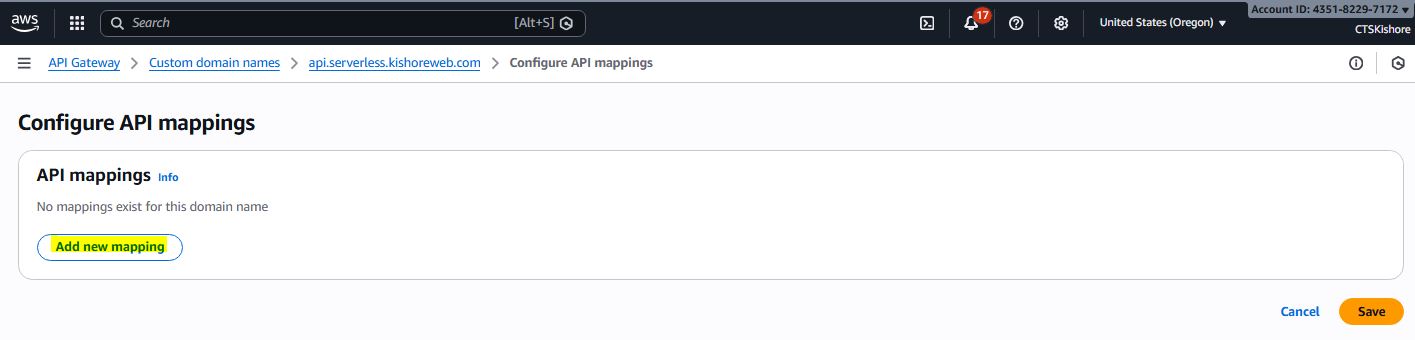
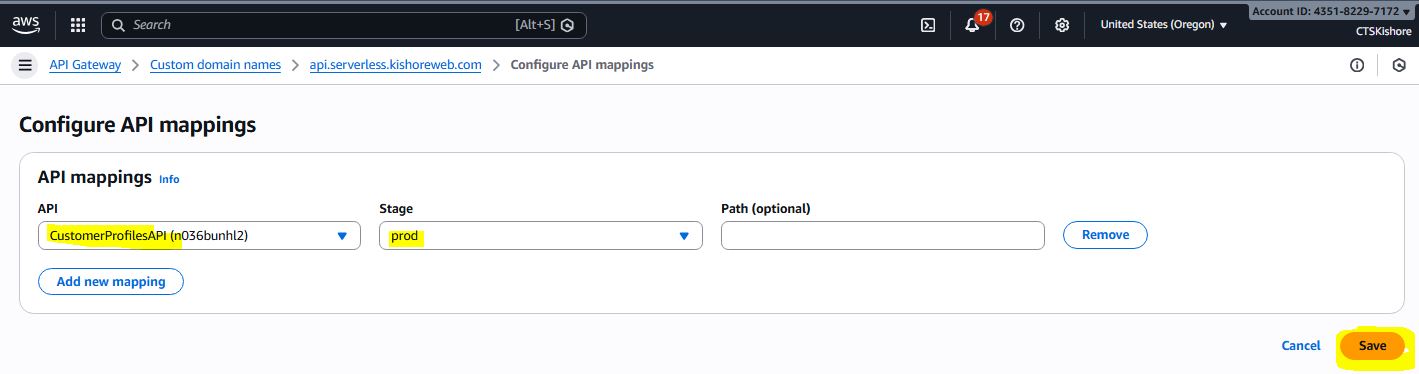
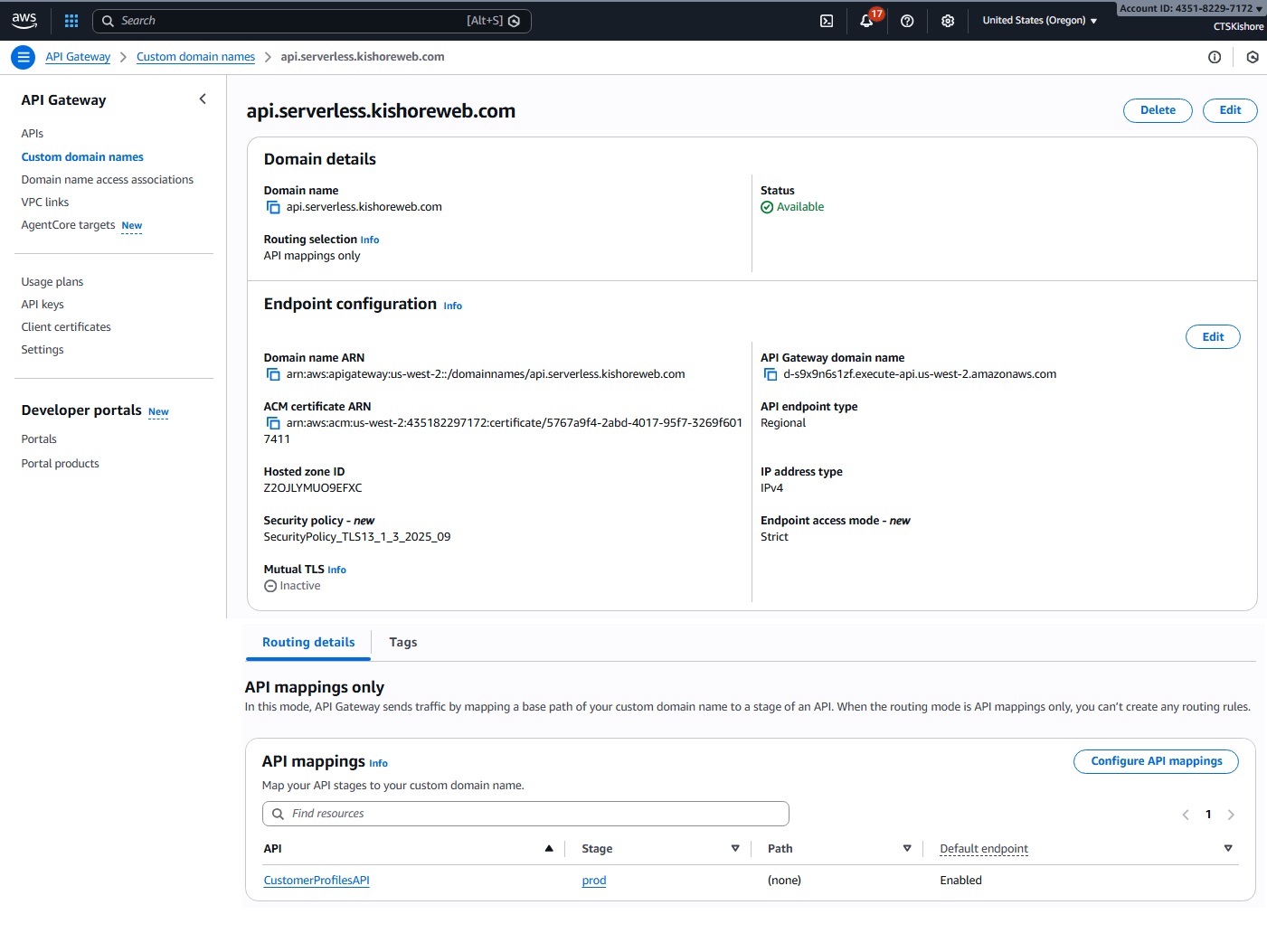
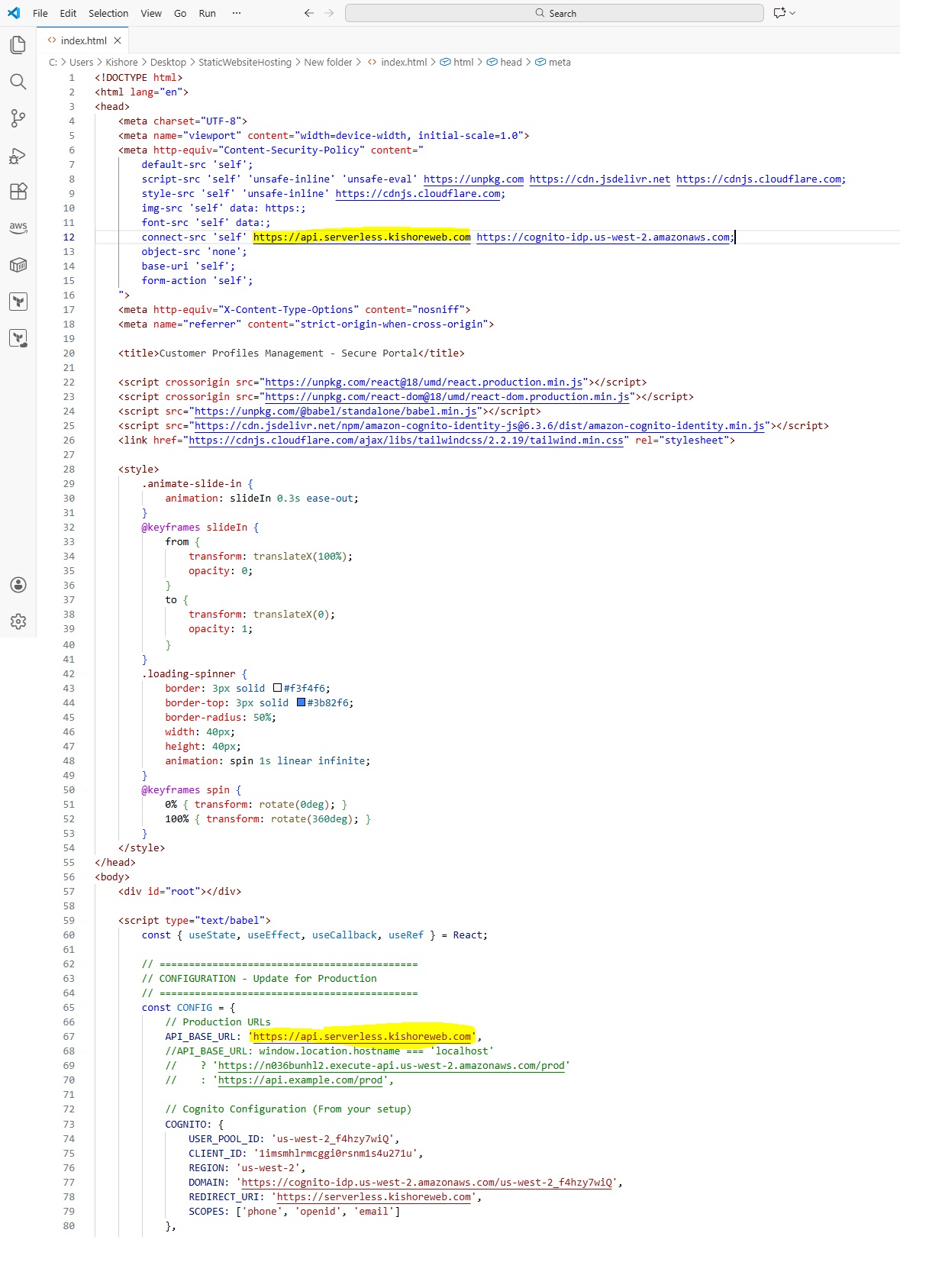
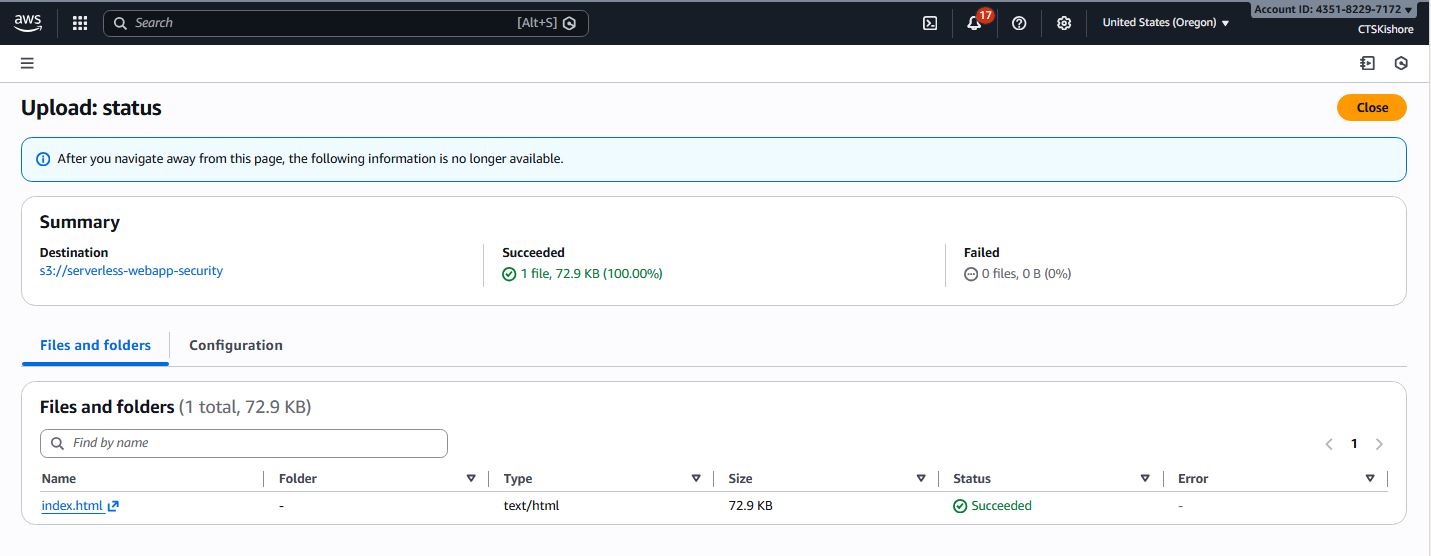
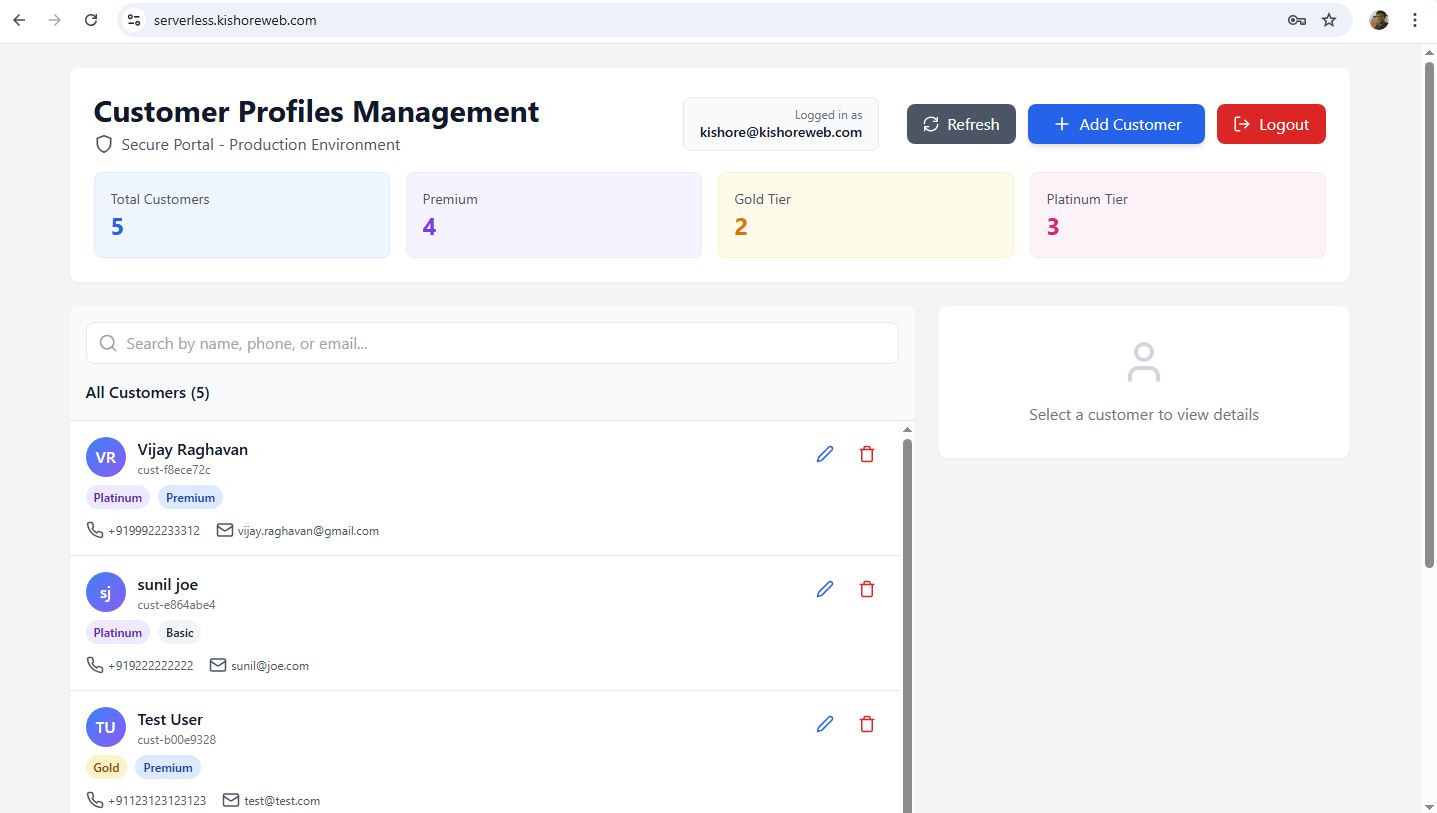
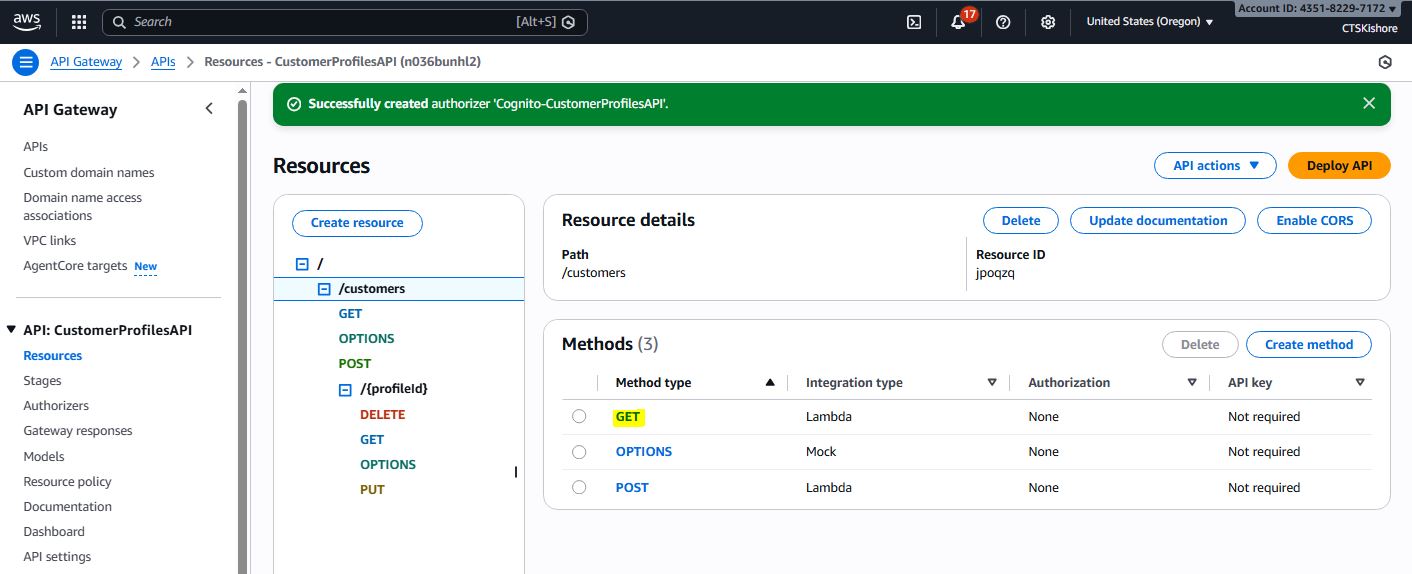

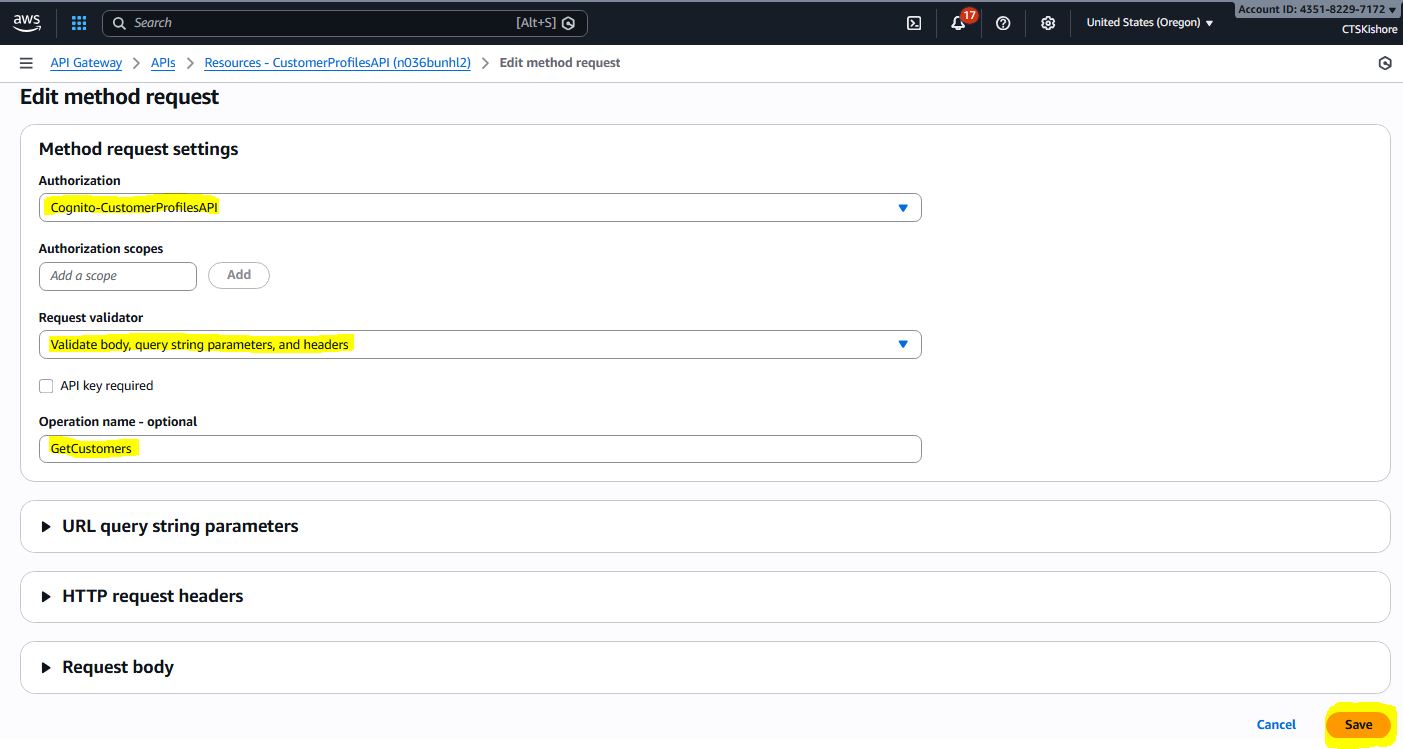
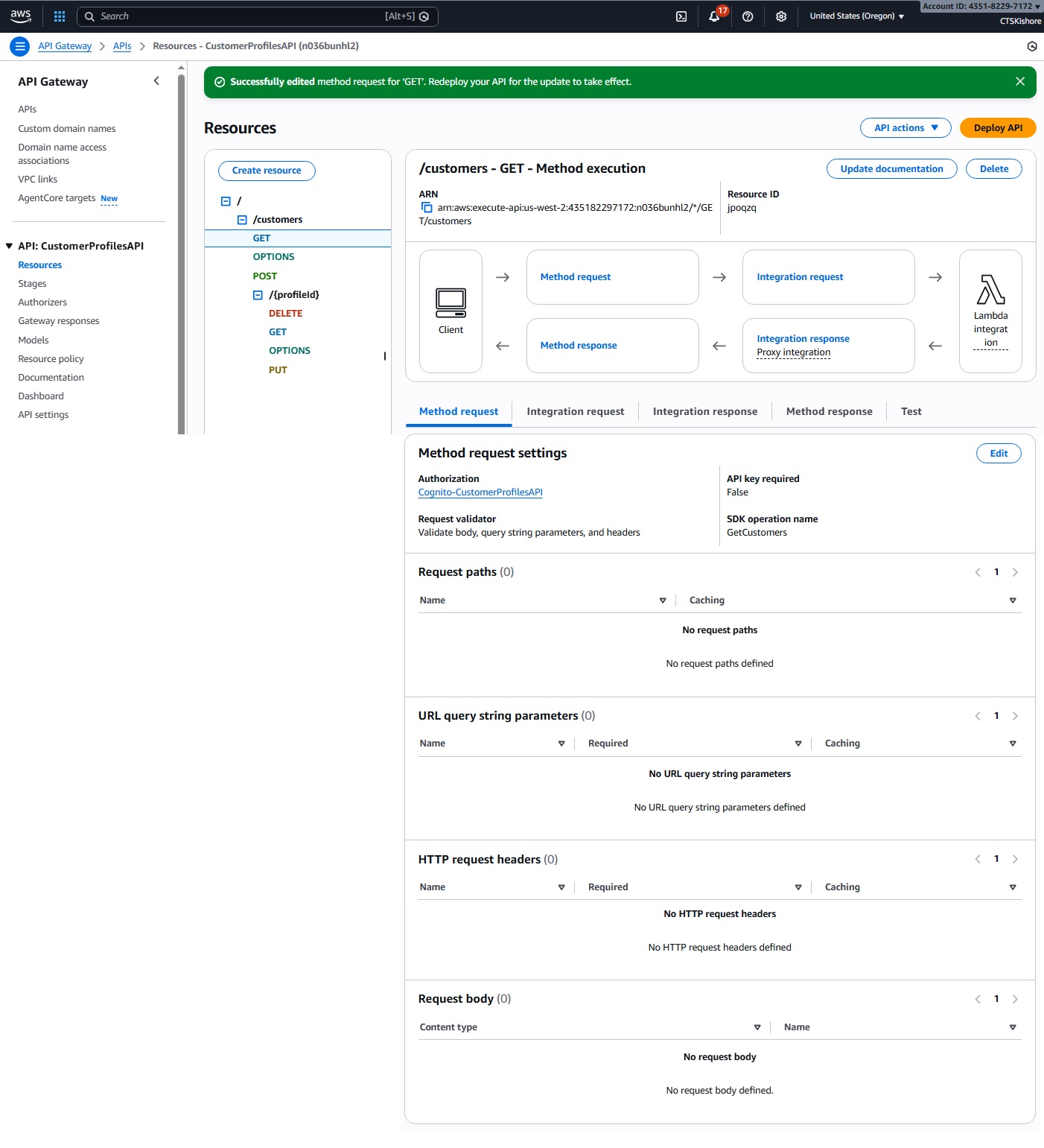
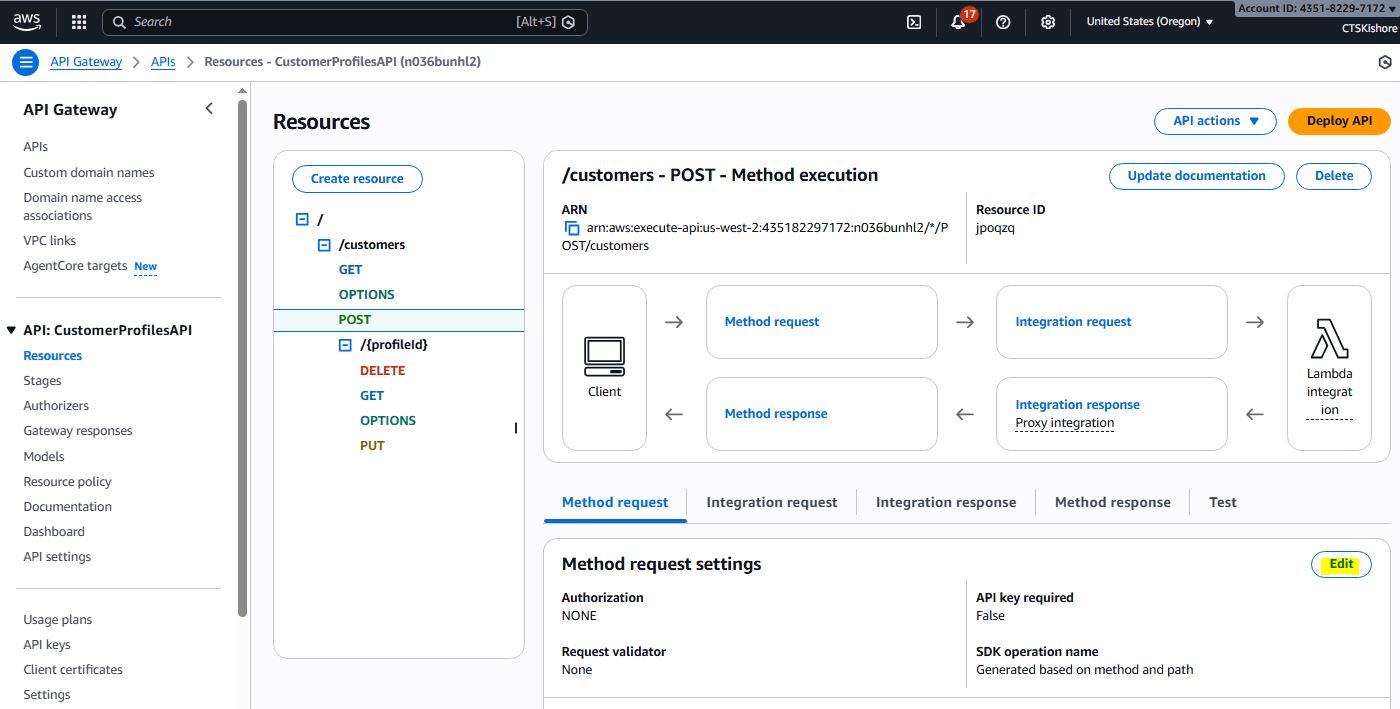
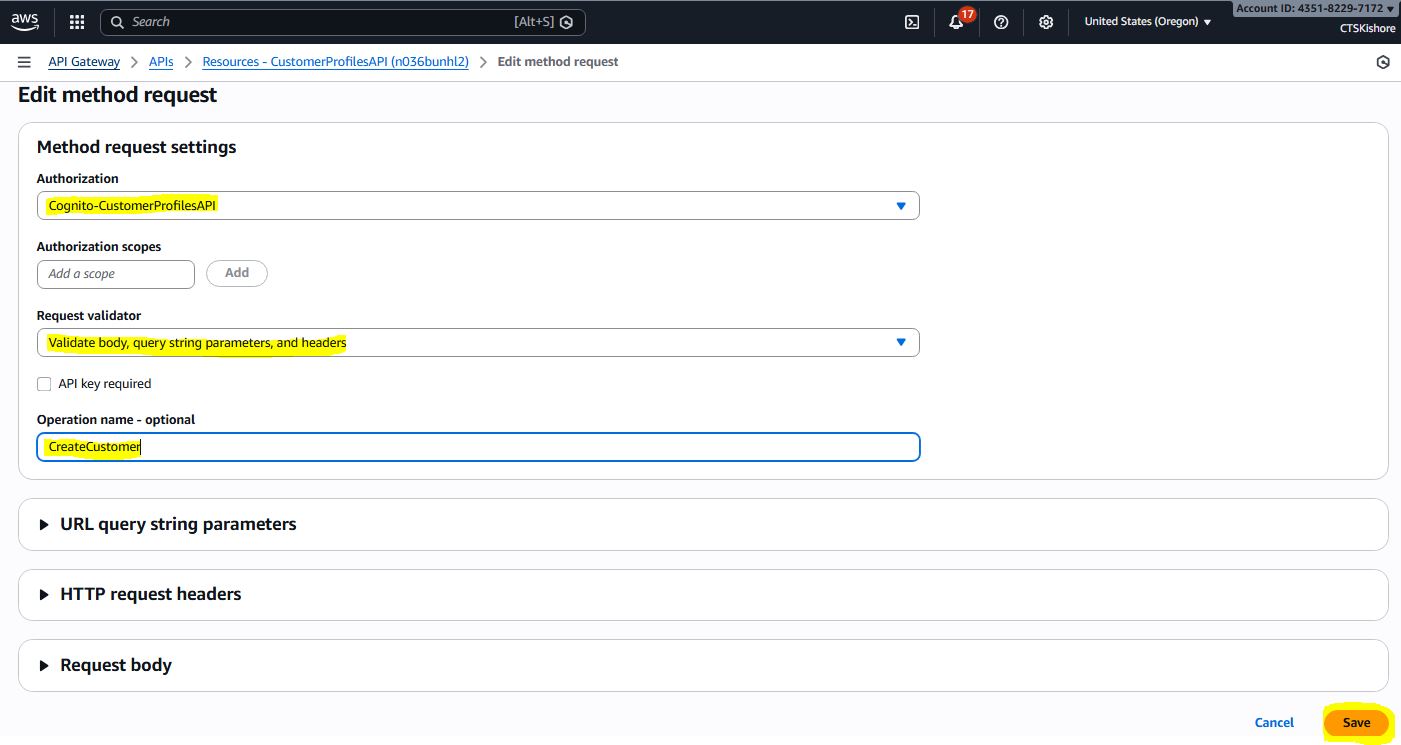
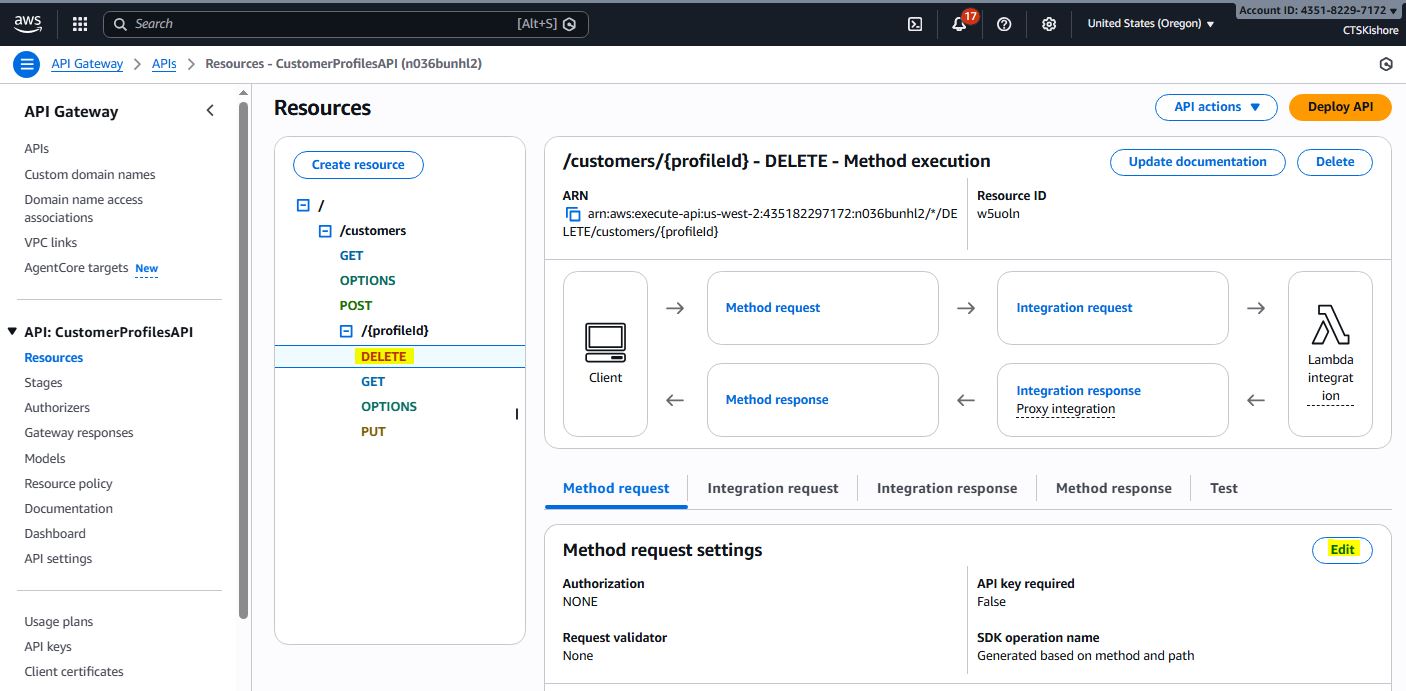
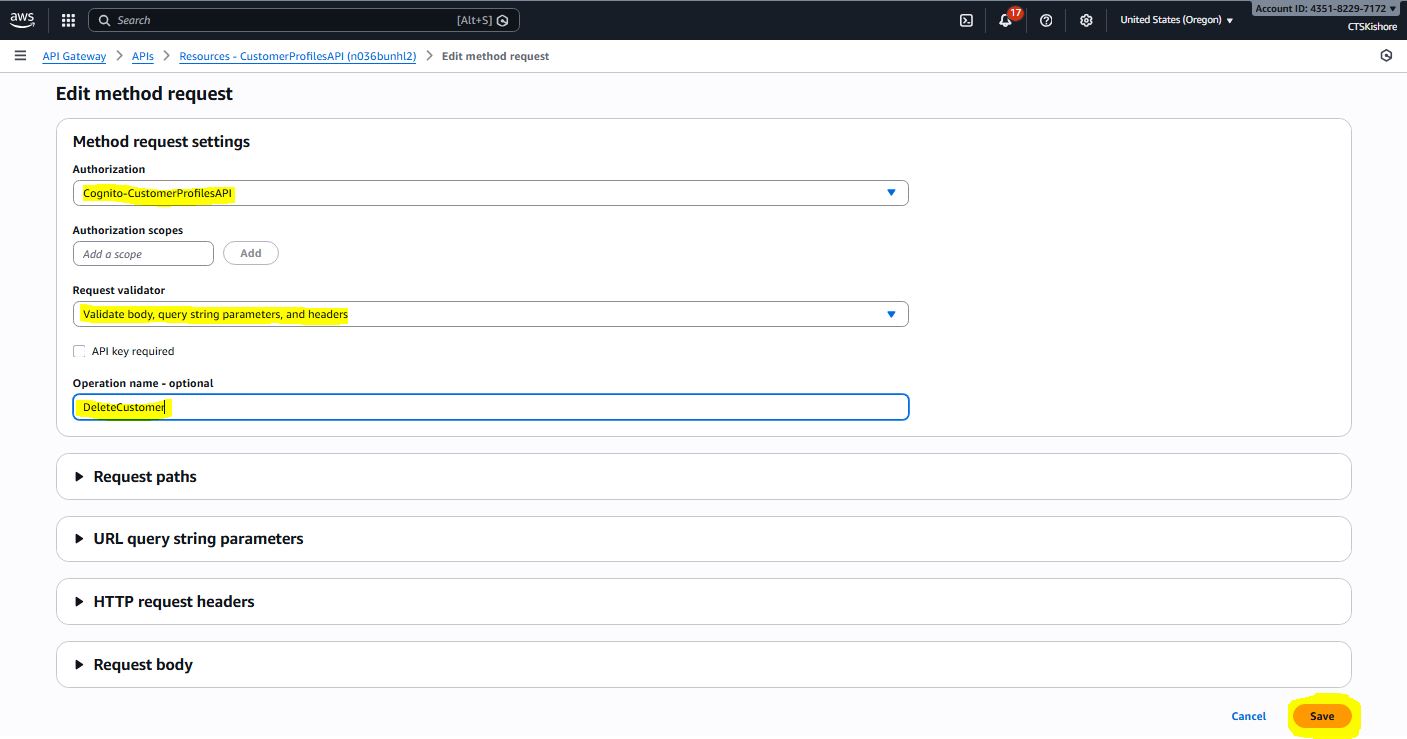
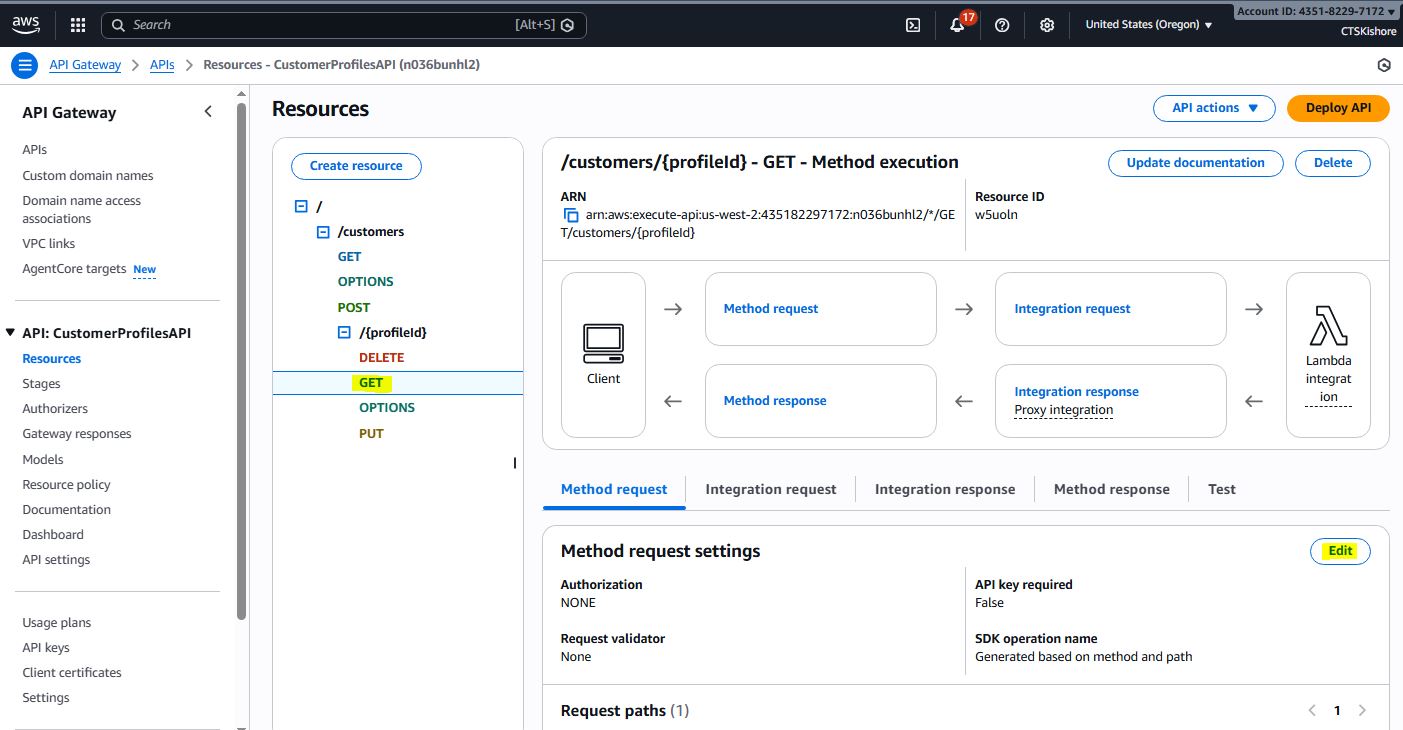
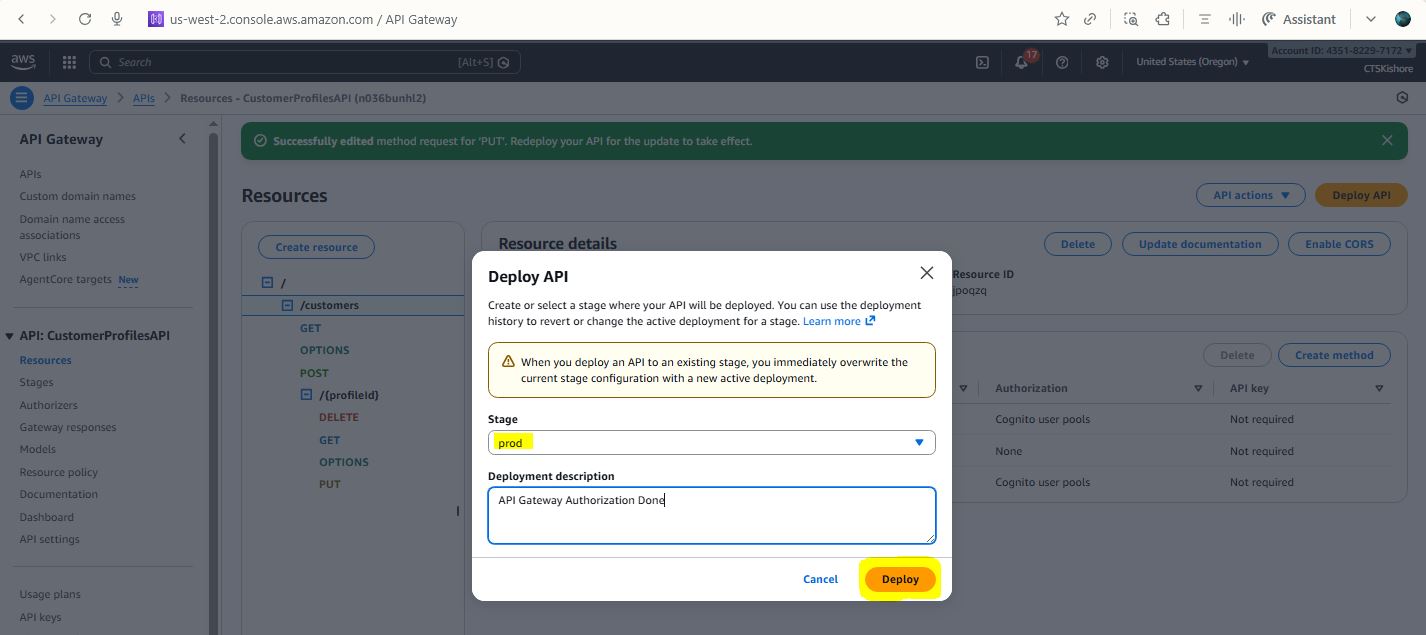
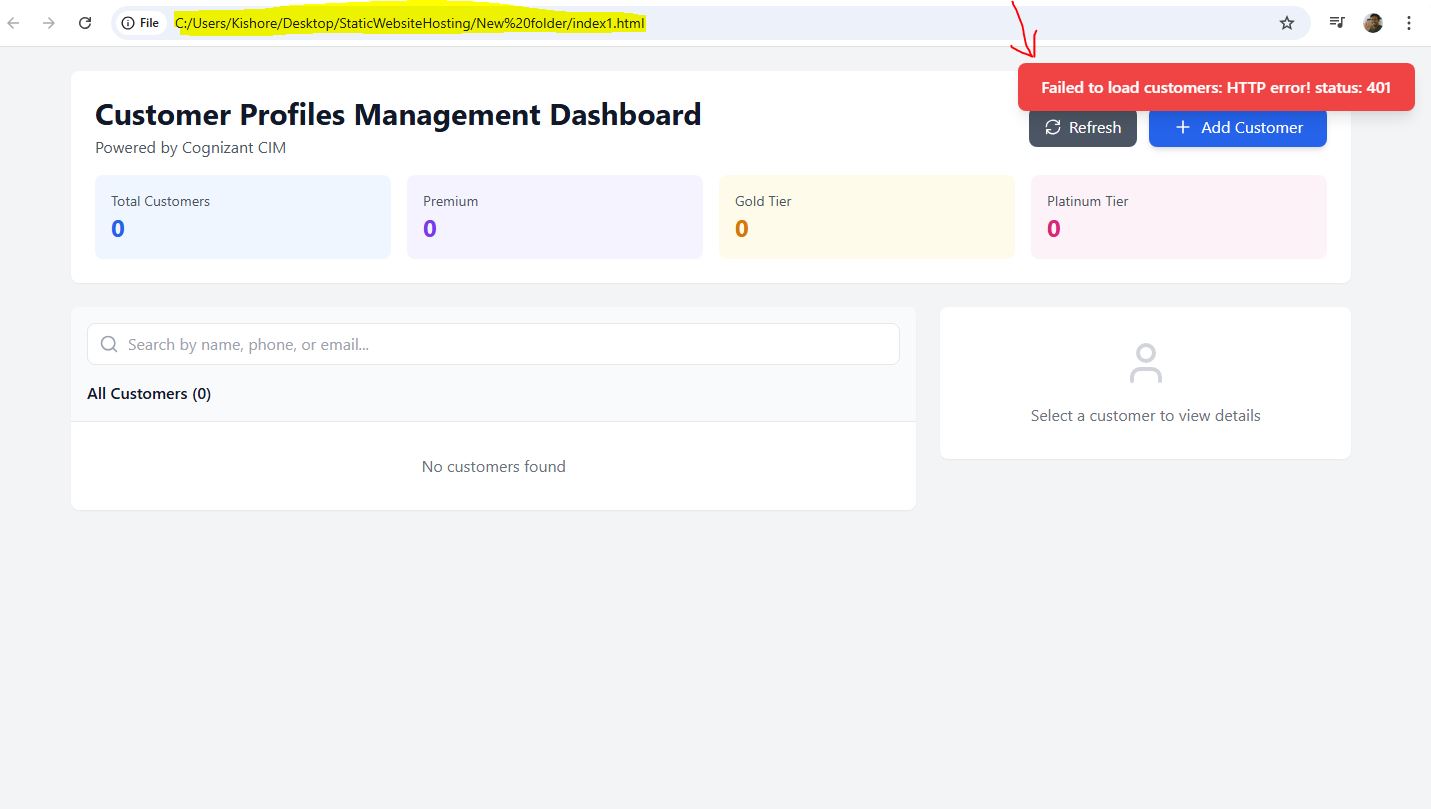
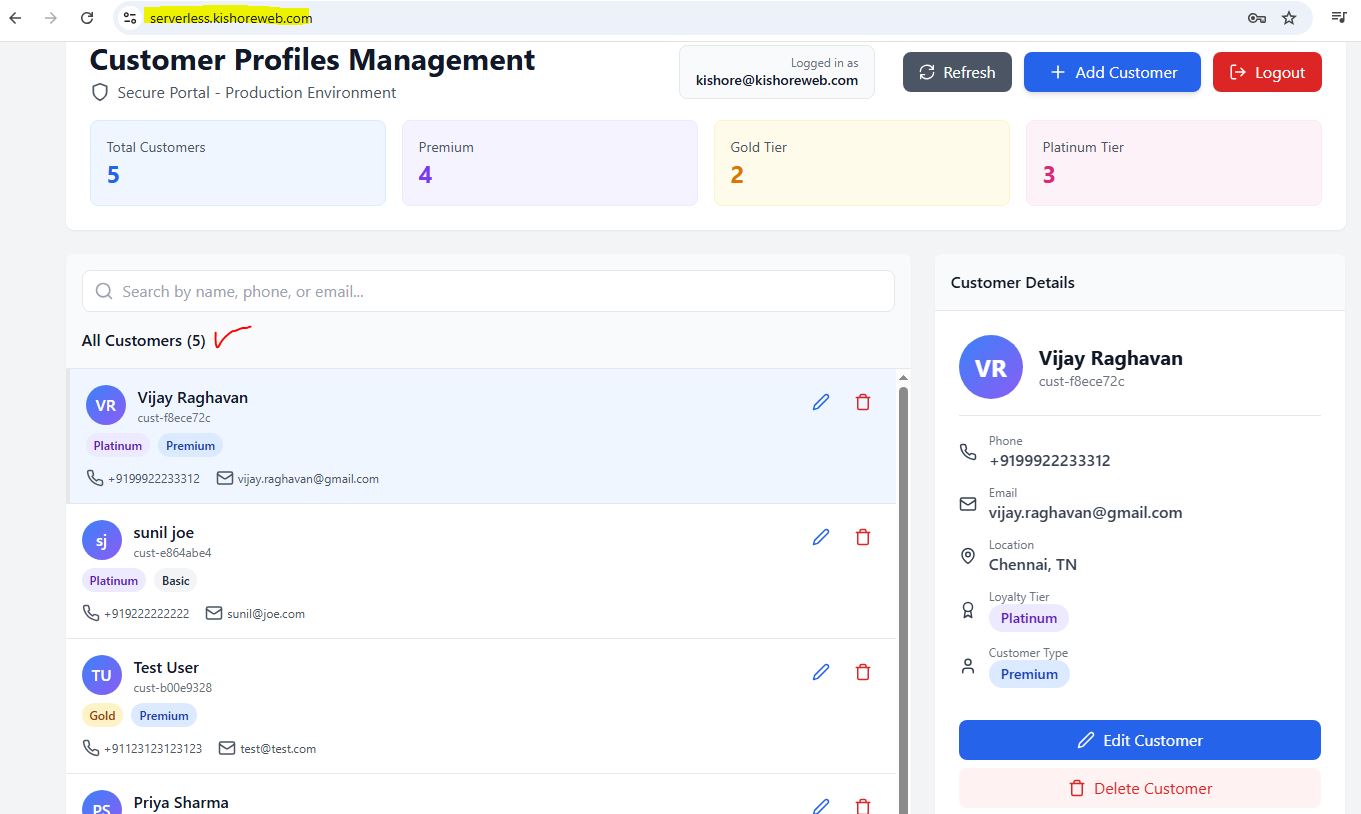

ArgoCD Service & HTTPRoute
import json
import boto3
import uuid
from datetime import datetime
from decimal import Decimal

dynamodb = boto3.resource('dynamodb')
table = dynamodb.Table('CustomerMaster')

def lambda_handler(event, context):
    """
    Unified Lambda function for all CRUD operations on Customer Profiles
    Routes based on HTTP method and path
    """

    print(f"Received event: {json.dumps(event)}")

    try:
        # Extract HTTP method and path
        http_method = event.get('httpMethod', event.get('requestContext', {}).get('http', {}).get('method'))
        path = event.get('path', '')
        path_params = event.get('pathParameters', {}) or {}
        query_params = event.get('queryStringParameters', {}) or {}

        # Route to appropriate handler
        if http_method == 'GET':
            if path_params.get('profileId'):
                # GET /customers/{profileId}
                return get_customer_by_id(path_params['profileId'])
            elif query_params.get('phoneNumber'):
                # GET /customers?phoneNumber=xxx
                return get_customer_by_phone(query_params['phoneNumber'])
            elif query_params.get('email'):
                # GET /customers?email=xxx
                return get_customer_by_email(query_params['email'])
            else:
                # GET /customers (list all)
                return get_all_customers(query_params)

        elif http_method == 'POST':
            # POST /customers (create)
            return create_customer(event)

        elif http_method == 'PUT':
            # PUT /customers/{profileId} (update)
            profile_id = path_params.get('profileId')
            if not profile_id:
                return error_response(400, 'ProfileId is required in path')
            return update_customer(profile_id, event)

        elif http_method == 'DELETE':
            # DELETE /customers/{profileId}
            profile_id = path_params.get('profileId')
            if not profile_id:
                return error_response(400, 'ProfileId is required in path')
            return delete_customer(profile_id)

        else:
            return error_response(405, f'Method {http_method} not allowed')

    except Exception as e:
        print(f"Error in lambda_handler: {str(e)}")
        import traceback
        traceback.print_exc()
        return error_response(500, 'Internal server error', str(e))


# ==================== CREATE ====================
def create_customer(event):
    """Create a new customer profile"""

    try:
        # Parse body
        if isinstance(event.get('body'), str):
            body = json.loads(event['body'])
        else:
            body = event.get('body', {})

        # Validate required fields
        required_fields = ['FirstName', 'LastName', 'PhoneNumber', 'Email']
        for field in required_fields:
            if not body.get(field):
                return error_response(400, f'Missing required field: {field}')

        # Generate ProfileId if not provided
        profile_id = body.get('ProfileId', f"cust-{str(uuid.uuid4())[:8]}")

        # Check if customer with phone number already exists
        existing = check_existing_customer(body['PhoneNumber'])
        if existing:
            return error_response(409, 'Customer with this phone number already exists',
                                existing_profile_id=existing['ProfileId'])

        # Prepare item for DynamoDB
        customer_item = {
            'ProfileId': profile_id,
            'FirstName': body['FirstName'],
            'LastName': body['LastName'],
            'PhoneNumber': body['PhoneNumber'],
            'Email': body['Email'],
            'City': body.get('City', ''),
            'State': body.get('State', ''),
            'CustomerType': body.get('CustomerType', 'Standard'),
            'LoyaltyTier': body.get('LoyaltyTier', 'Bronze'),
            'CreatedAt': datetime.utcnow().isoformat(),
            'UpdatedAt': datetime.utcnow().isoformat()
        }

        # Add optional fields if provided
        optional_fields = ['Address', 'PostalCode', 'Country', 'BirthDate',
                          'AccountNumber', 'AccountBalance', 'Notes', 'TotalPurchases',
                          'LastPurchaseDate', 'PreferredLanguage']
        for field in optional_fields:
            if field in body:
                customer_item[field] = body[field]

        # Insert into DynamoDB
        table.put_item(Item=customer_item)

        print(f"Successfully created customer: {profile_id}")

        return success_response(201, {
            'message': 'Customer profile created successfully',
            'customer': customer_item
        })

    except Exception as e:
        print(f"Error creating customer: {str(e)}")
        return error_response(500, 'Failed to create customer', str(e))


# ==================== READ ====================
def get_customer_by_id(profile_id):
    """Get customer by ProfileId"""

    try:
        response = table.get_item(Key={'ProfileId': profile_id})

        if 'Item' not in response:
            return error_response(404, 'Customer not found')

        return success_response(200, {
            'customer': response['Item']
        })

    except Exception as e:
        print(f"Error getting customer by ID: {str(e)}")
        return error_response(500, 'Failed to retrieve customer', str(e))


def get_customer_by_phone(phone_number):
    """Get customer by phone number using GSI"""

    try:
        response = table.query(
            IndexName='PhoneNumber-index',
            KeyConditionExpression='PhoneNumber = :phone',
            ExpressionAttributeValues={':phone': phone_number}
        )

        if not response['Items']:
            return error_response(404, 'Customer not found')

        return success_response(200, {
            'customer': response['Items'][0]
        })

    except Exception as e:
        print(f"Error getting customer by phone: {str(e)}")
        return error_response(500, 'Failed to retrieve customer', str(e))


def get_customer_by_email(email):
    """Get customer by email using GSI"""

    try:
        response = table.query(
            IndexName='EmailAddress-index',
            KeyConditionExpression='Email = :email',
            ExpressionAttributeValues={':email': email}
        )

        if not response['Items']:
            return error_response(404, 'Customer not found')

        return success_response(200, {
            'customer': response['Items'][0]
        })

    except Exception as e:
        print(f"Error getting customer by email: {str(e)}")
        return error_response(500, 'Failed to retrieve customer', str(e))


def get_all_customers(query_params):
    """Get all customers with pagination"""

    try:
        limit = int(query_params.get('limit', 50))
        last_key = query_params.get('lastKey')

        scan_kwargs = {
            'Limit': limit
        }

        if last_key:
            scan_kwargs['ExclusiveStartKey'] = {'ProfileId': last_key}

        response = table.scan(**scan_kwargs)

        result = {
            'customers': response['Items'],
            'count': len(response['Items'])
        }

        if 'LastEvaluatedKey' in response:
            result['lastKey'] = response['LastEvaluatedKey']['ProfileId']
            result['hasMore'] = True
        else:
            result['hasMore'] = False

        return success_response(200, result)

    except Exception as e:
        print(f"Error getting all customers: {str(e)}")
        return error_response(500, 'Failed to retrieve customers', str(e))


# ==================== UPDATE ====================
def update_customer(profile_id, event):
    """Update customer profile"""

    try:
        # Parse body
        if isinstance(event.get('body'), str):
            body = json.loads(event['body'])
        else:
            body = event.get('body', {})

        if not body:
            return error_response(400, 'Request body is required')

        # Check if customer exists
        existing = table.get_item(Key={'ProfileId': profile_id})
        if 'Item' not in existing:
            return error_response(404, 'Customer not found')

        # Build update expression
        update_expression = "SET UpdatedAt = :updated"
        expression_values = {':updated': datetime.utcnow().isoformat()}
        expression_names = {}

        # Updatable fields
        updatable_fields = [
            'FirstName', 'LastName', 'PhoneNumber', 'Email', 'City',
            'State', 'CustomerType', 'LoyaltyTier', 'Address',
            'PostalCode', 'Country', 'BirthDate', 'AccountNumber',
            'AccountBalance', 'Notes', 'TotalPurchases', 'LastPurchaseDate',
            'PreferredLanguage'
        ]

        for field in updatable_fields:
            if field in body:
                # Handle reserved keywords (State is a DynamoDB reserved word)
                if field in ['State']:
                    field_placeholder = f"#{field}"
                    expression_names[field_placeholder] = field
                    update_expression += f", {field_placeholder} = :{field}"
                else:
                    update_expression += f", {field} = :{field}"
                expression_values[f":{field}"] = body[field]

        # Perform update
        update_kwargs = {
            'Key': {'ProfileId': profile_id},
            'UpdateExpression': update_expression,
            'ExpressionAttributeValues': expression_values,
            'ReturnValues': 'ALL_NEW'
        }

        if expression_names:
            update_kwargs['ExpressionAttributeNames'] = expression_names

        response = table.update_item(**update_kwargs)

        print(f"Successfully updated customer: {profile_id}")

        return success_response(200, {
            'message': 'Customer profile updated successfully',
            'customer': response['Attributes']
        })

    except Exception as e:
        print(f"Error updating customer: {str(e)}")
        return error_response(500, 'Failed to update customer', str(e))


# ==================== DELETE ====================
def delete_customer(profile_id):
    """Delete customer profile"""

    try:
        # Check if customer exists
        existing = table.get_item(Key={'ProfileId': profile_id})
        if 'Item' not in existing:
            return error_response(404, 'Customer not found')

        # Delete the item
        table.delete_item(Key={'ProfileId': profile_id})

        print(f"Successfully deleted customer: {profile_id}")

        return success_response(200, {
            'message': 'Customer profile deleted successfully',
            'profileId': profile_id
        })

    except Exception as e:
        print(f"Error deleting customer: {str(e)}")
        return error_response(500, 'Failed to delete customer', str(e))


# ==================== HELPER FUNCTIONS ====================
def check_existing_customer(phone_number):
    """Check if customer with phone number exists"""
    try:
        response = table.query(
            IndexName='PhoneNumber-index',
            KeyConditionExpression='PhoneNumber = :phone',
            ExpressionAttributeValues={':phone': phone_number}
        )
        return response['Items'][0] if response['Items'] else None
    except:
        return None


def success_response(status_code, data):
    """Generate success response with CORS headers"""
    return {
        'statusCode': status_code,
        'headers': get_cors_headers(),
        'body': json.dumps(data, default=decimal_default)
    }


def error_response(status_code, message, details=None, **kwargs):
    """Generate error response with CORS headers"""
    error_body = {
        'error': message
    }
    if details:
        error_body['details'] = details

    # Add any additional fields (like existingProfileId)
    error_body.update(kwargs)

    return {
        'statusCode': status_code,
        'headers': get_cors_headers(),
        'body': json.dumps(error_body)
    }


def get_cors_headers():
    """Return CORS headers"""
    return {
        'Content-Type': 'application/json',
        'Access-Control-Allow-Origin': '*',
        'Access-Control-Allow-Headers': 'Content-Type,X-Amz-Date,Authorization,X-Api-Key,X-Amz-Security-Token',
        'Access-Control-Allow-Methods': 'GET,POST,PUT,DELETE,OPTIONS'
    }


def decimal_default(obj):
    """JSON serializer for Decimal objects"""
    if isinstance(obj, Decimal):
        return float(obj)
    raise TypeError
Step 7:
Step 8:
Step 9:
Step 10:
Step 11:
Step 12:
Step 13:
Step 14:
Step 15:
Step 16:
Step 17:
Step 18:
Step 19:
Step 20:
Step 21:
Step 22:
Step 23:
Step 24:
Step 25:
Step 26:
Step 27:
Step 28:
Step 29:
Step 30:
Step 31:
Step 32:
Step 33:
Step 34:
Step 35:
Step 36:
Step 37:
Step 38:
Step 39:
Step 40:
Step 41:
Step 42:
Step 43:
DynamoDB Data - JSON
{
 "ProfileId": "cust-f8ece72c",
 "City": "Chennai",
 "CreatedAt": "2025-12-25T07:42:35.572860",
 "CustomerType": "Premium",
 "Email": "vijay.raghavan@gmail.com",
 "FirstName": "Vijay",
 "LastName": "Raghavan",
 "LoyaltyTier": "Platinum",
 "PhoneNumber": "+9199922233312",
 "State": "TN",
 "UpdatedAt": "2025-12-25T07:42:35.572878"
}
Bucket Policy
{
    "Version": "2012-10-17",
    "Statement": [
        {
            "Sid": "PublicReadGetObject",
            "Effect": "Allow",
            "Principal": "*",
            "Action": "s3:GetObject",
            "Resource": "arn:aws:s3:::email-dashboard-2025/*"
        }
    ]
}
Front End Link Click Here
Step 44:
Step 45:
Step 46:
Step 47:
Step 48:
Step 49:
Step 50:
Step 51:
Step 52:
Step 53:
Step 54:
Step 55:
Step 56:
Step 57:
Step 58:
Step 59:
Step 60:
Step 61:
Step 62:
Step 63:
Step 64:
Step 65:
Step 66:
Step 67:
Step 68:
Step 69:
Step 70:
Step 71:
Step 72:
Step 73:
Step 74:
Step 75:
Step 76:
Step 77:
Step 78:
Step 79:
Step 80:
Step 81:
Step 82:
Step 83:
Step 84:
Step 85:
Step 86:
Step 87:
Step 88:
Step 89:
Step 90:
Step 91:
Step 92:
Step 93:
Step 94:
Step 95:
Step 96:
Step 97:
Step 98:
Step 99:
Step 100:
Step 101:
Step 102:
Step 103:
Step 104:
Step 105:
Step 106:
Step 107:
Step 108:
Step 109:
Step 110:
Step 111:
Step 112:
Step 113:
Step 114:
Step 115:
Step 116:
Step 117:
Step 118:
Step 119:
Step 120:
Step 121:
Step 122:
Step 123:
Step 124:
Step 125:
Step 126:
Step 127:
Step 128:
Step 129:
Step 130:
Step 131:
Step 132:
Step 133:
Step 134:
Step 135:
Step 136:
Step 137:
Step 138:
Step 139:
Step 140:
Step 141:
Step :
Step :
ArgoCD Service & HTTPRoute